Trump administration defends anti-drug trafficking strategy, but experts warn of risk to global commercial aviation
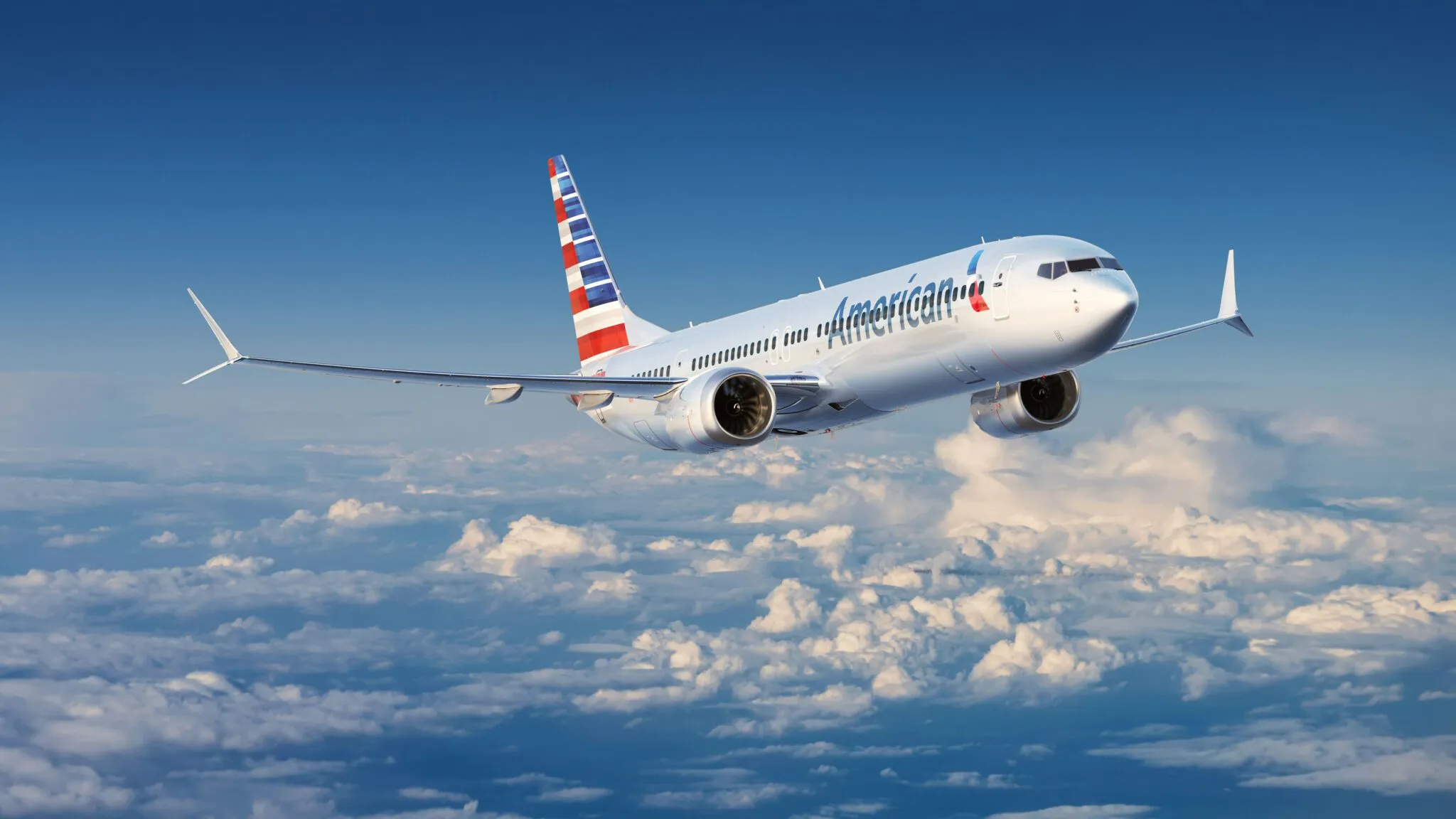
The U.S. government faces questions from the international community over its use of camouflaged military aircraft as commercial aircraft in combat operations. The strategy, deployed off the coast of Venezuela, allowed U.S. forces to carry out surprise attacks against vessels, which experts say violates the laws of armed conflict.
The central episode of the controversy, reported by the US press, occurred on September 2, 2025, when a Pentagon aircraft, without visible military identification, bombed a ship suspected of drug trafficking, resulting in the death of 11 people.
SEE ALSO:
The main legal discussion revolves around the concept of perfidy: the act of deceiving the adversary by simulating a protected condition — in this case, that of a civilian aircraft — to carry out an attack. Under the Geneva Convention and international humanitarian law, the practice is prohibited and constitutes a war crime.
In the reported attack, the aircraft did not display standard military paint and operated with armaments concealed in the fuselage. Structural modifications, such as externally invisible internal compartments, allowed the launch of munitions without the target realizing the imminent threat.
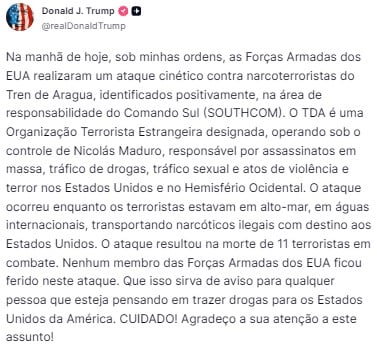
Below, the video published by the President of the United States about the September 2 operation:
The September offensive was not an isolated case. Since then, at least 35 similar attacks have been recorded, totaling 123 deaths. The strategy, justified by the fight against narco-terrorist cartels, has expanded from Venezuela to routes involving Colombia, Mexico and Cuba.
Donald Trump’s administration maintains that the operations are legitimate national security measures against groups linked to the administration of Nicolás Maduro, arguing that traditional rules of war would not apply to actions to combat organized crime.
However, analysts warn of a dangerous side effect: By militarizing the appearance of civilian jets, the U.S. endangers the safety of global commercial aviation by mistakenly making passenger planes potential targets in conflict zones.



