Lawsuit points to coordination between companies such as Shell and Exxon to spread misinformation and block EV charging infrastructure in the US
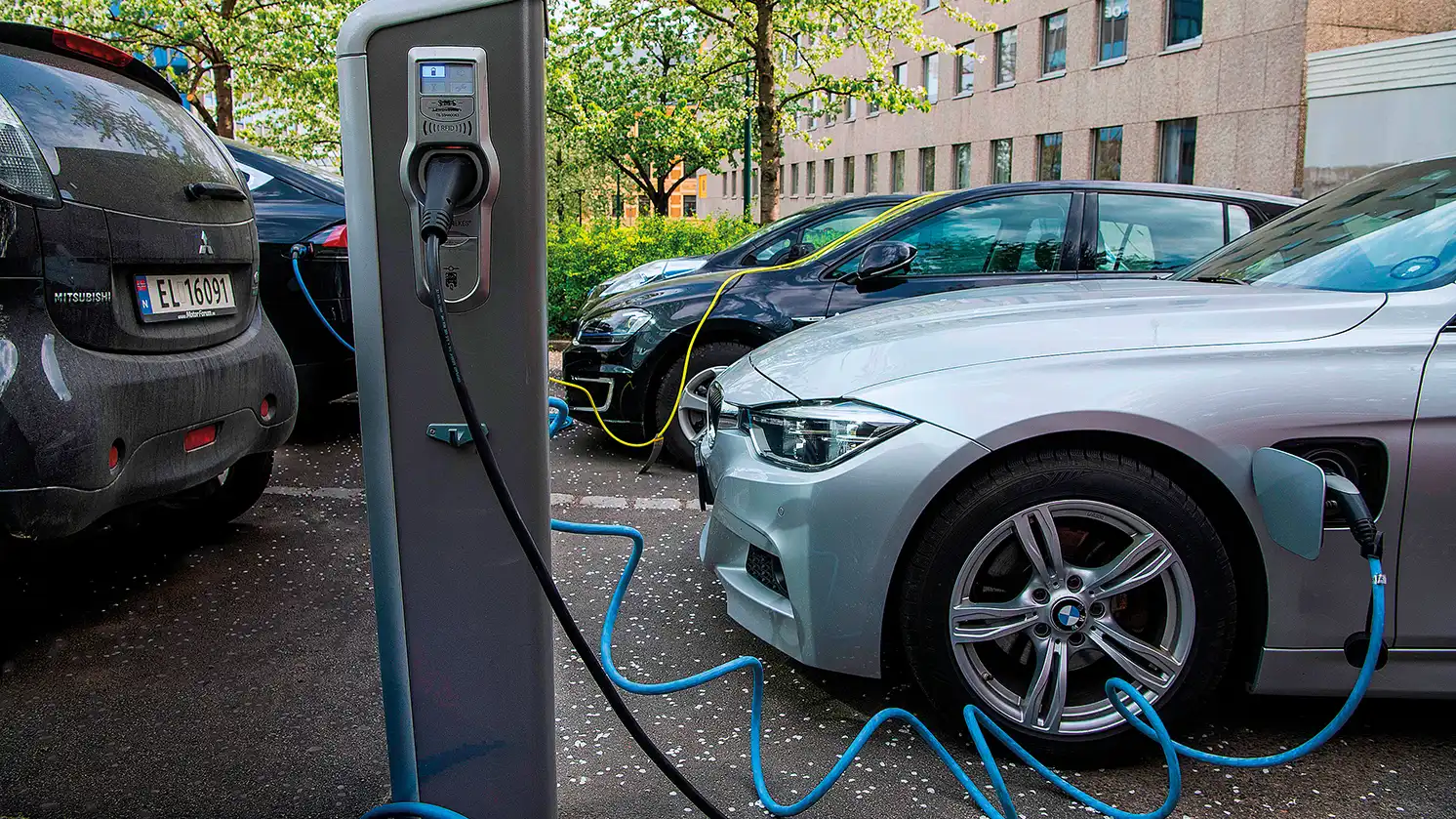
Is there a conspiracy by the oil industries to sabotage the electric car? Michigan Attorney General Dana Nessel believes so. So much so that Nessel has filed a lawsuit against the largest oil companies in the United States, including BP, Chevron, Exxon Mobil and Shell, as well as the American Petroleum Institute (API).
The lawsuit accuses the companies of operating as a cartel to curb the advance of electric vehicles and maintain dependence on fossil fuels, violating state and federal antitrust laws. According to the indictment, the companies acted in a coordinated manner to stifle competition and hinder technological innovation. The objective of the process is to prevent the maintenance of the supposed energy monopoly and ensure that the market offers fair prices and real options to consumers.
SEE ALSO:
The document, with more than 100 pages, details practices that would have slowed down the mass adoption of electric vehicles in recent decades. The lawsuit argues that the oil industry has used its economic power to manipulate the market through three main fronts:
In response, the American Petroleum Institute called the lawsuit baseless, arguing that the nation’s energy policy should be debated in Congress rather than in the courts.
The judicial offensive comes at a time of slowdown for electric vehicles in the US. Automakers such as General Motors, Ford and Stellantis have recently announced the resumption of investments in combustion engines, citing lower-than-expected demand for battery models.
The scenario is aggravated by the policies of the Donald Trump administration, which eliminated tax credits and cut federal subsidies for charging infrastructure. Chevron, one of the defendants, stated that the state of Michigan remains dependent on oil for job and income generation.



