Impasse over safety and homologation standards threatens agreement and may limit the circulation of models such as Ford F-150 and Chevrolet Silverado in the block
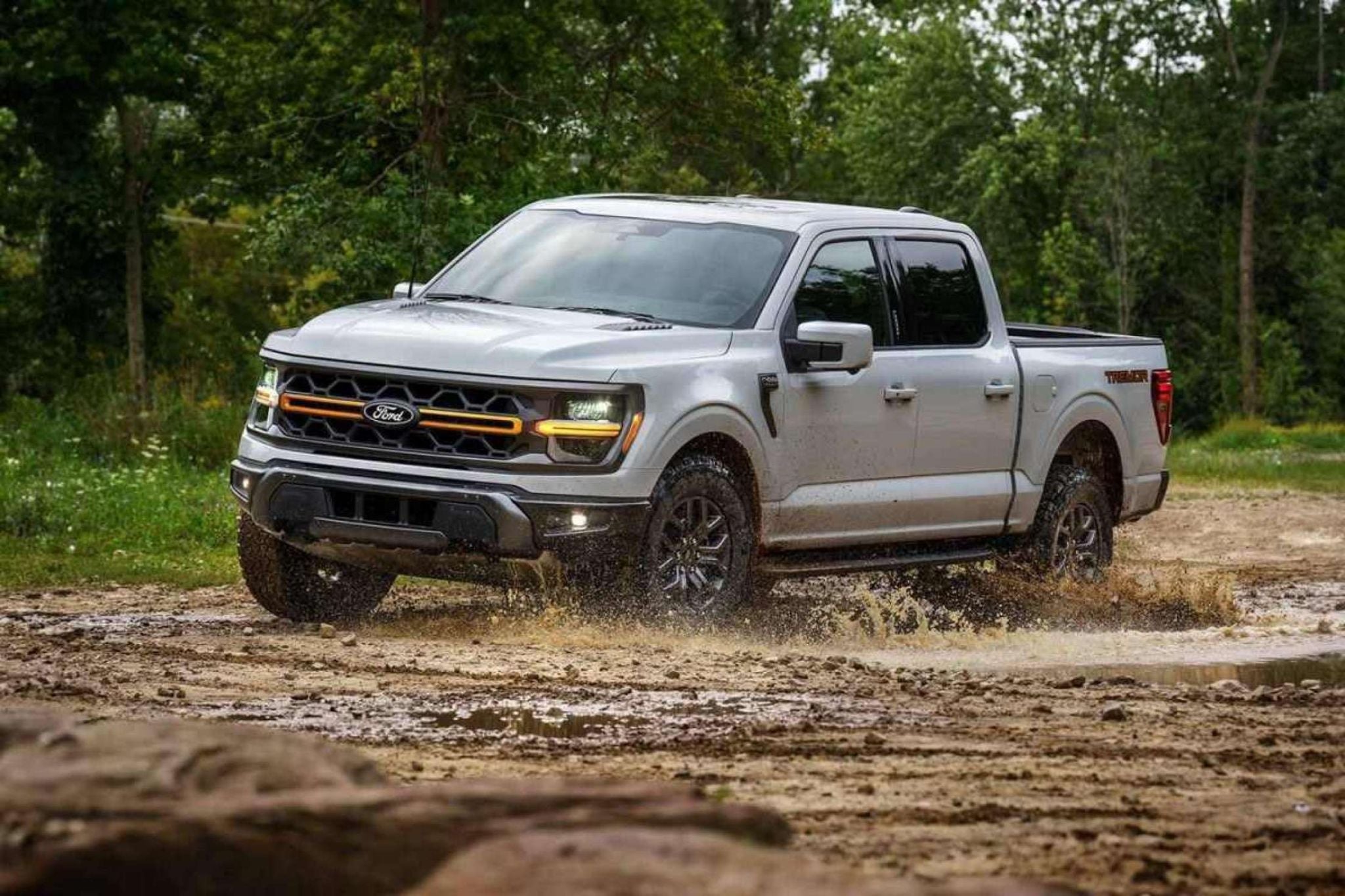
The U.S. auto industry has launched an offensive against the European Union on the accusation that the bloc is creating deliberate technical barriers to prevent the circulation of large pickup trucks on European soil. The impasse focuses on the revision of safety and emissions standards, which could make it impossible to sell emblematic models such as the Ford F-150, the Chevrolet Silverado and the Ram 1500.
In a letter sent to Brussels, the American Automotive Policy Council (AAPC) — an entity that represents General Motors, Ford and Stellantis — states that the proposed changes in the Individual Vehicle Homologation (VAT) process are “discriminatory”. The group argues that the changes specifically target the size of American pickup trucks, making it difficult for them to enter a market that has shown growing interest in these SUVs.
SEE ALSO:
The US ambassador to the European Union, Andrew Puzder, expressed concern to the Financial Times newspaper, signaling that the tightening of the rules could hurt the trade agreement signed between the powers in August 2025. The treaty provides for the mutual recognition of rules to reduce non-tariff barriers – a principle that would be neglected in the new European proposal.
Currently, the individual homologation mechanism is the main way to import vehicles produced outside of Europe’s mass standards. However, organizations such as Transport & Environment argue that giant pickup trucks are “death traps” and incompatible with the continent’s decarbonization goals. Although sales volume is still restricted — about 7,000 units in 2024 — the rapid growth of this niche has alarmed local regulators, who are now seeking to curb the trend with stricter technical requirements.



