Artificial intelligence misinterpretation in Lynk & Co model left vehicle in the dark after driver asked to turn off interior lights
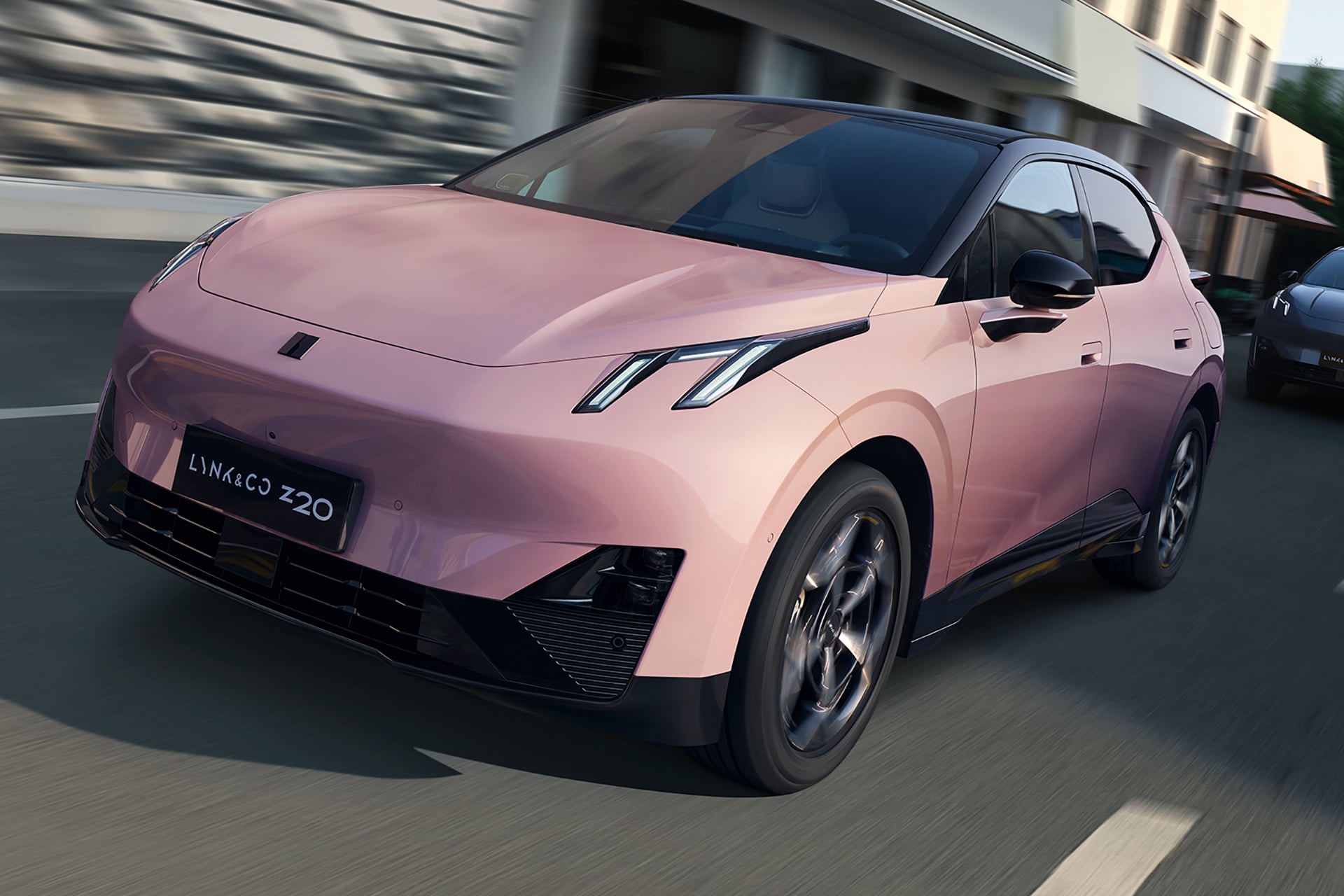
The advancement of artificial intelligence in modern vehicles has reached a dangerous limit in China: a software glitch in the Lynk & Co Z20 allowed the voice assistance system to turn off the exterior headlights while the electric car was moving, resulting in a collision with the median of a highway. The case, recorded by on-board cameras, exposes the risks of integrating voice commands into vital security functions without layers of physical protection.
SEE ALSO:
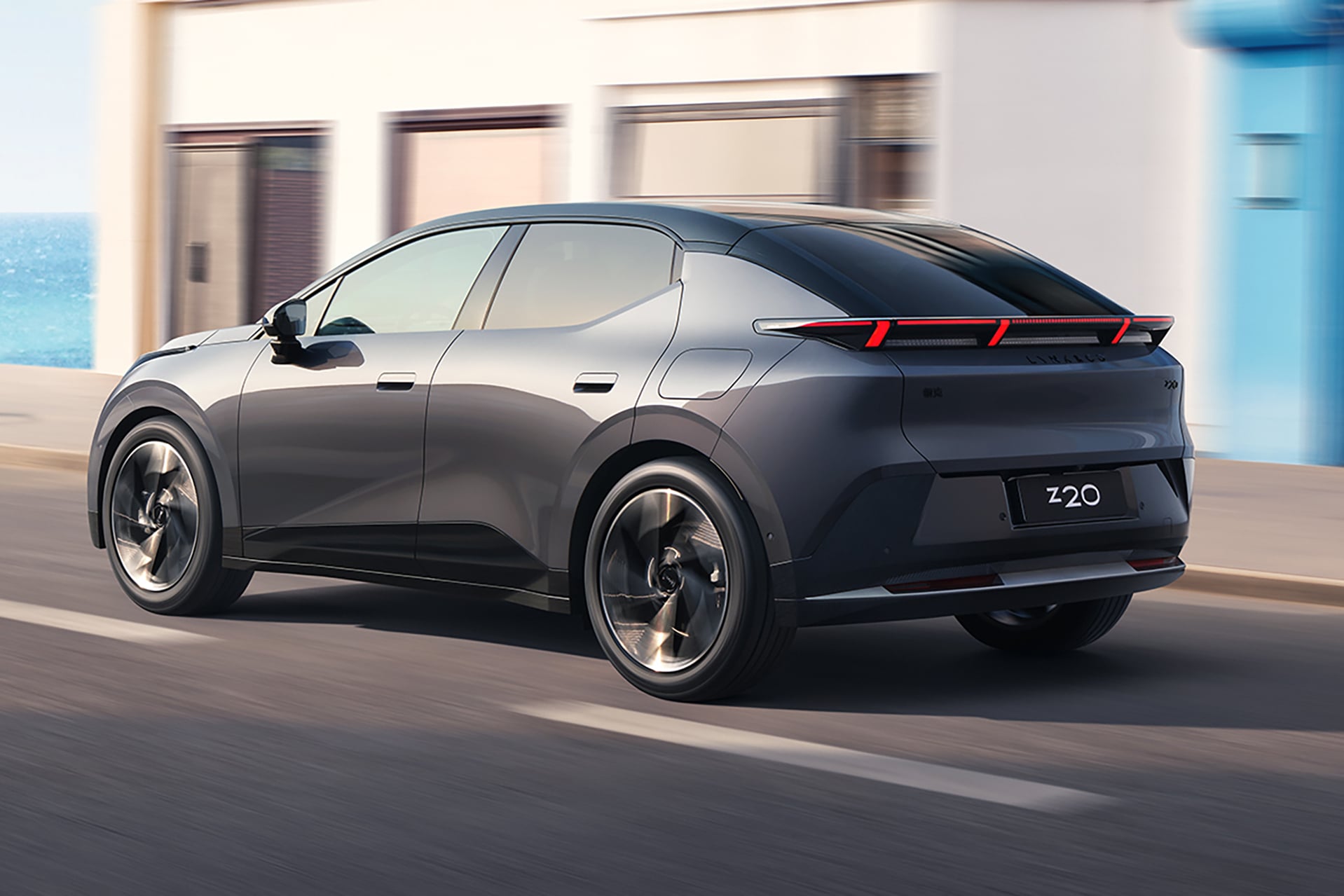
The incident occurred when the driver tried to turn off the internal reading lights using verbal language. However, the artificial intelligence of the vehicle’s voice assistant interpreted the request in a generic way and disabled all external lighting. When immersed in total darkness at high speed, the driver lost the reference of the lane and crashed. In an attempt to reactivate the headlights by voice during the emergency, the system replied that the operation could not be completed at that time.
The response of the automaker, controlled by the Geely group, was immediate after the repercussion of the video on Chinese social networks. The company’s deputy sales manager, Chen Siyuan, confirmed the release of an emergency update via the internet to correct the software’s logic. The new version prevents the headlights from being deactivated by voice command while the vehicle is in a driving gear.
The episode raises a debate about the safety architecture of connected cars. Tests carried out by owners of other brands, such as Zeekr and Deepal, revealed similar vulnerabilities, where voice commands were able to bypass security locks. Experts argue that essential functions such as lighting and brakes should be isolated from software interfaces that are prone to context errors, ensuring that physical control always prevails over intelligent automation.



