Survey points out that protectionist measures on vehicles and parts impact global balance sheets; Toyota projects loss of US$ 9 billion in one year
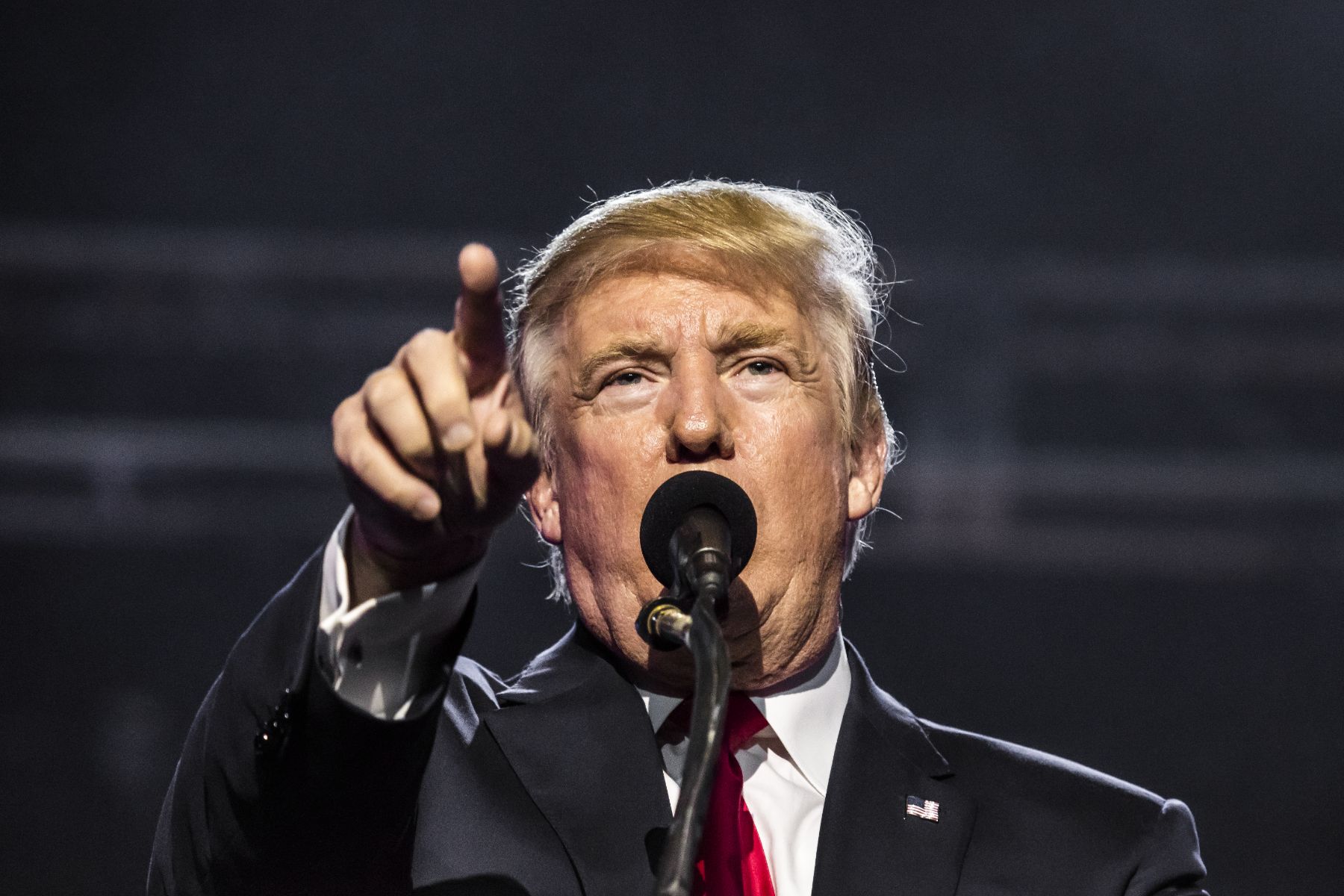
The global automotive industry, structured under cross-border supply chains, faces a scenario of sharp financial pressure following the implementation of the new import tariffs by the United States. A survey by Automotive News indicates that Donald Tru’s protectionist measures have already generated an extra cost of at least US$ 35.4 billion to automakers since the beginning of 2025.
The analysis is based on consolidated financial reports up to mid-March 2026, considering both the losses already recorded and the provisions for the current fiscal year. The impact is more severe for companies that maintain high dependence on external components or that use Mexico and Canada as export platforms for the American market.
SEE ALSO:
Japan’s Toyota leads the loss ranking, with a projection of US$ 9.1 billion in tariff costs for fiscal 2026 alone. In Detroit, the “Big Three” — made up of General Motors, Ford and Stellantis — collectively recorded a negative impact of approximately $6.5 billion in 2025. Other giants, such as Volkswagen, BMW, Honda and Hyundai, also reported costs that exceed the barrier of US$ 1 billion each.
Currently, Washington applies a 15% tax rate on vehicles from the European Union, Japan and South Korea. In addition, there are 25% surcharges for foreign auto parts on cars assembled in neighboring countries and severe taxes inherited or expanded from the previous government, such as 50% on steel and 100% on Chinese electric vehicles.
While the Trump administration argues that the tariffs encourage U.S. reindustrialization, analysts point out that regulatory uncertainty has stalled investment. For automakers, the immediate challenge is to decide how much of this billion-dollar cost will be passed on to the final price of vehicles, at a time of persistent global inflation.



