Contrary to previous rhetoric, president says he will accept Asian rivals if they meet a specific production requirement
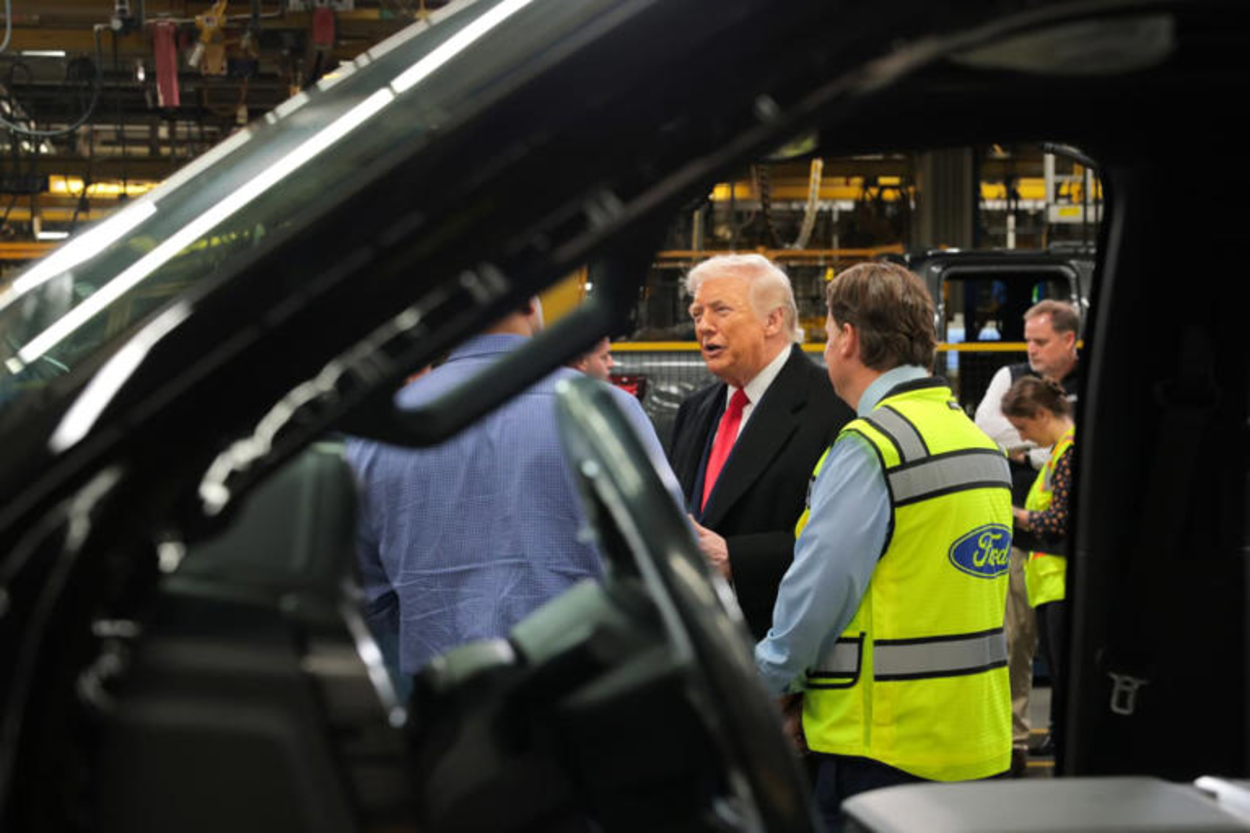
In a speech at the Economic Club of Detroit, US President Donald Trump signaled a pragmatic opening for the Asian auto industry. The Republican said he will allow Chinese automakers to operate in the country, as long as they build factories on American soil and use local labor. “Let China in,” Trump said, conditioning entry on direct job creation.
The declaration tries to balance the trade war waged by his administration with the need for reindustrialization. According to Trump, the heavy tariffs imposed on imported vehicles are not only aimed at blocking foreign products, but forcing companies to move their assembly lines to the United States.
SEE ALSO:
Despite the optimism of the president, who cited recent investments by Detroit’s “Big Three” (GM, Ford and Jeep-Chrysler) as proof of the success of his policy, the sector faces turbulence. Industry executives warn that instability in import duties on steel, aluminum and components has pushed up production costs, pushing up the average price of new vehicles by about $3,000 and making long-term planning difficult.
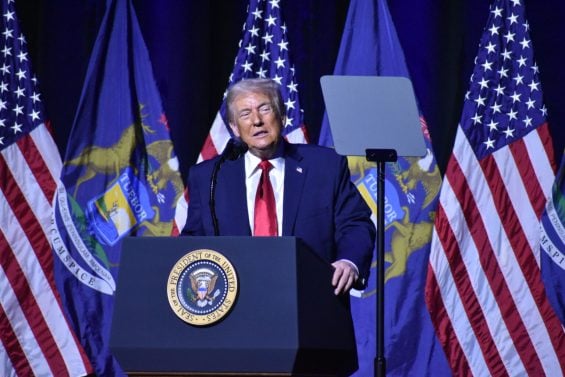
In addition to tariffs, Trump has taken aim at environmental regulations and trade agreements. The government proposes to relax the energy efficiency targets for 2031, reducing the requirement from 21.5 km/l to 14.7 km/l, under the argument of making cars cheaper for the end consumer.
In a more aggressive tone, the president also suggested the possibility of withdrawing the US from the USMCA (trade agreement with Mexico and Canada) if the partners do not collaborate with his vision of concentrating manufacturing domestically. While awaiting a Supreme Court ruling on the legality of his tariffs, Trump assured that he will seek “other authorities” to maintain trade barriers, in case he suffers a judicial setback.



