Transition to the new Toyota RAV4 platform will require production stops and the brand sets up an "improvisation" strategy to hold sales
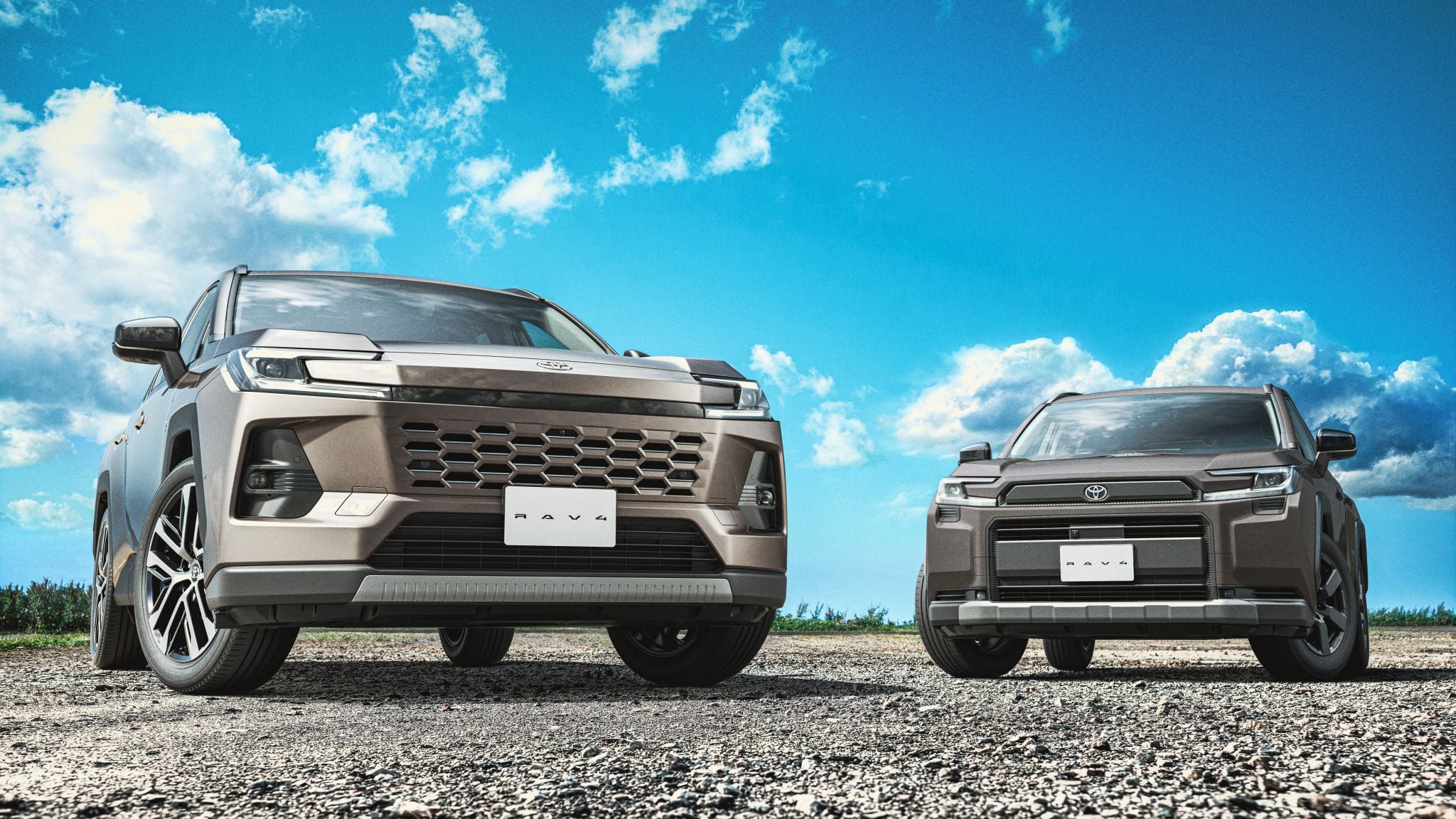
Toyota has issued a strategic warning to its dealership network in the United States: prepare for the shortage of the RAV4 — the brand’s best-selling car worldwide. During an event that brings together dealers in Las Vegas, the automaker reported that the stock of its most popular vehicle will be limited throughout 2026. The reason is the complex industrial transition to the new generation of the SUV, which will require the temporary interruption of assembly lines in three factories.
Dave Christ, vice president of Toyota Motor North America, treated the situation pragmatically, classifying the drop in volume as a common side effect in vital product cycle changes. The guideline for the chain is clear: it will be necessary to “improvise” and redirect the consumer’s focus to other products in the portfolio to make up for the gap left by the brand’s flagship.
SEE ALSO:
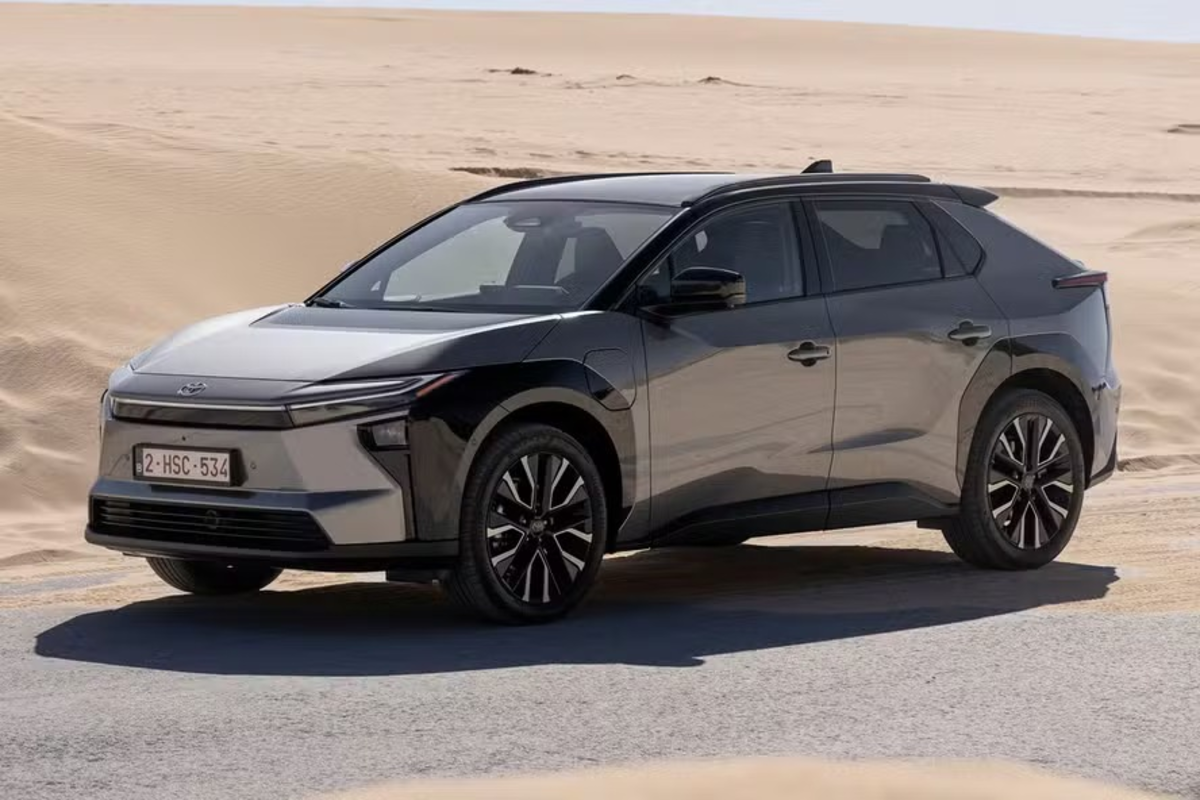
With industry inventories operating at the lowest levels for the second year in a row in the U.S., Toyota’s strategy involves boosting newly launched models or those with good availability. The bet falls on the Crown Signia crossover, the bZ4X electric line and traditional sedans, such as the Camry, to hold the market share while the RAV4 — which leads sales among vehicles that are not pickup trucks — is in short supply.
The economic scenario also imposes caution: the automaker projects a slight retraction of the American market in 2026, pressured by the rise in prices and the 25% tariff on vehicles imported from Canada and Mexico, which continues to impact the operation. Still, Toyota remains optimistic: after growing 8.1% in 2024 and selling 2.15 million units, the goal is to end the year with a performance above 2025.
To mitigate the impact on the consumer’s pocket and maintain sales volume, Christ reinforced that “accessibility” will be the pillar of the company. The plan includes the maintenance of entry-level versions and a vigorous defense of the sedan segment, which offer more competitive prices compared to medium SUVs.



