Version that cost R$ 400 thousand leaves the catalog after stocks run out; model is still available only in the conventional hybrid configuration
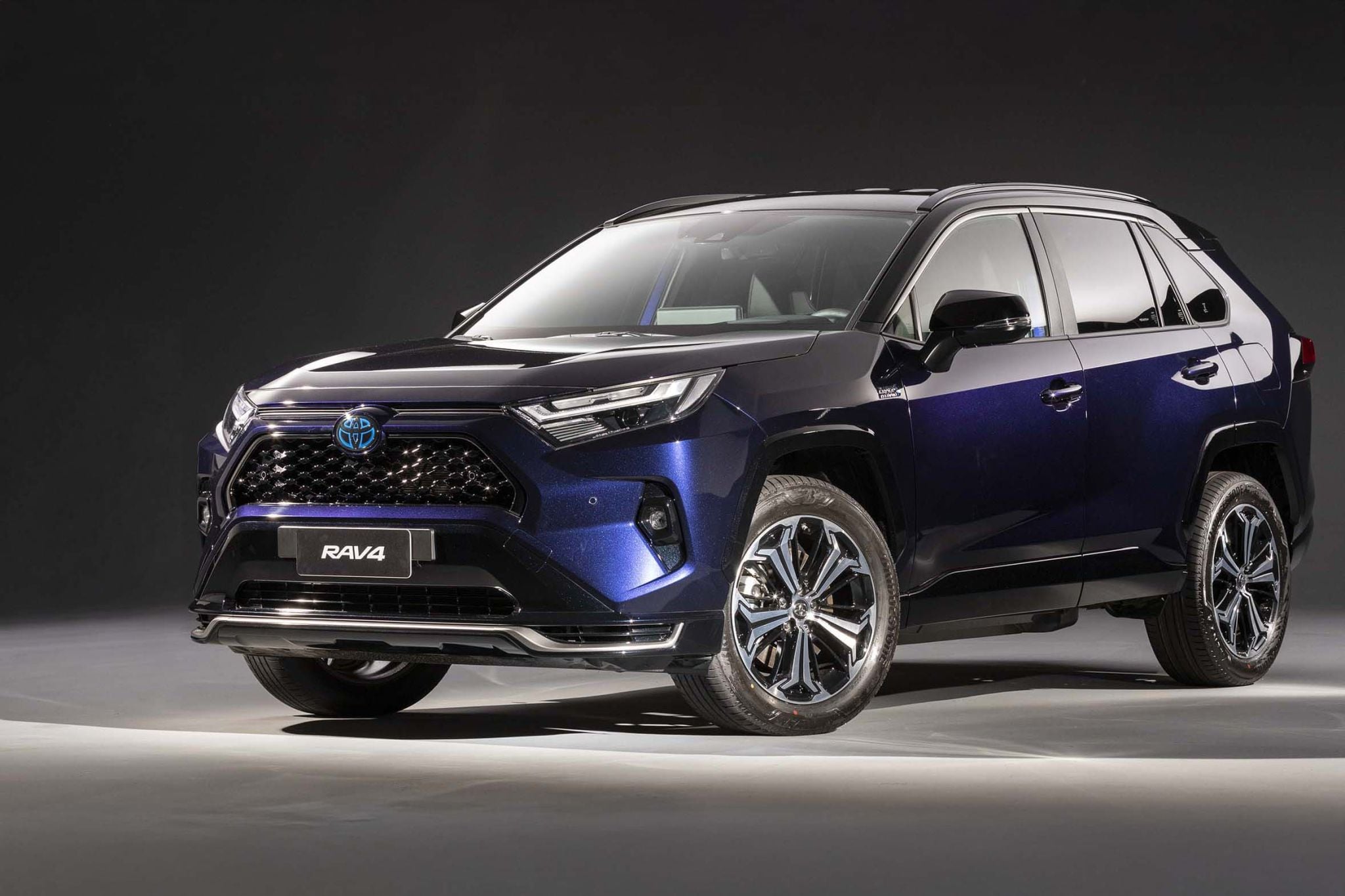
Toyota has ended sales of the RAV4 plug-in hybrid (PHEV) in the Brazilian market. The configuration, which allowed external recharging of the batteries, was removed from the official website and the automaker’s price lists, which confirmed the depletion of stocks and the discontinuation of the model in the country.
The decision restricts the offer of the medium SUV to the conventional hybrid version (HEV). Launched in April 2024, the plug-in model was short-lived in national dealerships, remaining in line for less than two years.
The RAV4 PHEV tried to justify its higher price with a more robust mechanical set: it combined a 2.5-liter gasoline engine with two electric powertrains, delivering 306 hp of combined power and all-wheel drive. Its 18.1 kWh battery promised an electric range of 55 km.
However, the model faced a paradox of efficiency. Data from Inmetro pointed out that, in hybrid mode, the plug-in version recorded worse consumption than the conventional option, costing significantly more. The PHEV did 14 km/l in the city and 12.9 km/l on the highway, while the cheaper HEV model reaches 15.6 km/l and 14.2 km/l, respectively.
SEE ALSO:
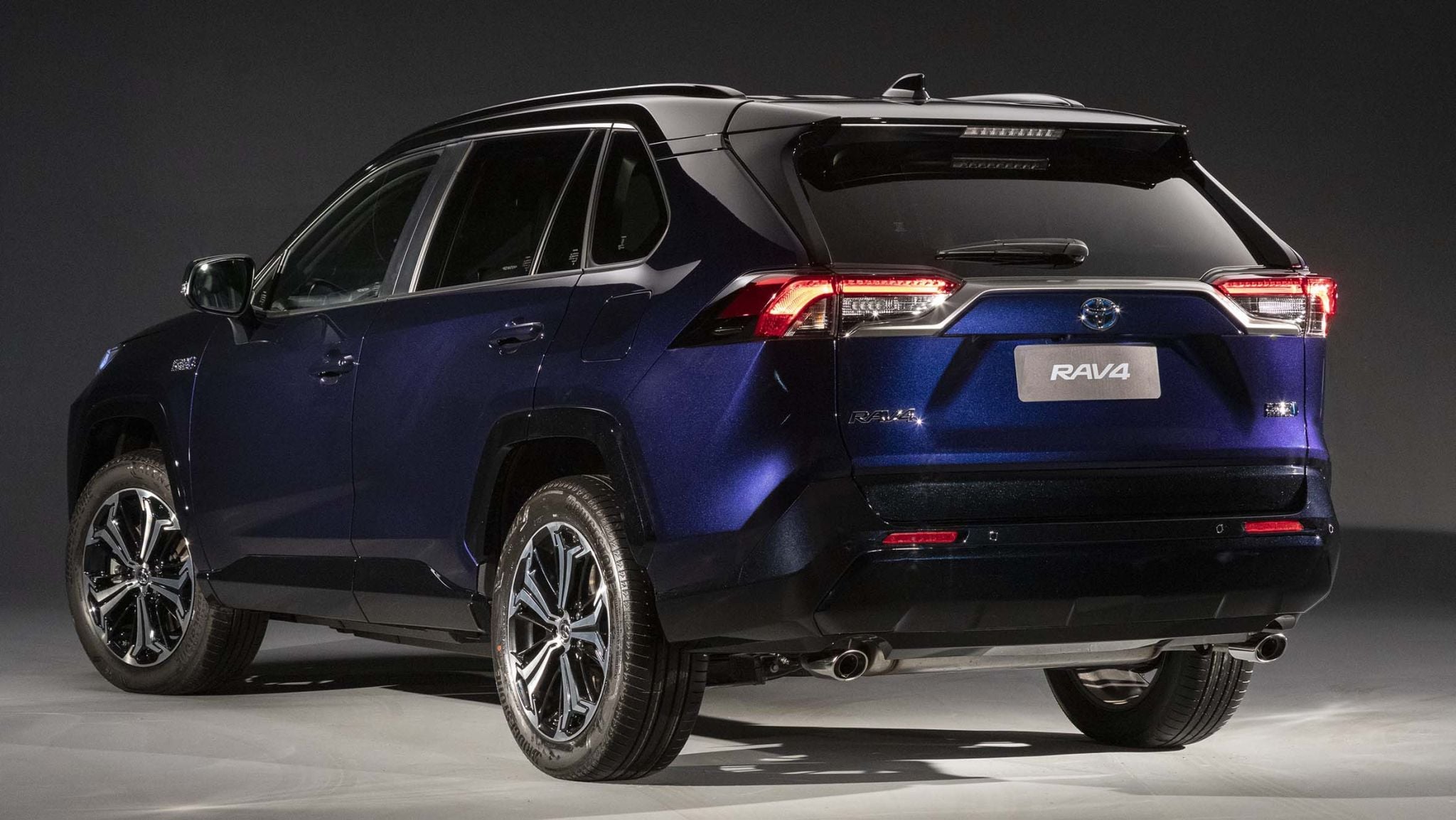
In the commercial aspect, the SUV debuted priced at R$ 399.990 and left the scene costing R$ 402.420 in the XSE version. Now, consumers interested in the RAV4 have the SX Connect Hybrid version as their only option. Sold for R$ 349.290, it delivers 222 hp, maintaining the efficiency proposal without the complexity of the plug-in system.
With the departure of the RAV4 PHEV, plug-in hybrid technology within the Toyota group becomes exclusive to the Lexus luxury division. The alternatives now are the NX 450h+, which starts at R$ 480.990, and the RX 450h+, with a starting price of R$ 609.990.
The movement in Brazil may reflect a global transition. On the outside, the RAV4 already has a new generation, which has grown slightly in dimensions and trunk (now with 749 liters). The renewal of the international fleet suggests that the withdrawal of the current version in the domestic market anticipates a future update of the brand’s portfolio.



