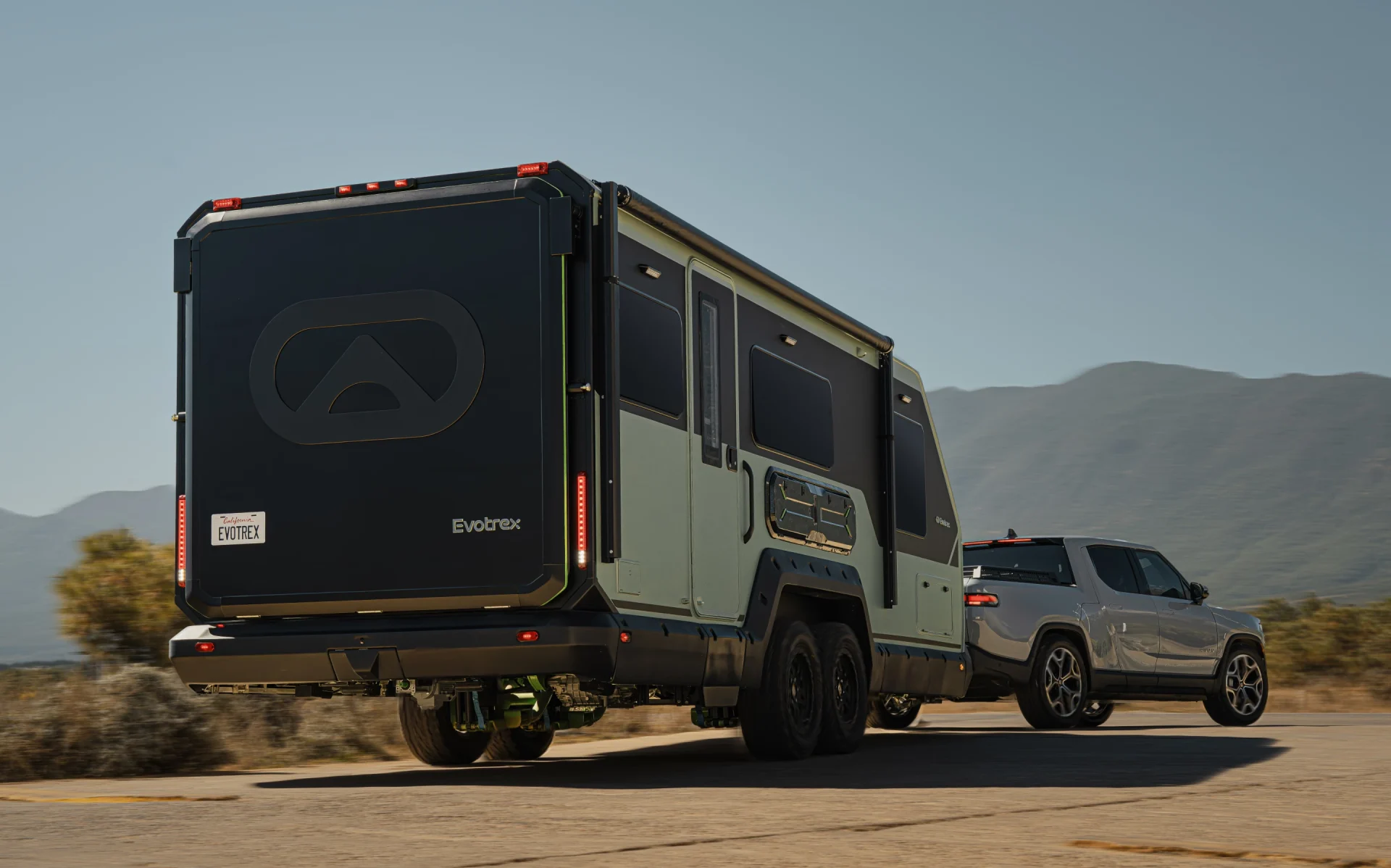
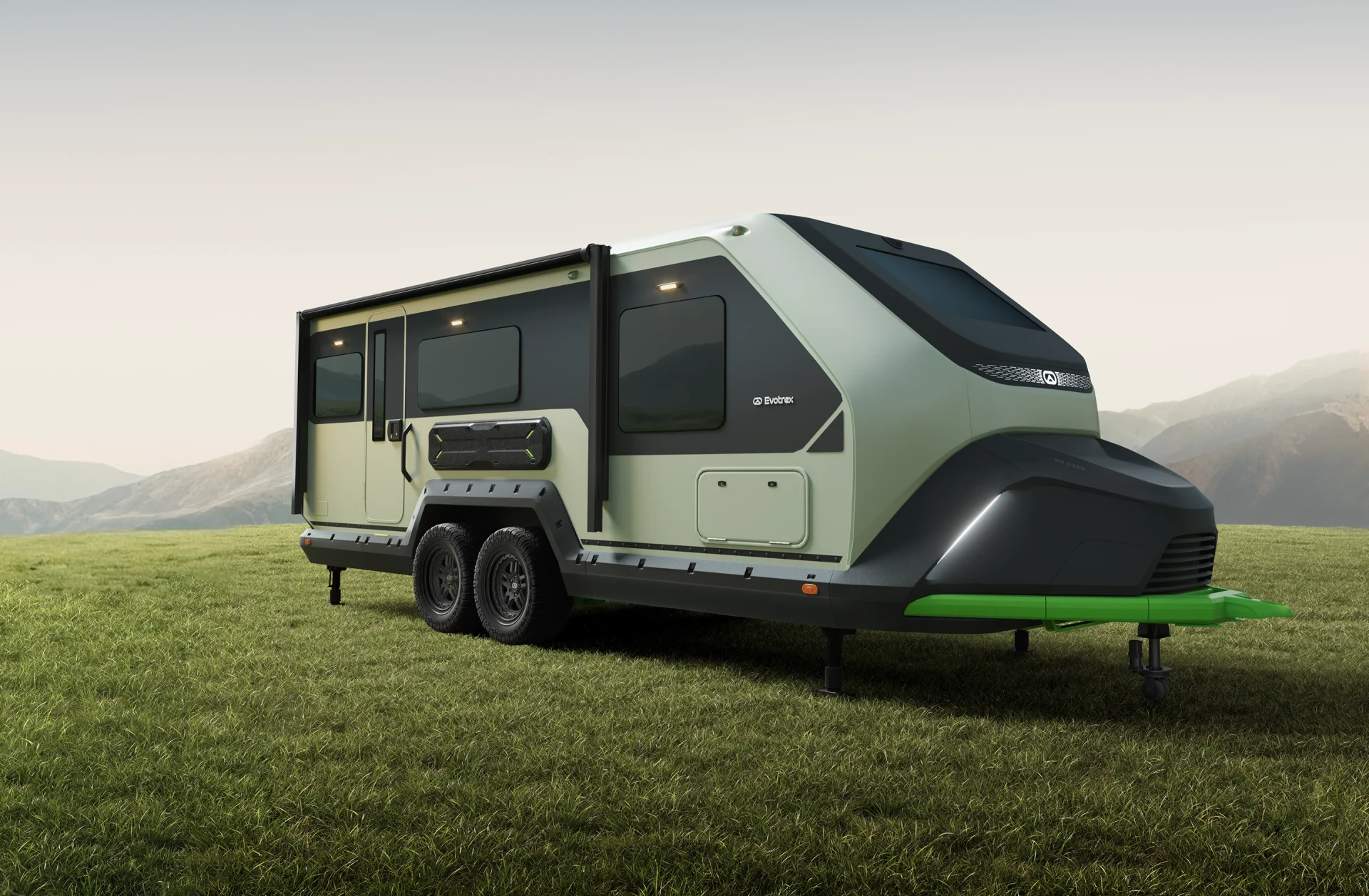
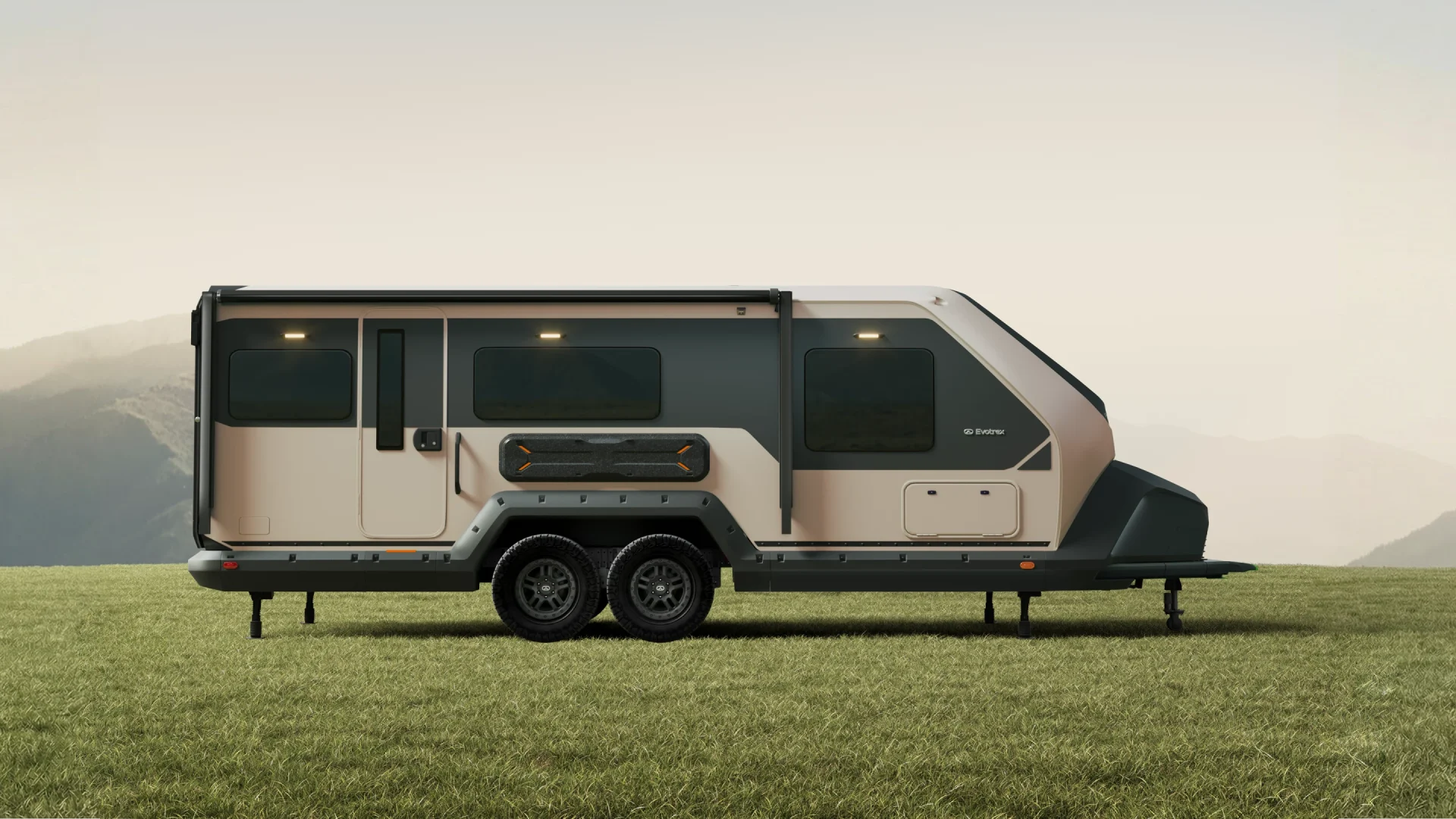
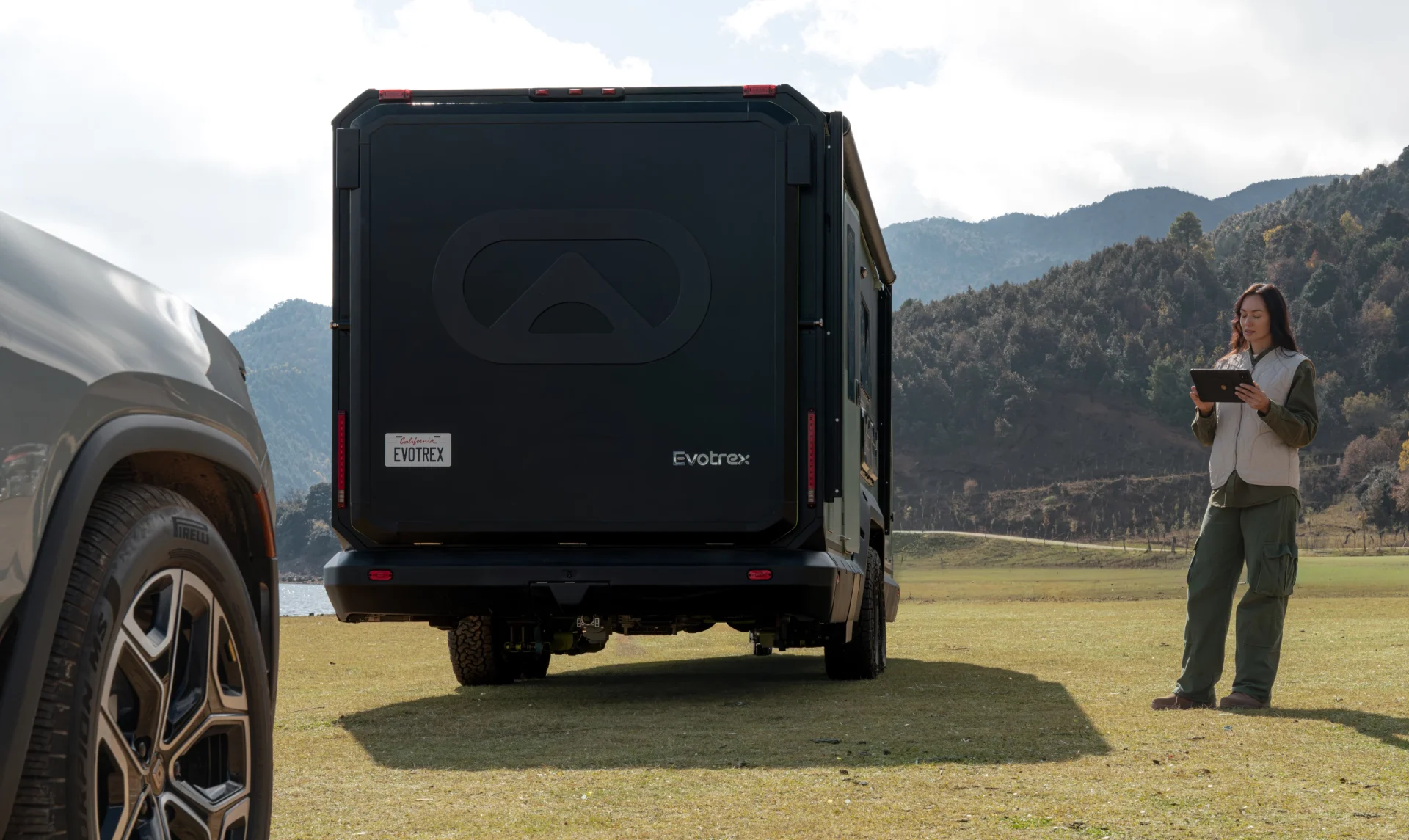
Evotrex PG5 combines 43 kWh battery and gasoline generator to power engine on the shaft and function as a mobile power plant
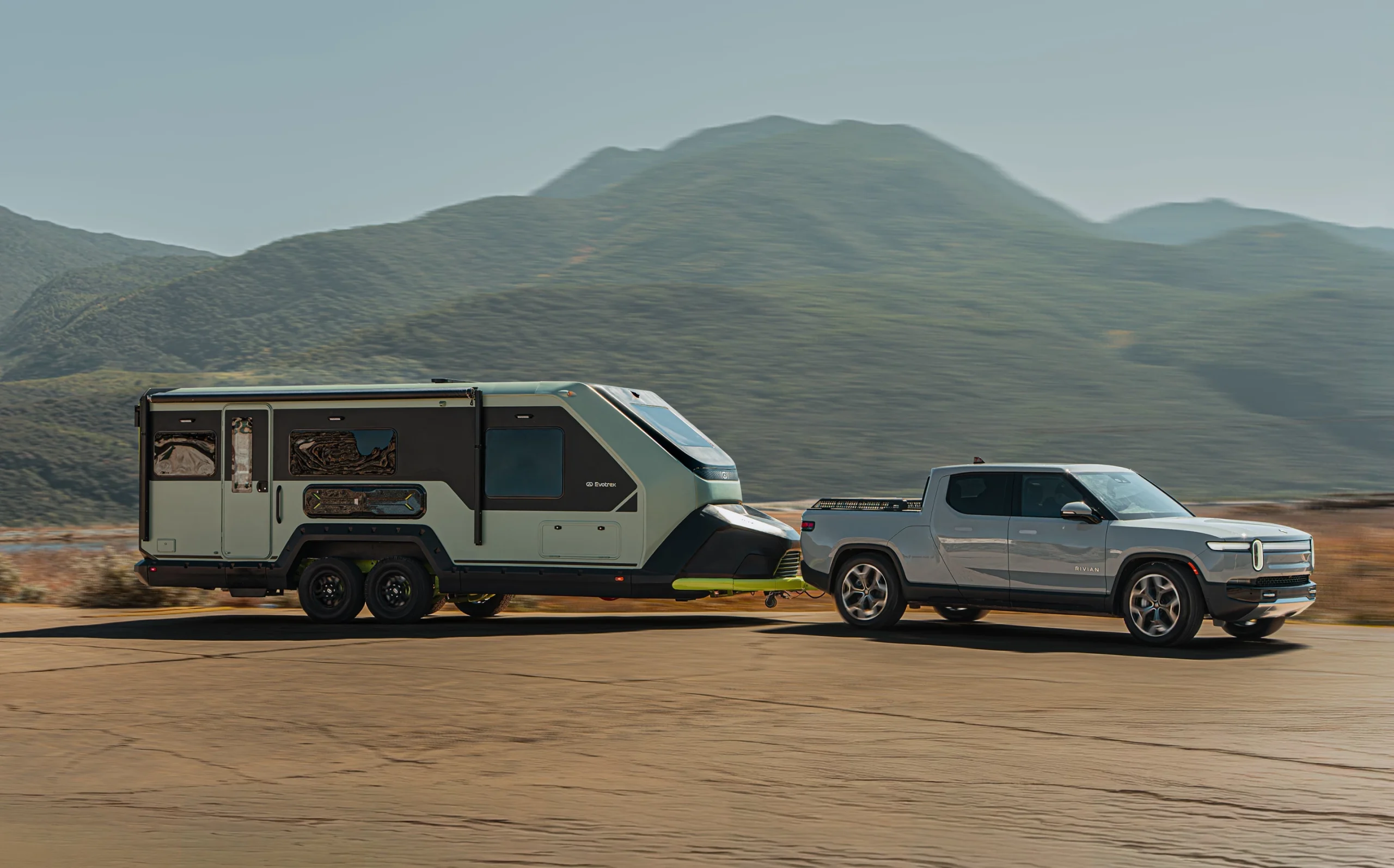
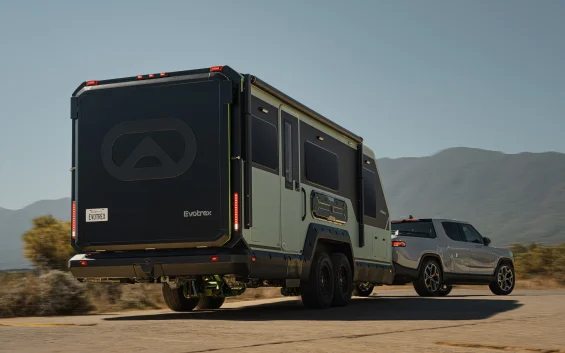
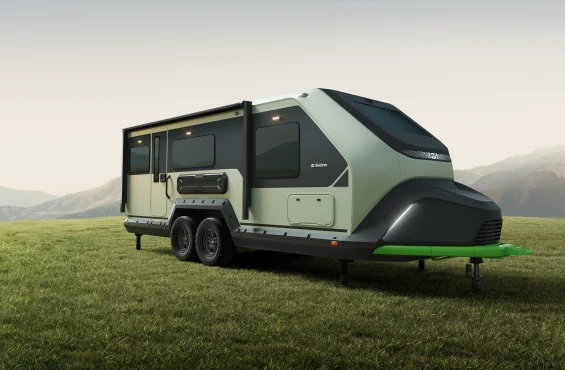
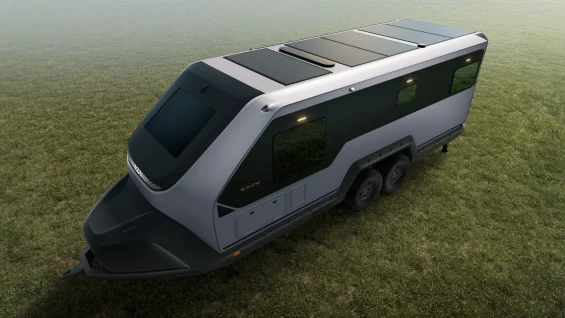
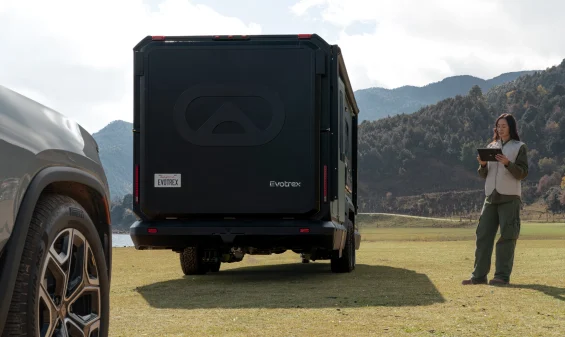
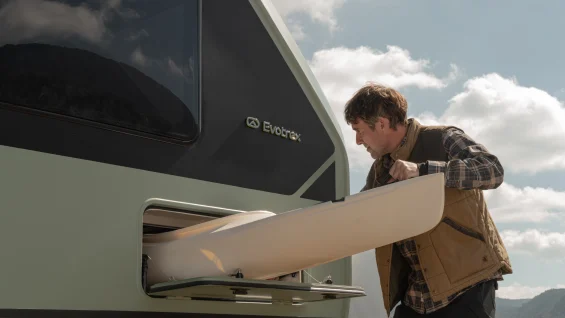
The Chinese-American startup Evotrex presented to the North American market the PG5, a plug-in hybrid camping trailer (PHEV) that promises to solve the biggest dilemma of those traveling with a trailer: the drastic increase in fuel or energy consumption. Developed with operations in Los Angeles, the model differentiates itself by having its own traction, combining batteries and a gasoline generator integrated into the chassis.
The core technology of the PG5 is the electric propulsion system on the rear axle. Powered by a 43 kWh battery, the motor acts to “push” the trailer, reducing the perceived weight on the hitch to almost zero. According to the manufacturer, this preserves the autonomy of the towing vehicle, whether electric or combustion.
SEE ALSO:
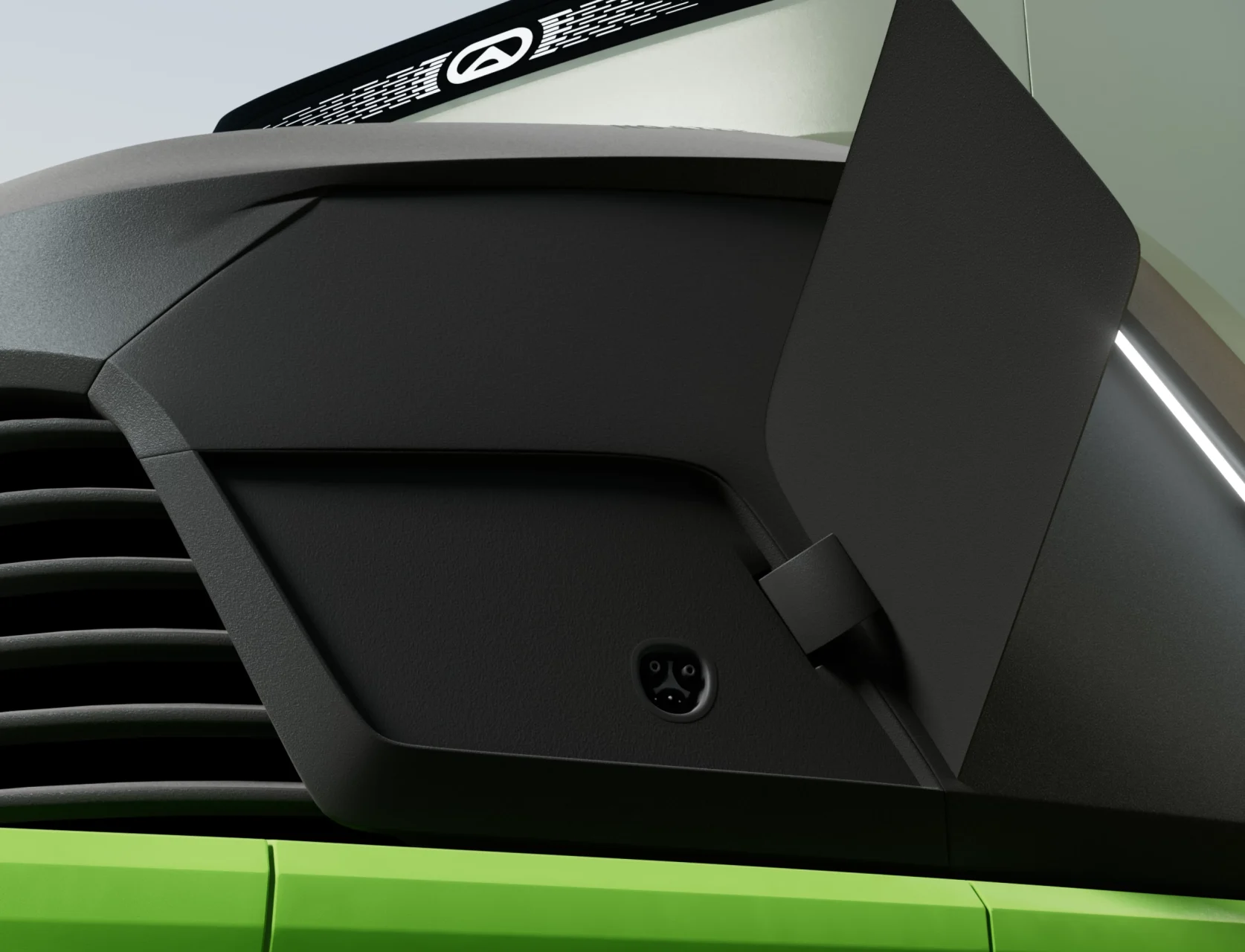
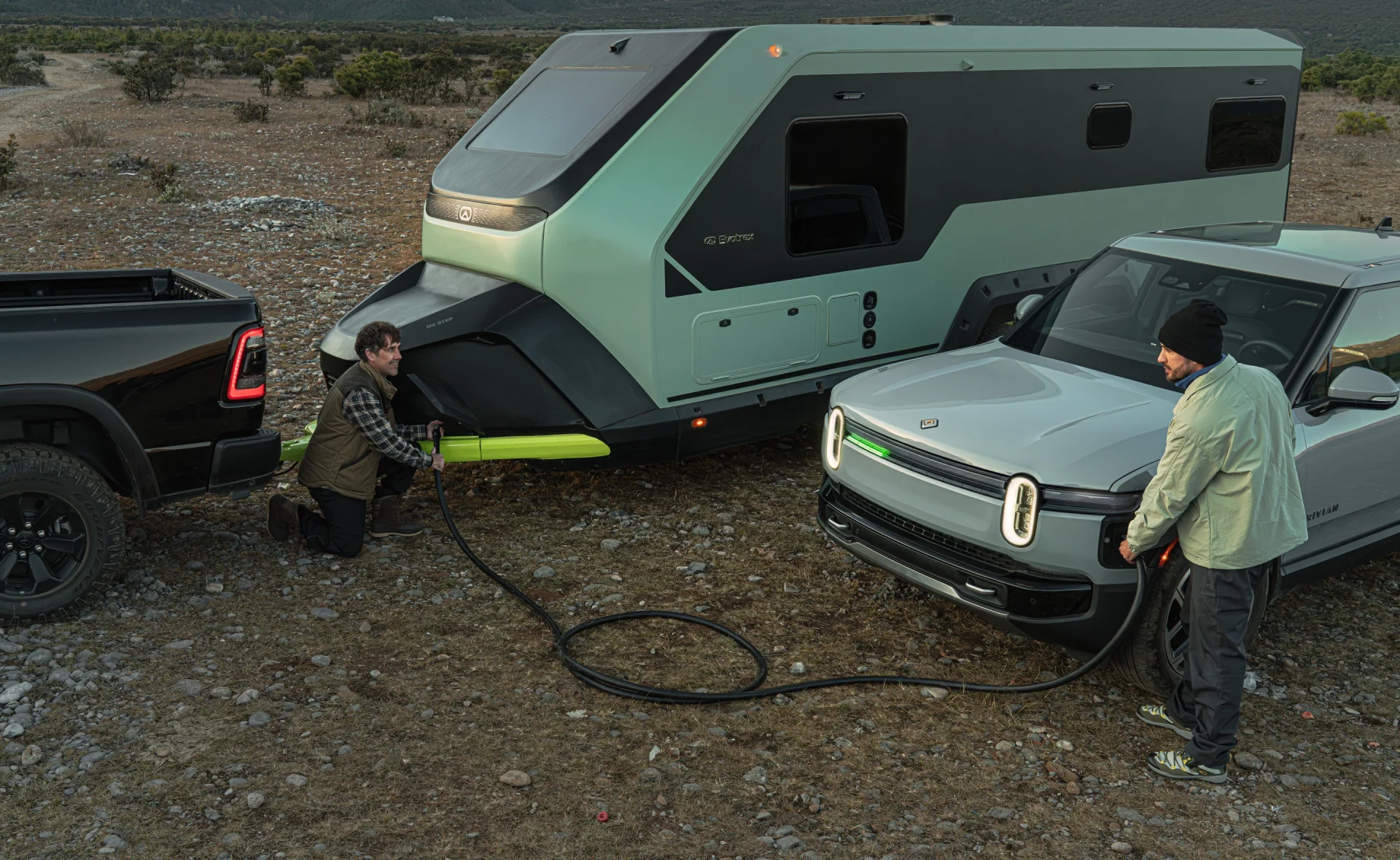
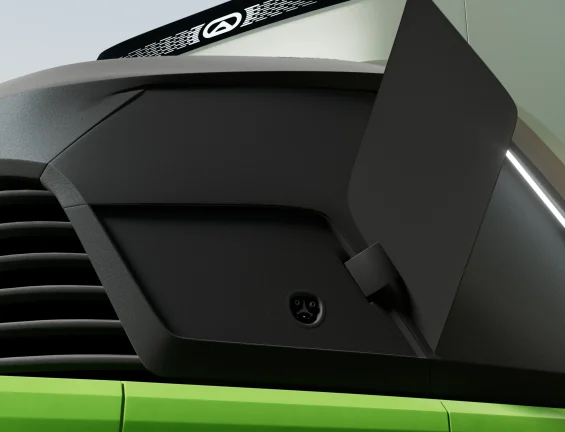
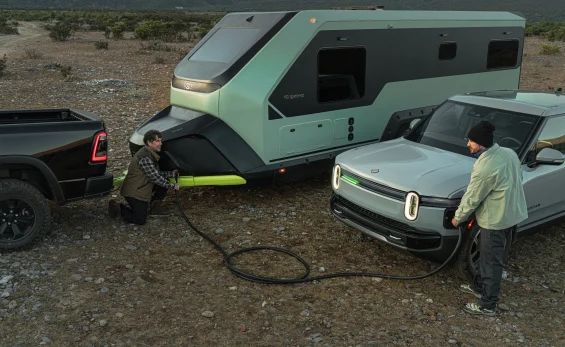
To ensure that the power does not run out, the trailer uses an integrated gasoline generator, called Horizon, which automatically recharges the batteries. The system is robust enough to allow bidirectional charging: when parked, the PG5 functions as a 60 kW fast charging (DC) station for electric vehicles or can supply power to a home (V2L).
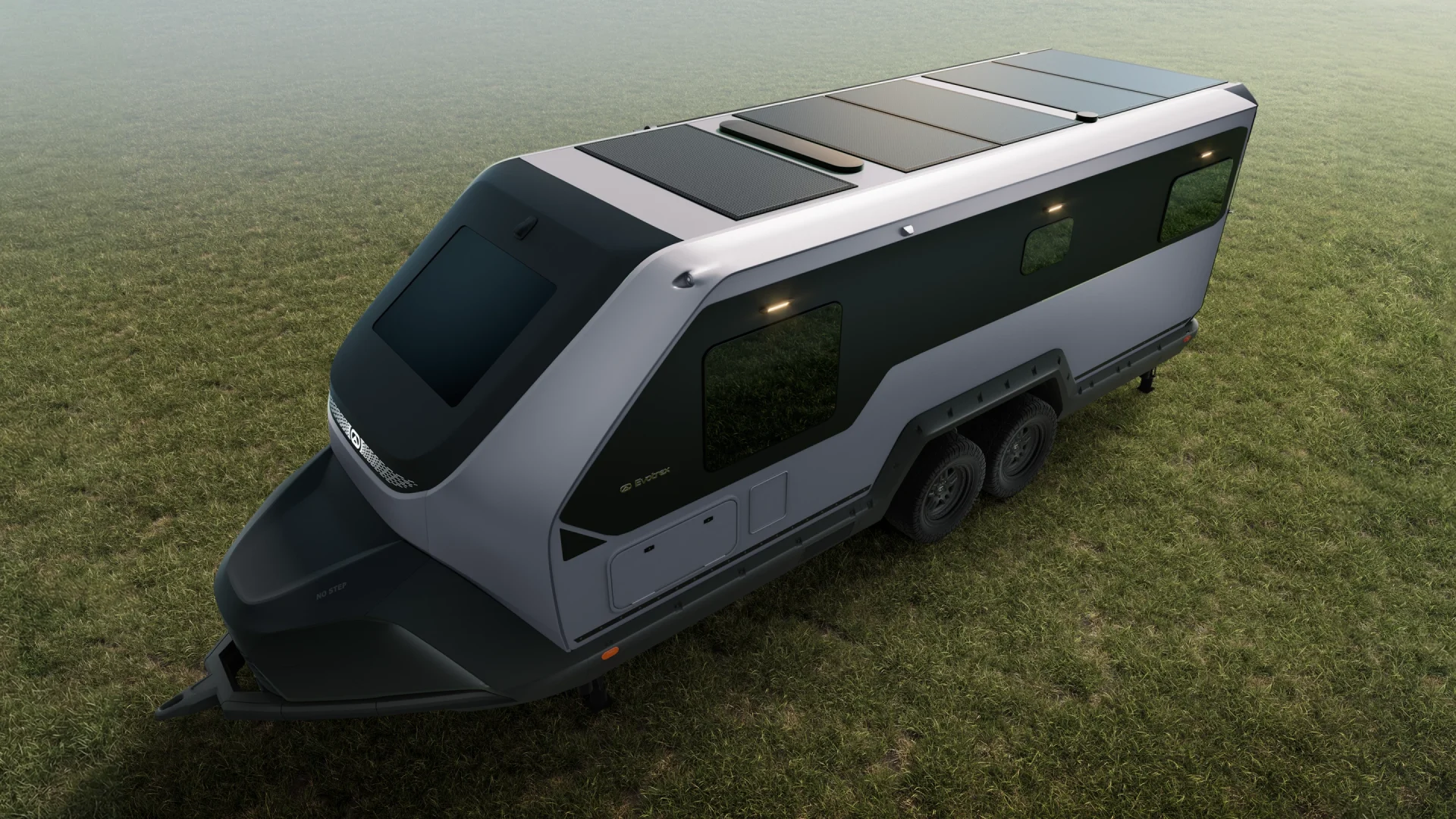
Energy autonomy is the project’s great asset. Adding the battery, the generator tank and the 1.5 kW solar panels on the roof (optional), the set delivers up to 270 kWh of energy. Evotrex estimates that this allows up to a week of operation totally disconnected from the power grid, keeping the air conditioning and appliances running.
Another outstanding technological feature is maneuverability. Decoupled from the car, the trailer can be parked remotely via mobile app, making it easy to position in tight campsites.
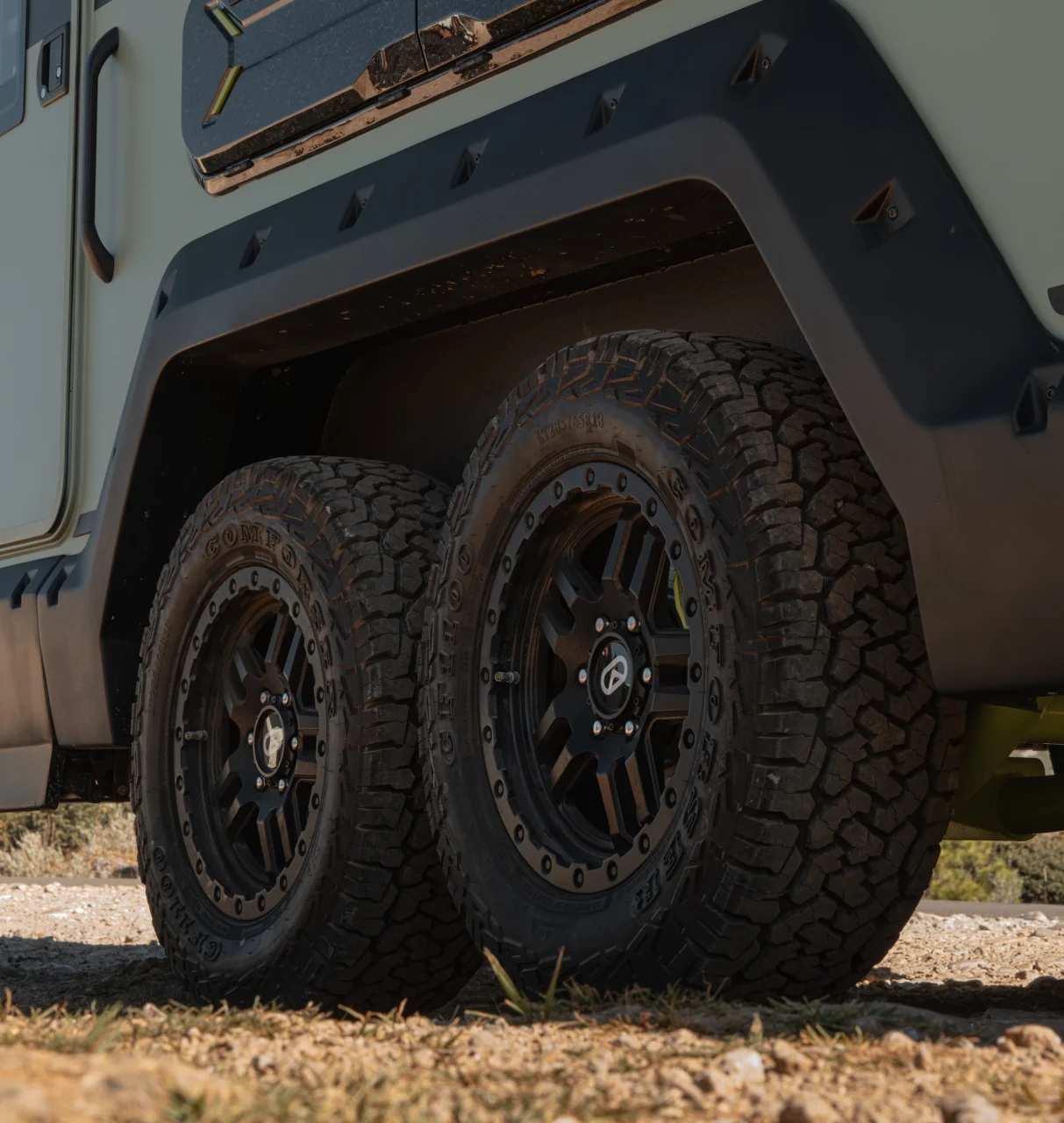
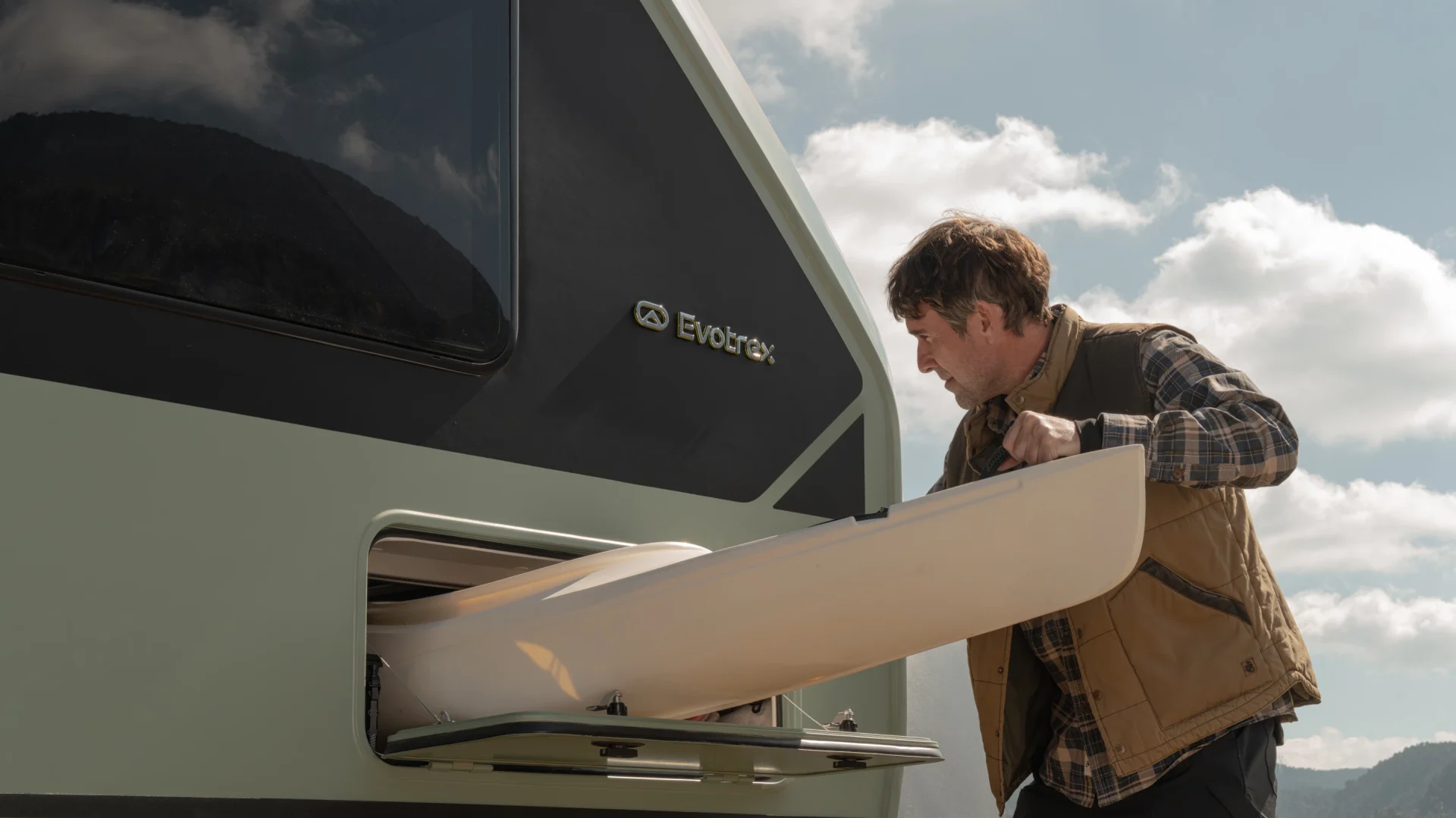
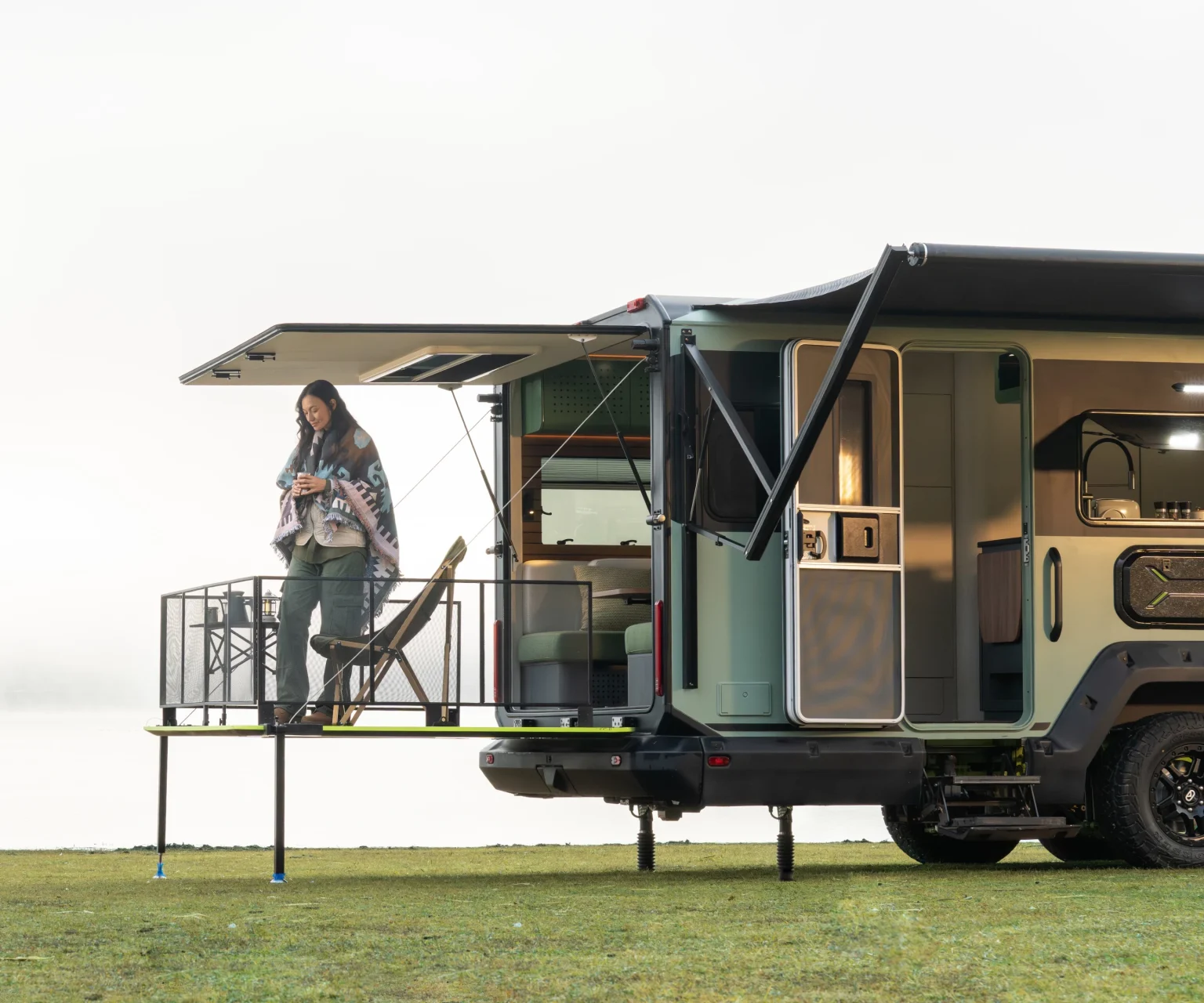
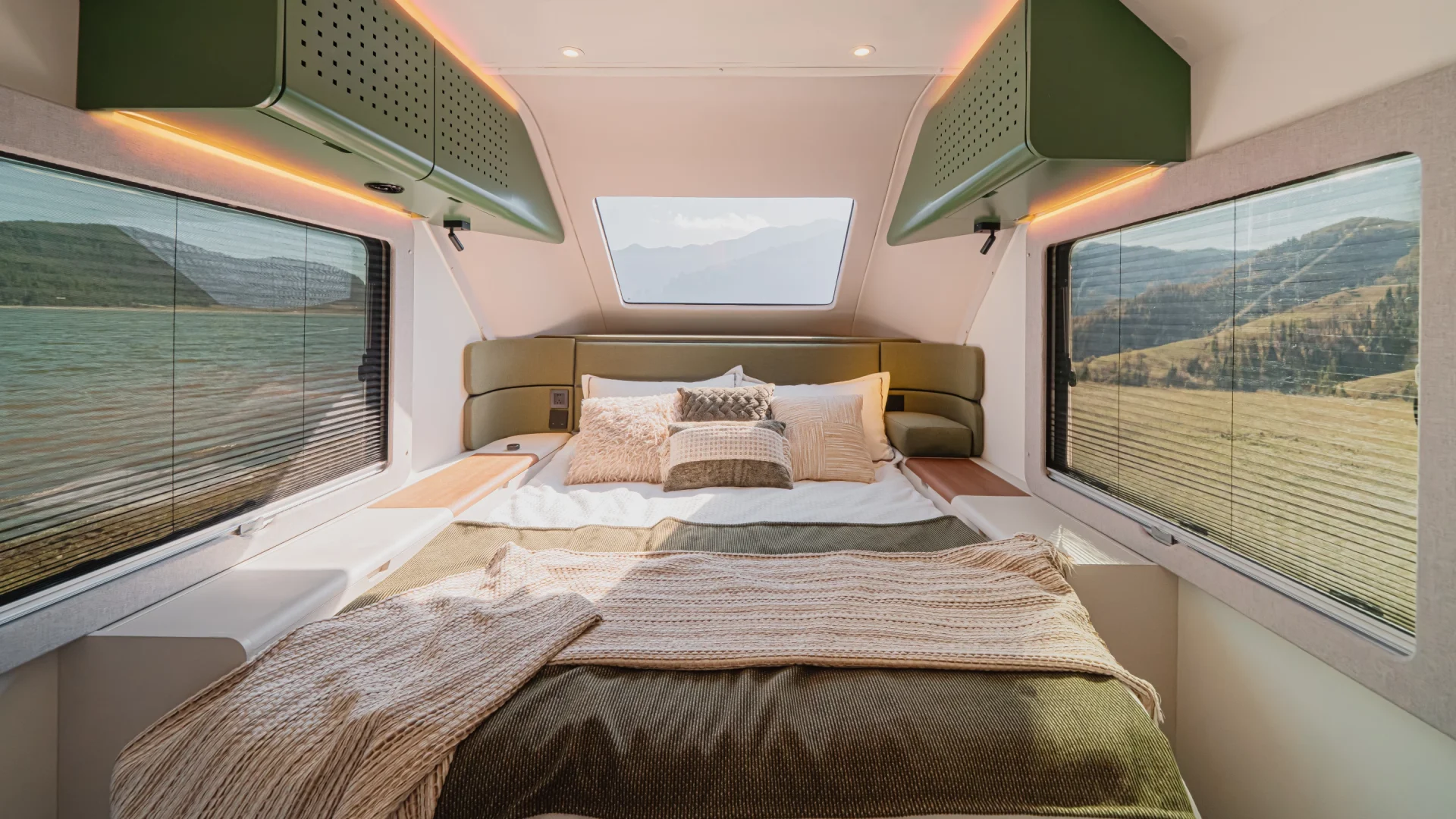
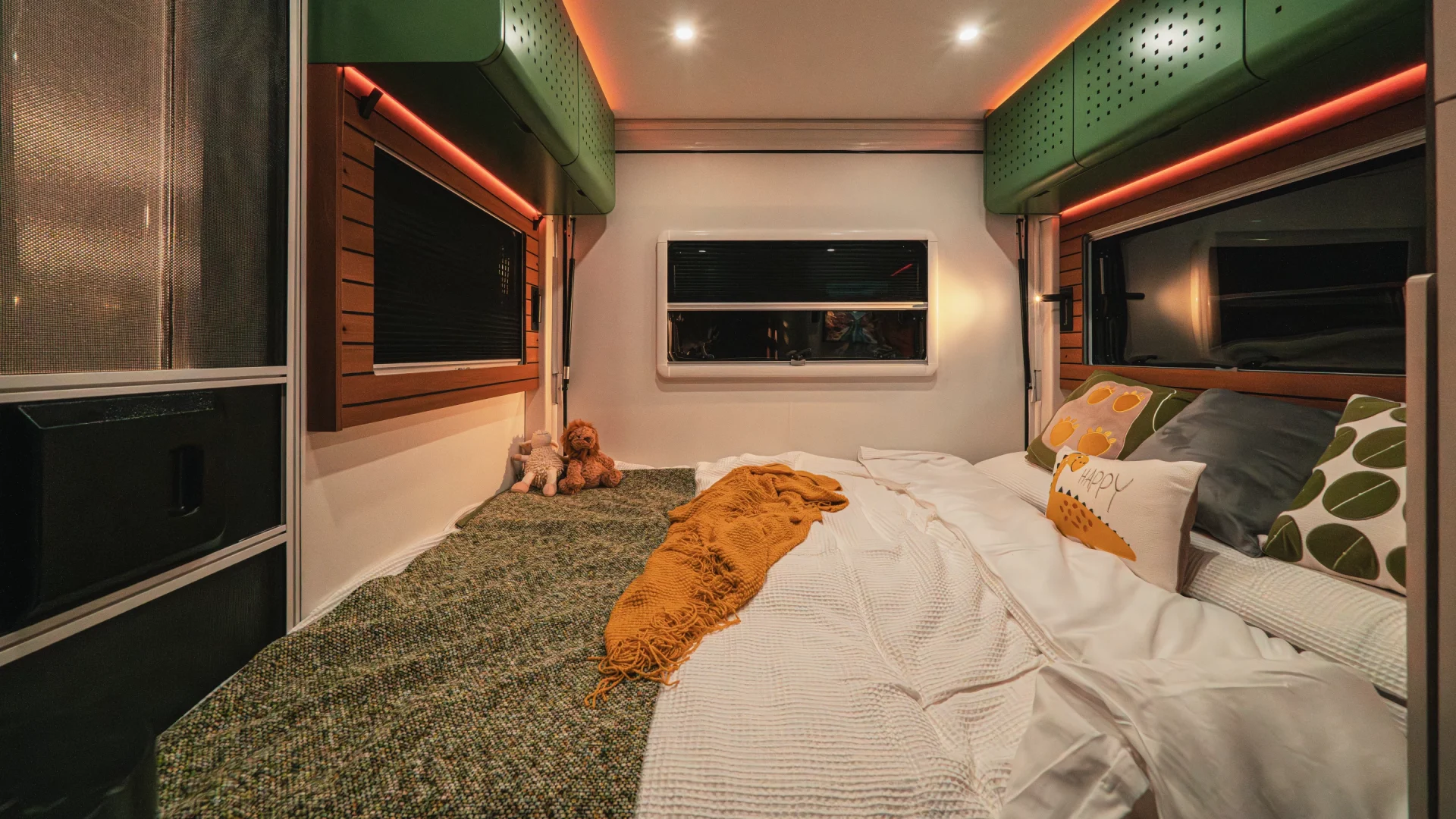
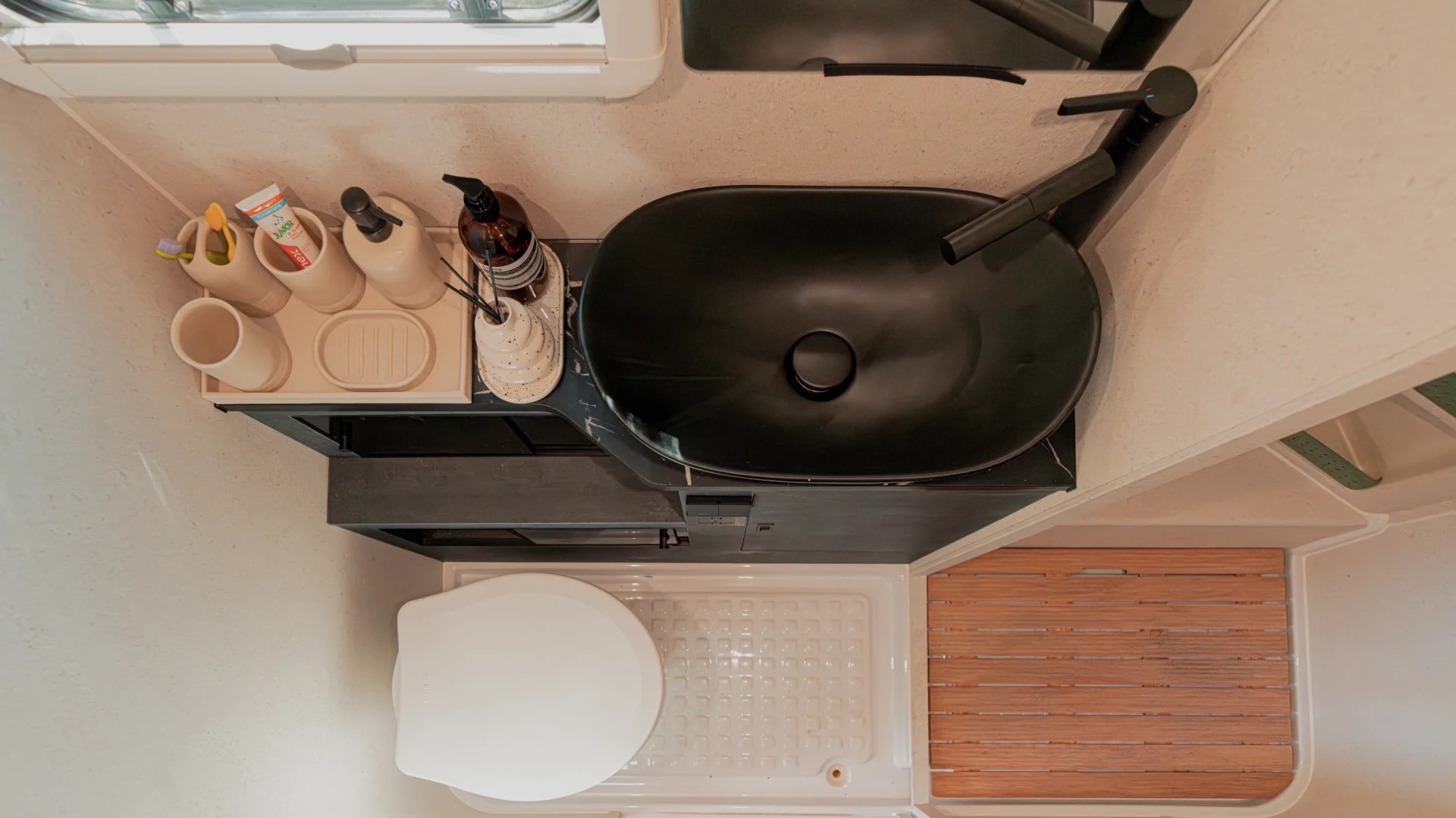
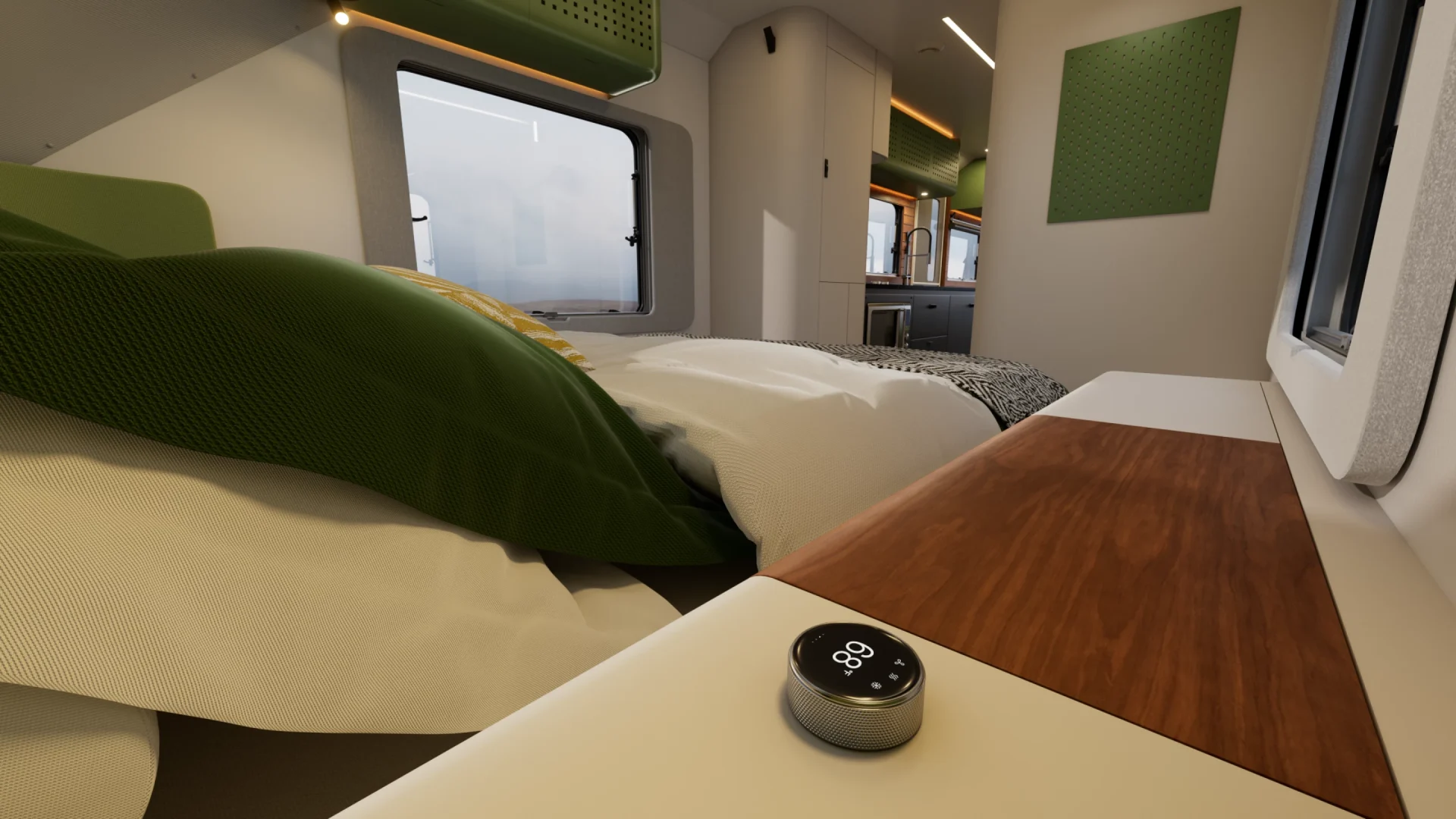
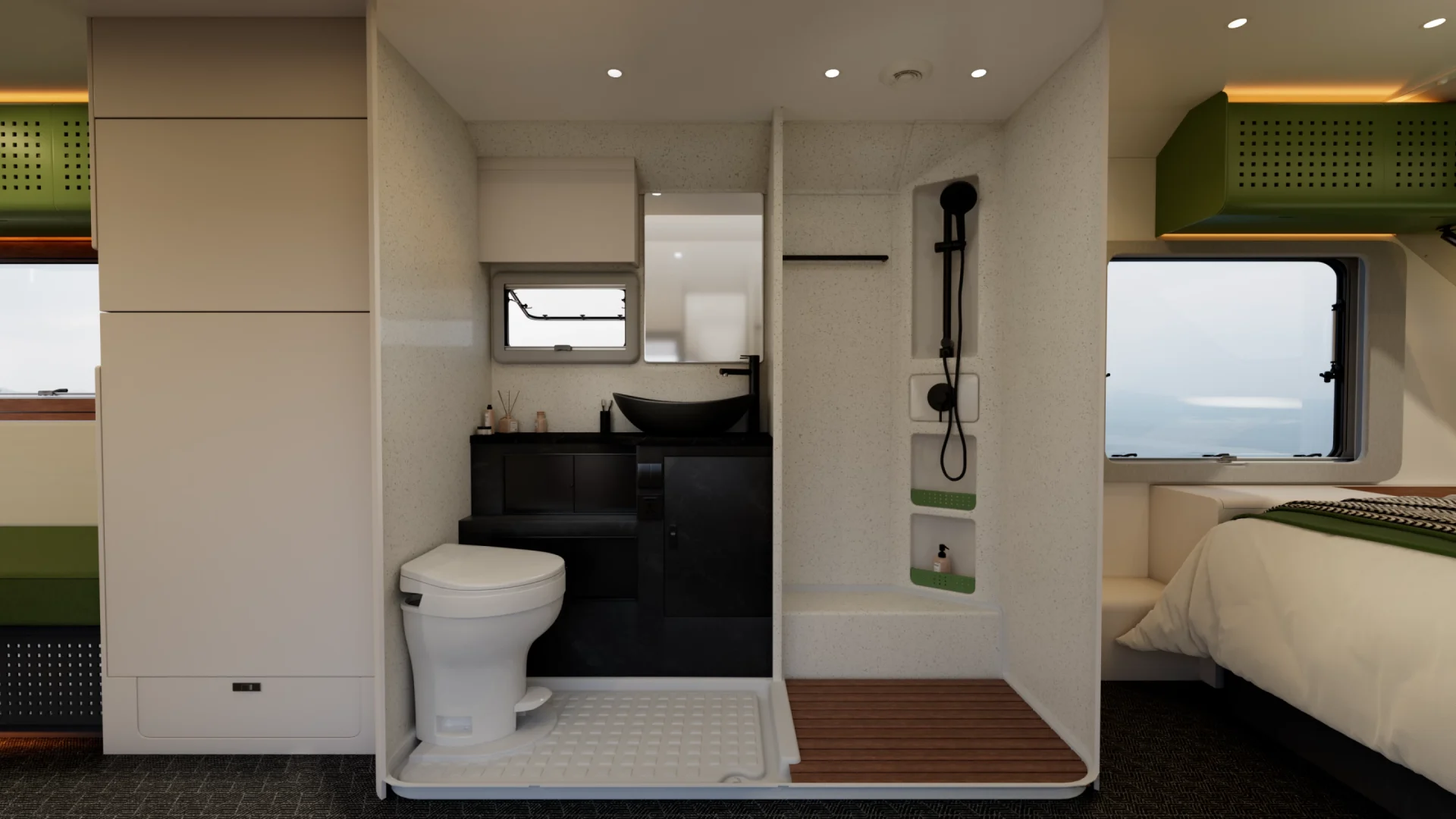
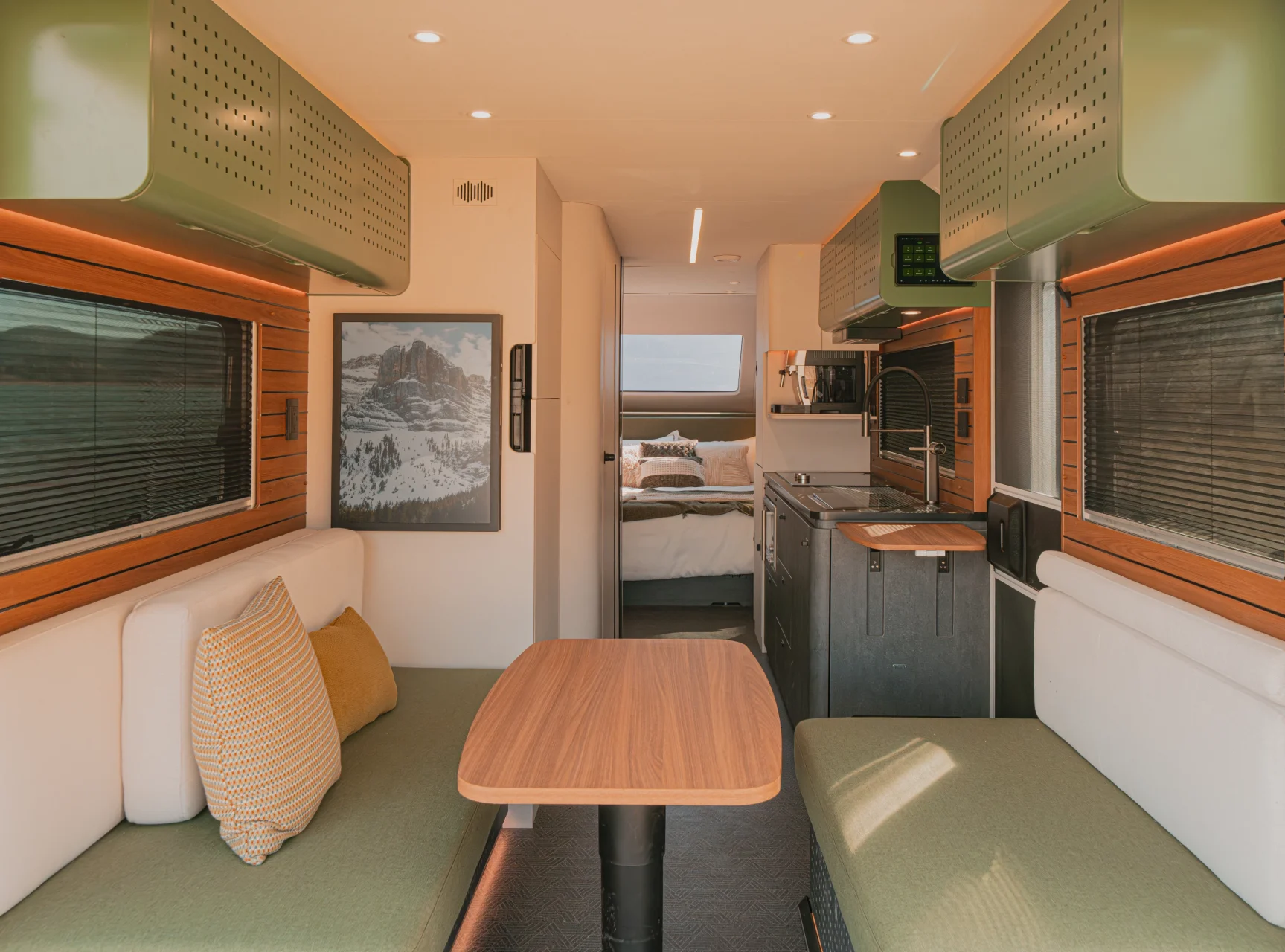
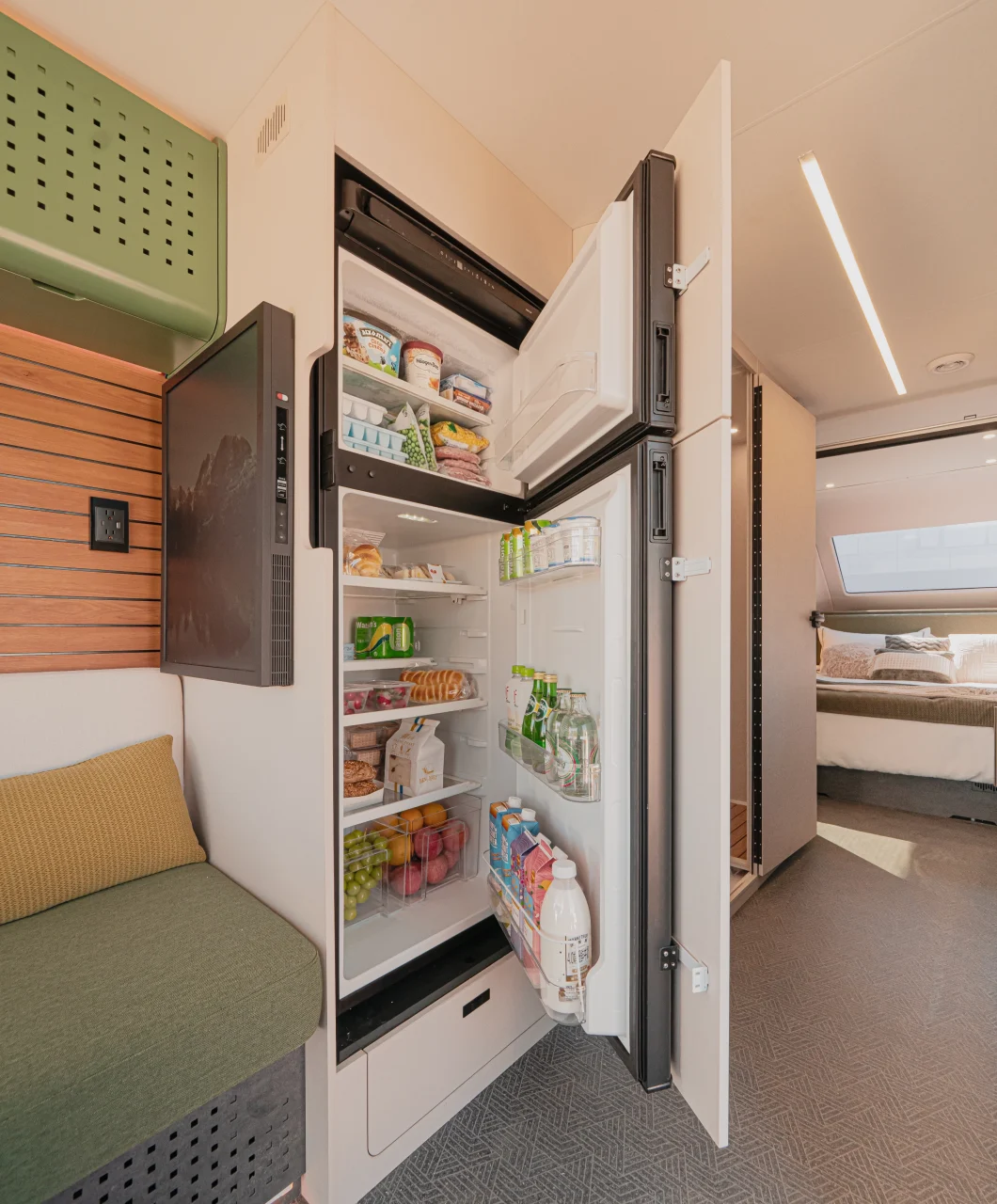
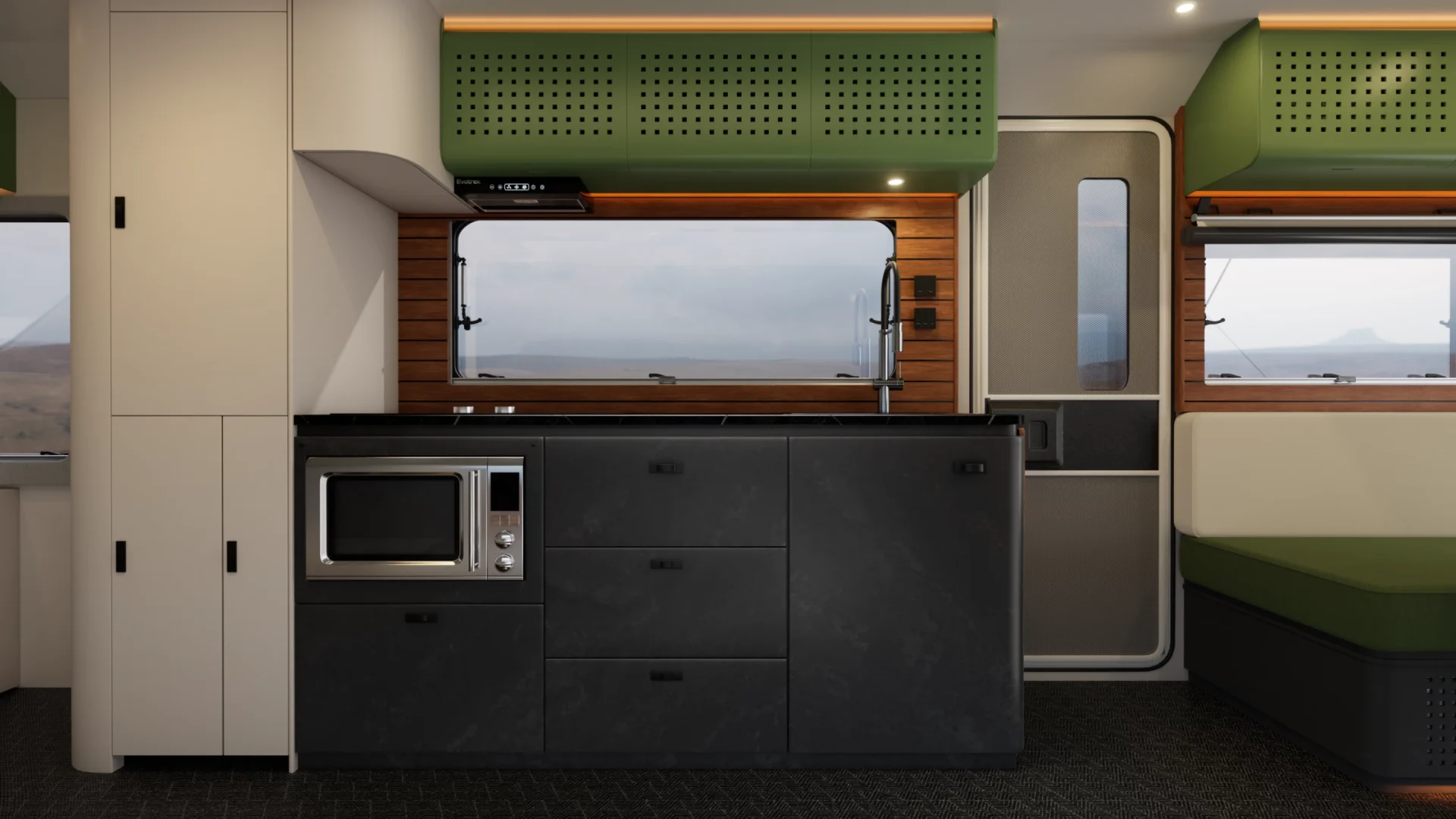
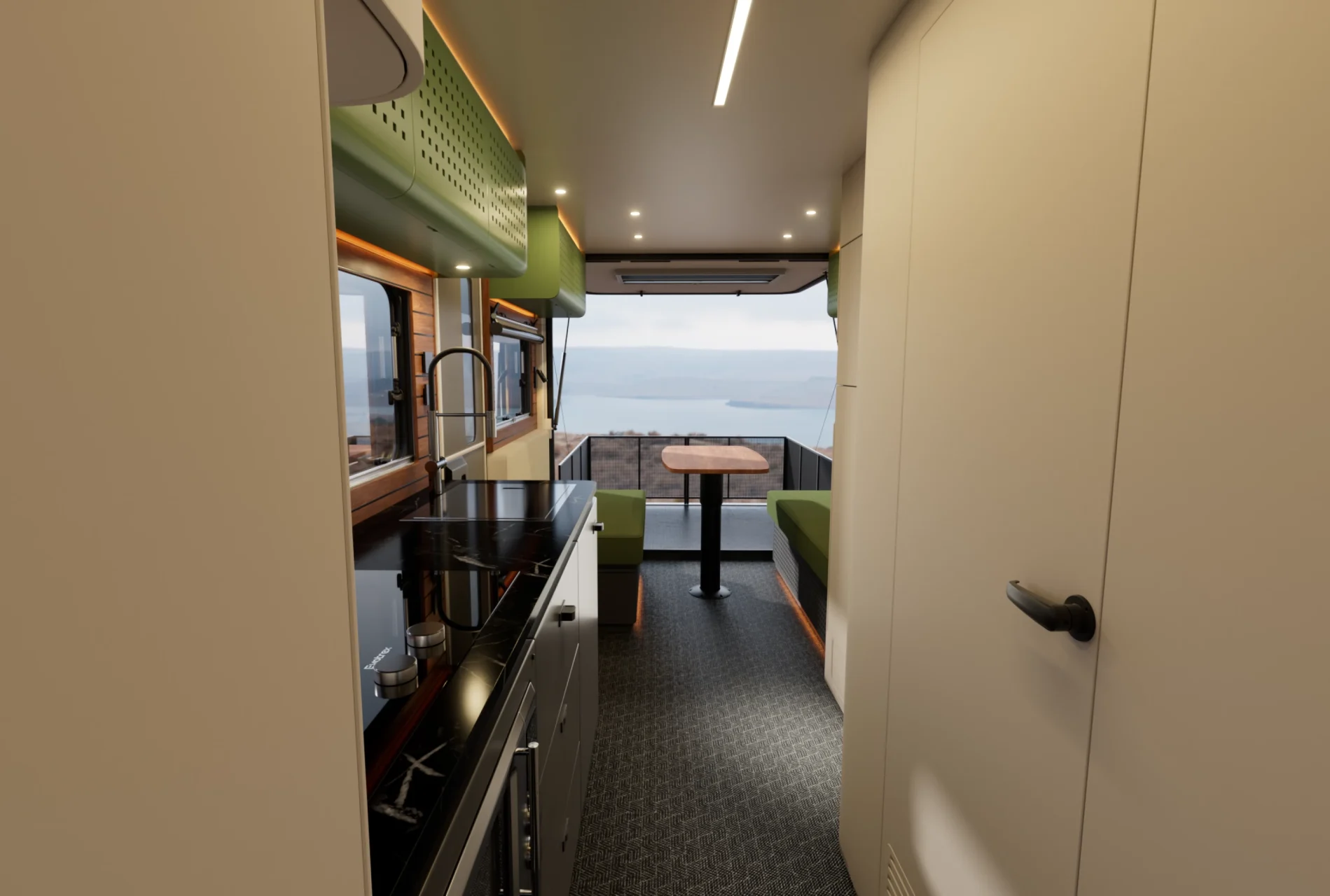
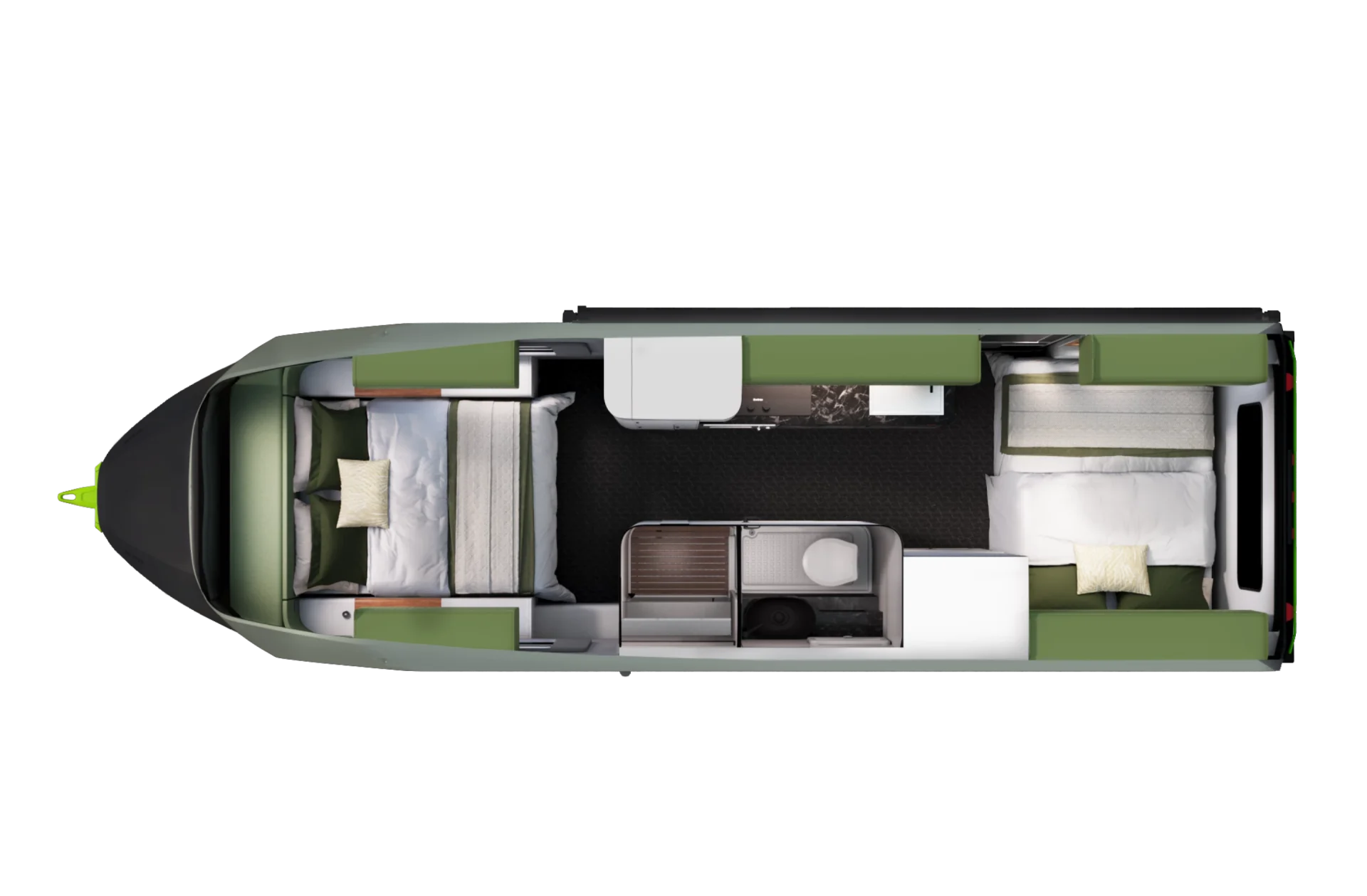
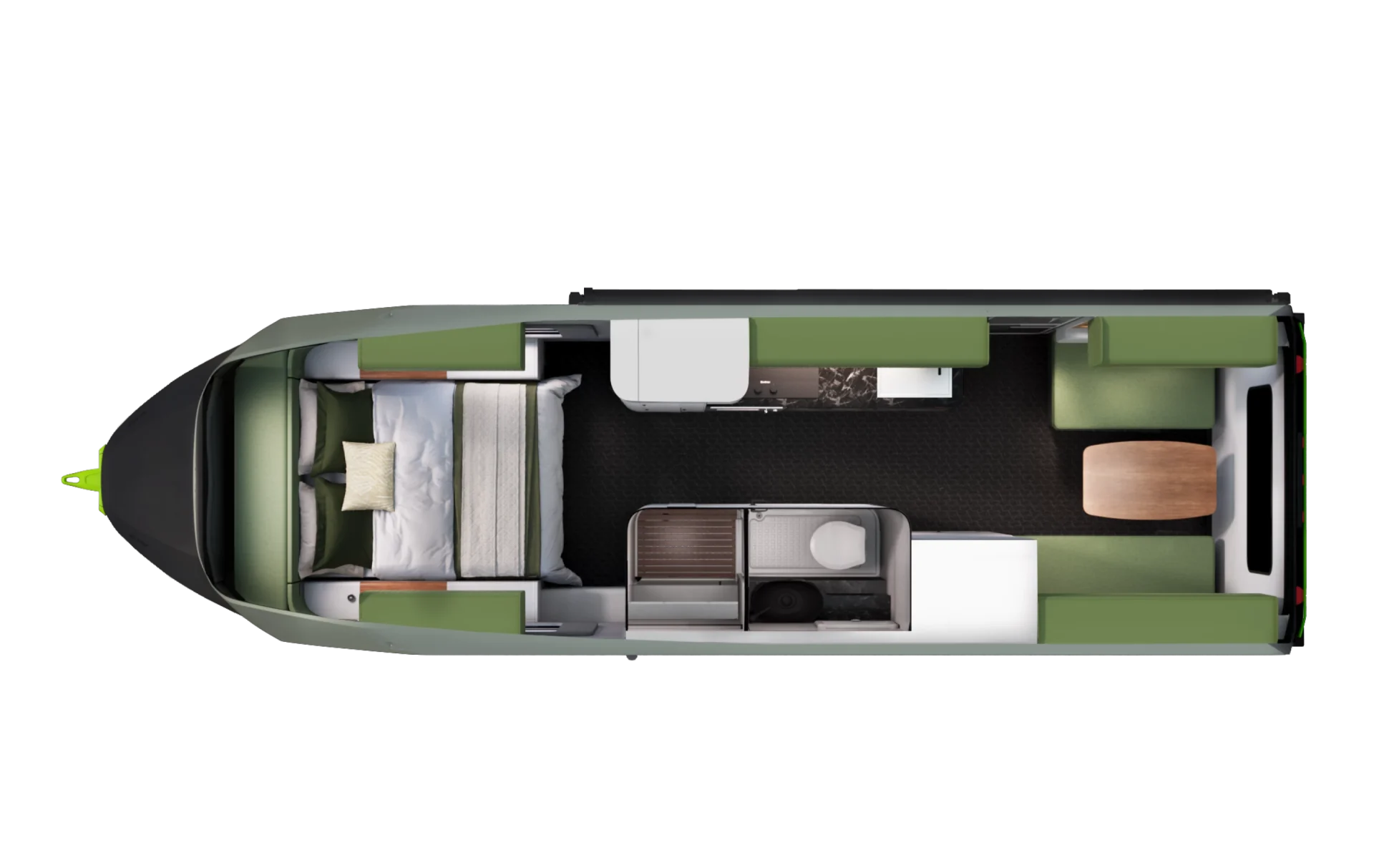
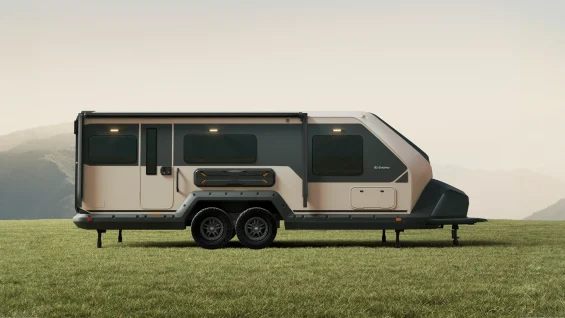
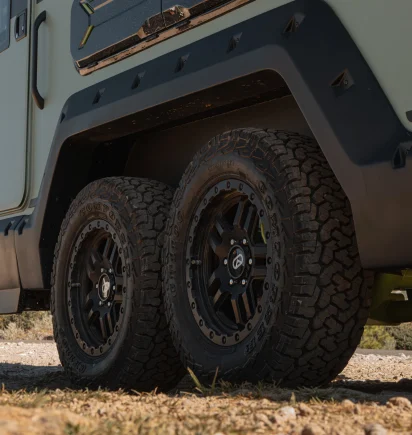
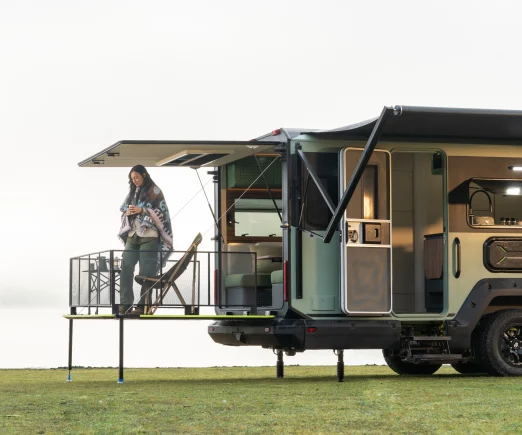
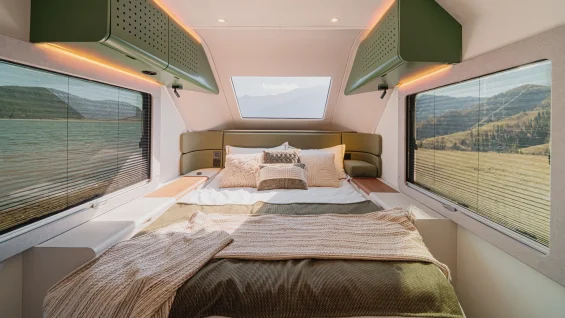
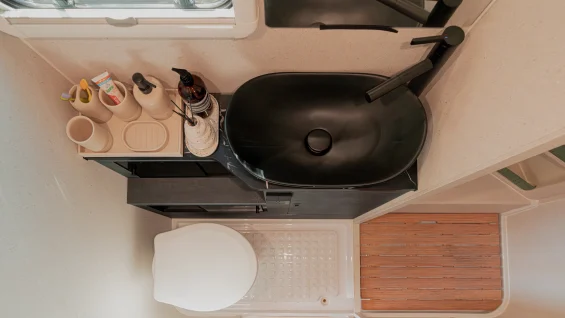
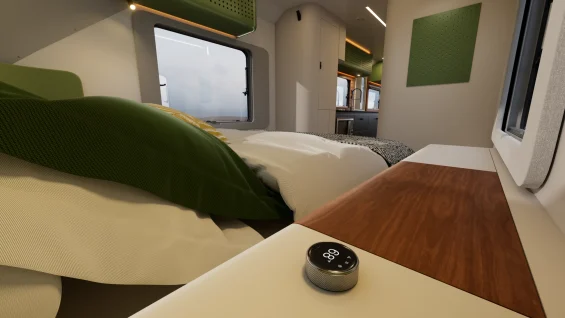
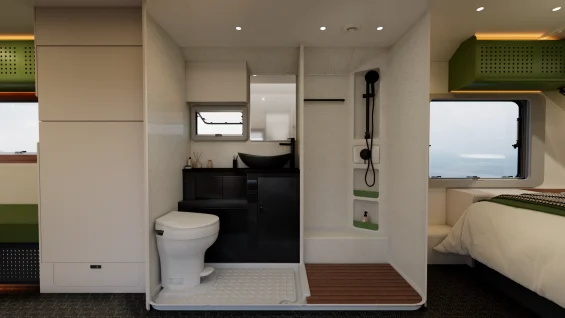
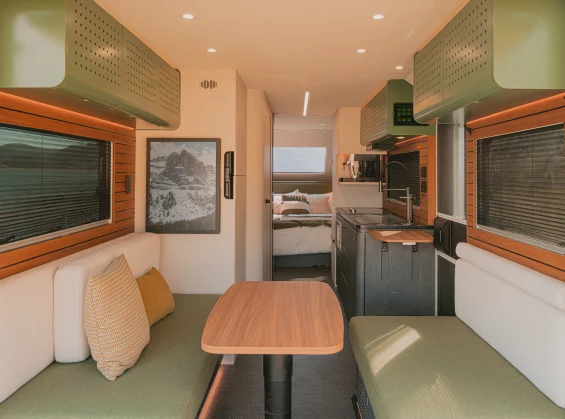
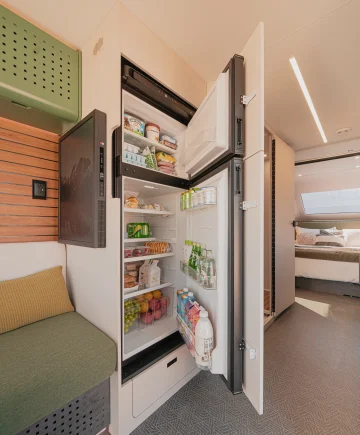
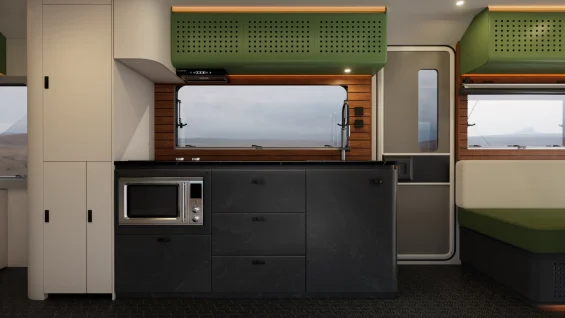
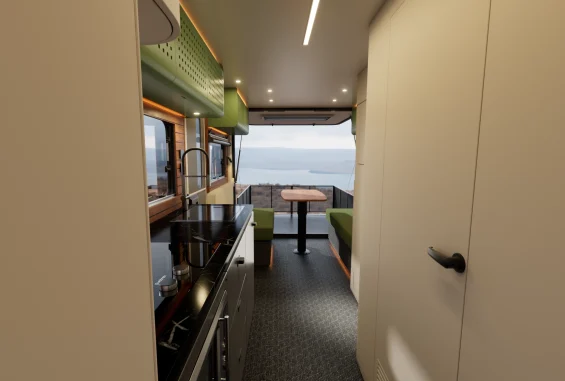
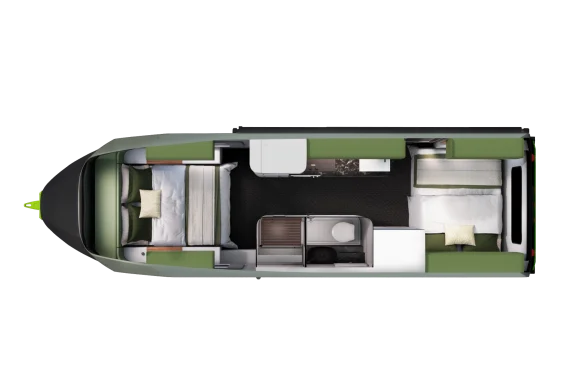
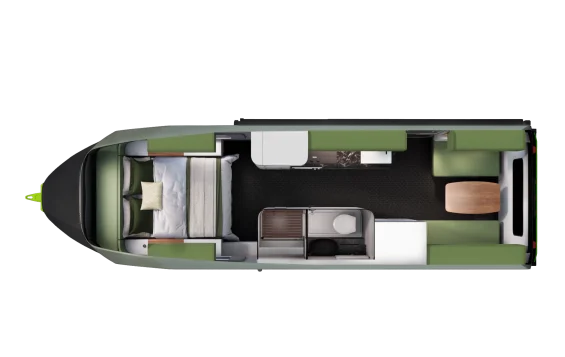
Built on a steel chassis with independent air suspension and 33-inch off-road tires, the PG5 has a fiberglass monocoque body, reminiscent of the nautical design. The interior sleeps four, with a full kitchen, dry bathroom, and a fold-down rear deck.
Unveiled at CES 2026, the model is already on pre-order. The entry-level version, Pioneer, costs US$ 119.990 (approx. R$ 700 thousand), while the top-of-the-line Atlas, with a complete solar system, costs US$ 159.990 (R$ 935 thousand). Deliveries are expected to begin in late 2026.