The study in the UK analyzed 8,000 vehicles and proved that the average health of the batteries remains above 95%, even after years of use
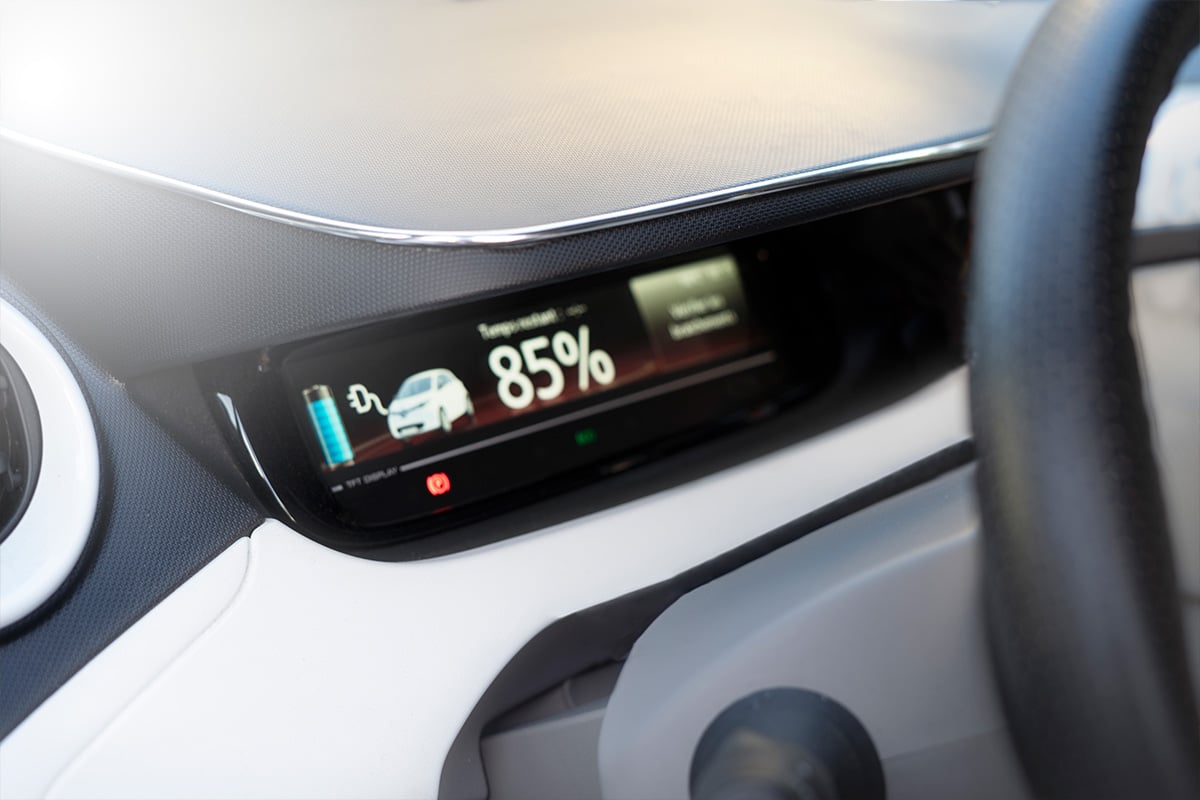
The durability of batteries, one of the main fears of those considering buying an electric car, may be much longer than common sense suggests. A new British study with real usage data has revealed that the wear and tear of these parts is significantly less than previously imagined, demystifying the idea that early replacement is a rule in the segment.
The research, conducted by diagnostics company Generational, looked at more than 8,000 electric and light commercial vehicles from 36 different manufacturers in the UK. With units of up to 12 years of use and mileage that reaches 256 thousand km, the survey pointed out that the average state of health of the batteries remains at an expressive 95.15%.
SEE ALSO:
The data show that the loss of capacity occurs quite slowly. Among vehicles with four to five years of use, the average capacity recorded was 93.53%. In models with eight to nine years on the road, the health index remained around 85%. Surprisingly, even cars that have already surpassed the 100 thousand kilometers mark have shown a health between 88% and 95%.
These numbers far exceed the margin of 70% – the minimum limit generally adopted by automakers to consider the battery efficient. In practice, many of these cars may reach the end of their structural useful life still with the original battery in good operating condition, ensuring greater safety in the purchase and resale of used cars.
This longevity is the result of more than a decade of continuous advances in automotive engineering. Evolution in the chemical compositions of cells, combined with sophisticated thermal management systems and software that optimizes charge and discharge cycles, has drastically reduced degradation and protected hardware from unnecessary wear and tear.
Today, automakers rely so much on the technology that they offer eight- to 10-year warranties on components. According to the trend pointed out in the study, the practical expectation is that modern electric vehicles can remain operational for 15 to 20 years with a significant battery capacity, depending only on proper charging and maintenance habits.



