Bandits crossed the ocean just to steal luxury SUVs in Australia; understand the scheme that forced the brand to change its cars
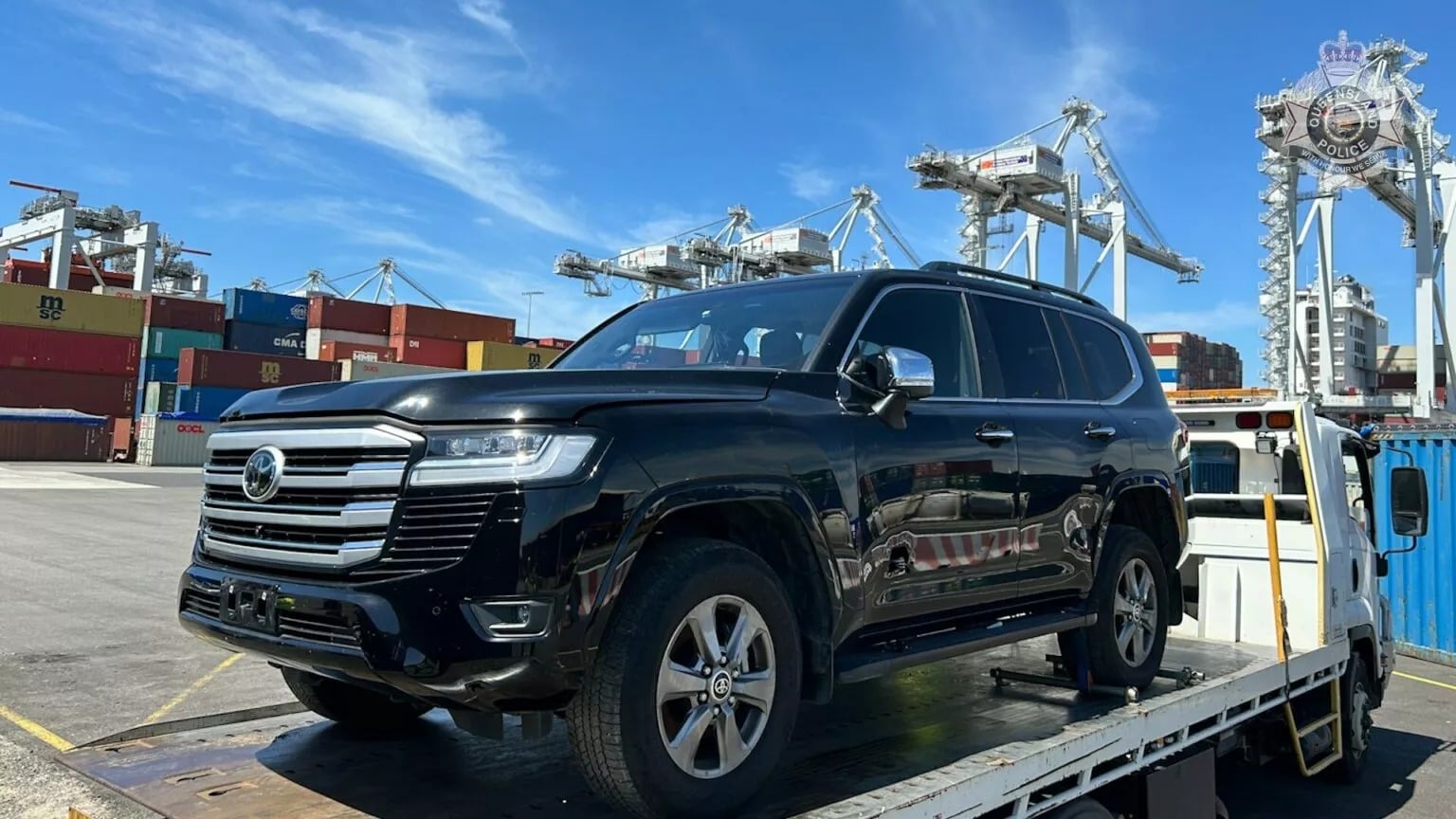
A police operation called “Xray Lox” dismantled an international gang specializing in the theft of luxury vehicles in Australia. The group, composed of seven foreigners who traveled to the country specifically to commit the crimes, focused exclusively on Toyota models, with a preference for the Land Cruiser line. According to Queensland authorities, the criminals were responsible for the theft of 60 vehicles in a short period, aiming at illegal export to the Middle East.
The scheme revealed sophisticated logistics. The suspects landed in Brisbane in October 2025 and used advanced electronic equipment to circumvent the cars’ security systems. The technique involved accessing the vehicle’s data network — often removing the headlights to reach the wiring — allowing the engine to be started in less than two minutes without triggering alarms.
SEE ALSO:
After the theft, the SUVs were quickly hidden in containers, often camouflaged with scrap metal parts to deceive port inspection, with Turkey and the United Arab Emirates as final destinations. The Land Cruiser 300 has become the preferred target due to its high liquidity and resale value in these markets. Local data show that four of the five most targeted cars in the region are from Toyota: Land Cruiser, Hilux, RAV4 and Corolla.
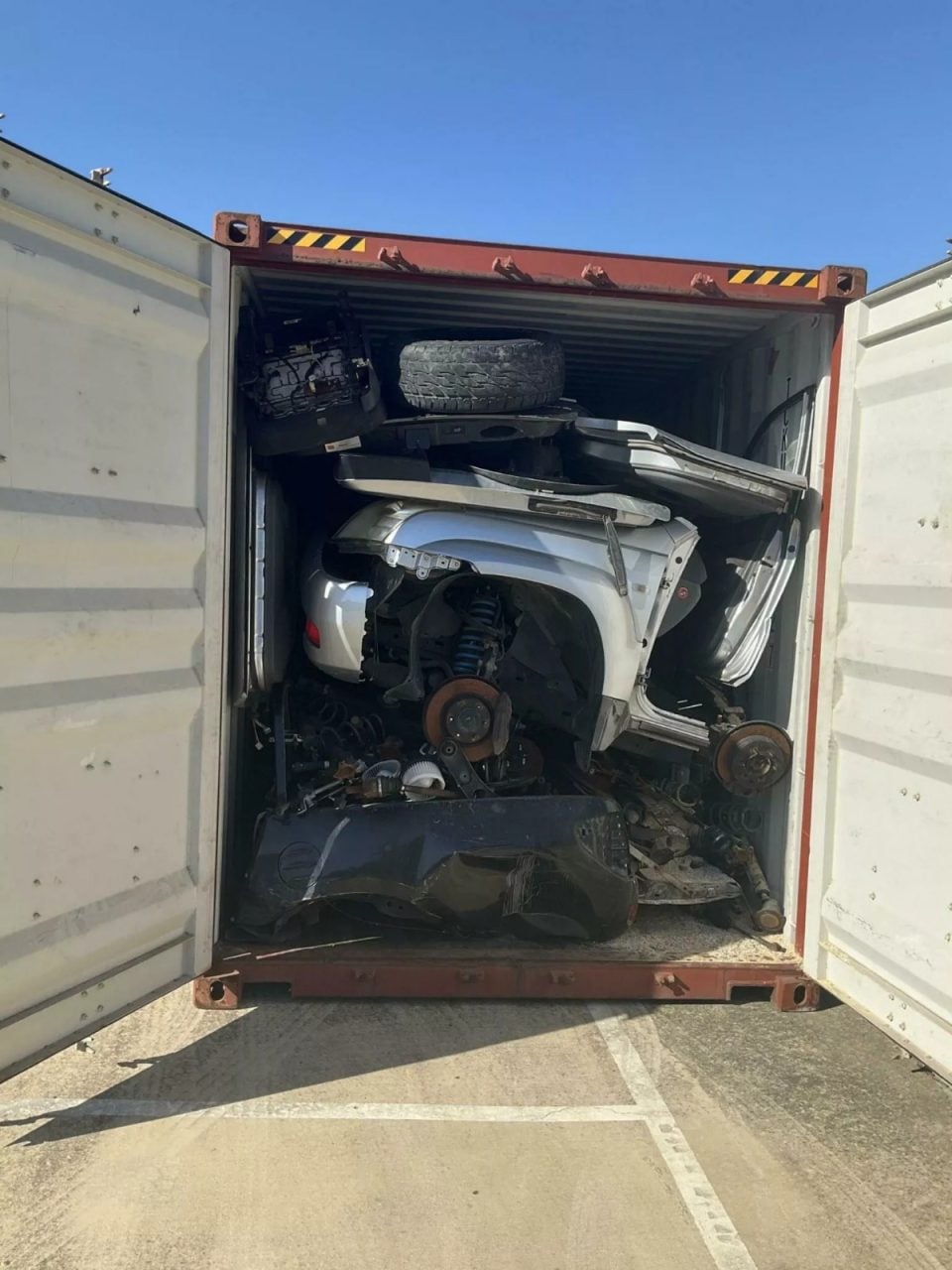


The criminal offensive forced Toyota Australia to collaborate directly with security forces. The automaker announced an update in the encryption software of the Hilux, Land Cruiser 300 and Prado models to make it more difficult for hacker devices. In addition, the company started to offer a reinforced steel steering wheel lock, sold for about 200 Australian dollars (R$ 650), as an additional physical barrier.
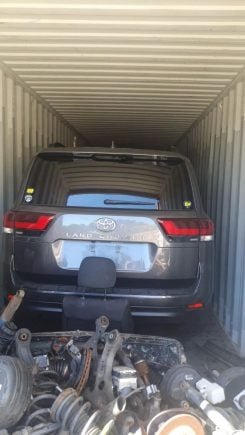
The brand has also implemented a priority program for theft victims, allowing affected customers to “skip the line” for a new vehicle, which can reach months. In a statement, Toyota called for stricter regulation for the sale of electronic diagnostic tools, arguing that fighting organized crime requires both technological and legislative barriers.



