Drop in sales in Brazil and crisis in Argentina lead Peugeot to open POS and slow down the assembly of its 208 and 2008
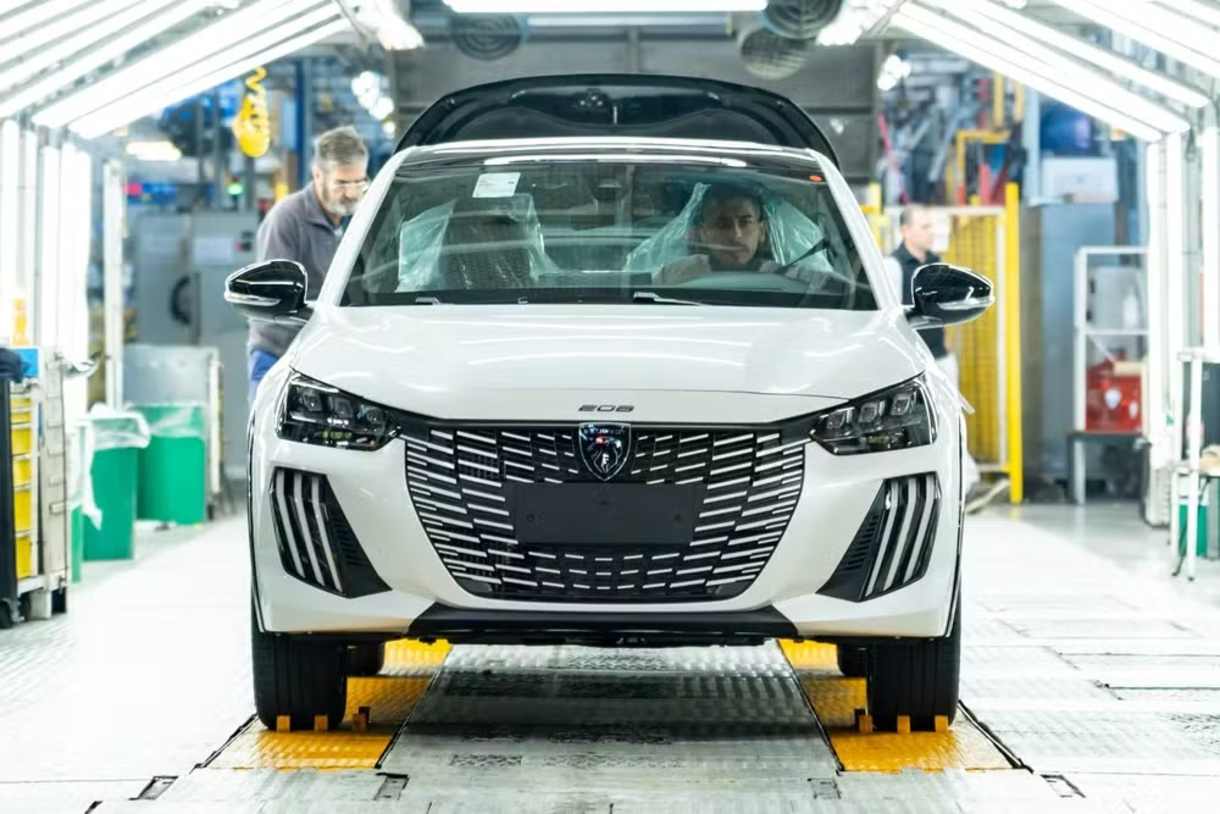
The economic crisis affecting Argentina and the loss of traction in the Brazilian market have led Stellantis to announce a drastic restructuring at the El Palomar plant in the province of Buenos Aires. The automaker confirmed the cut of one of the two production shifts and the opening of a Voluntary Dismissal Program (PDV), directly affecting the manufacture of the Peugeot 208 hatch and the recently launched 2008 SUV.
The measure, reported by the Autoblog website, is scheduled to be implemented in May 2026 and highlights the need to adapt the operation to the reality of demand. The Brazilian market, a priority destination for the unit’s exports, has dictated the pace of this retraction.
SEE ALSO:
The plant will undergo severe operational changes to stop the loss of competitiveness. The downsizing of the staff via POS and the end of the second shift reflect a scenario of chronic instability in the local automotive sector.

Stellantis’ decision is a direct reflection of an unfavorable situation. On the one hand, the Argentine automotive industry is experiencing its eighth consecutive month of decline, with a significant drop of 30.1% in the first two months of 2026 alone. On the other hand, Peugeot’s performance in Brazil lit a warning sign: while the national car market registered a slight growth of 2.5% between 2024 and 2025, the French brand shrank 17.6%, squeezed by strong competition in the SUV segment.
Check out the performance of the models in 2025:
| Model | Argentine Sales (2025) | Sales Brazil (2025) |
|---|---|---|
| Peugeot 208 | 29,092 units | 9,812 units |
| Peugeot 2008 | 15,347 units | 11,317 units |
Despite the adverse scenario, the El Palomar plant maintains a fundamental strategic importance. Currently, it is the only factory in all of Argentina capable of producing hybrid vehicles. The top-of-the-line versions of the 208 and 2008 use the T200 Hybrid set, which combines the 1.0 turbo flex engine with 130 hp with a 12-volt auxiliary electrical system. The goal of the restructuring is to preserve this technological capacity, even in the face of the forced reduction in export volumes.



