Automaker reinforces that the introduction of humanoids aims to eliminate monotonous, unhealthy or dangerous tasks, without the intention of replacing jobs
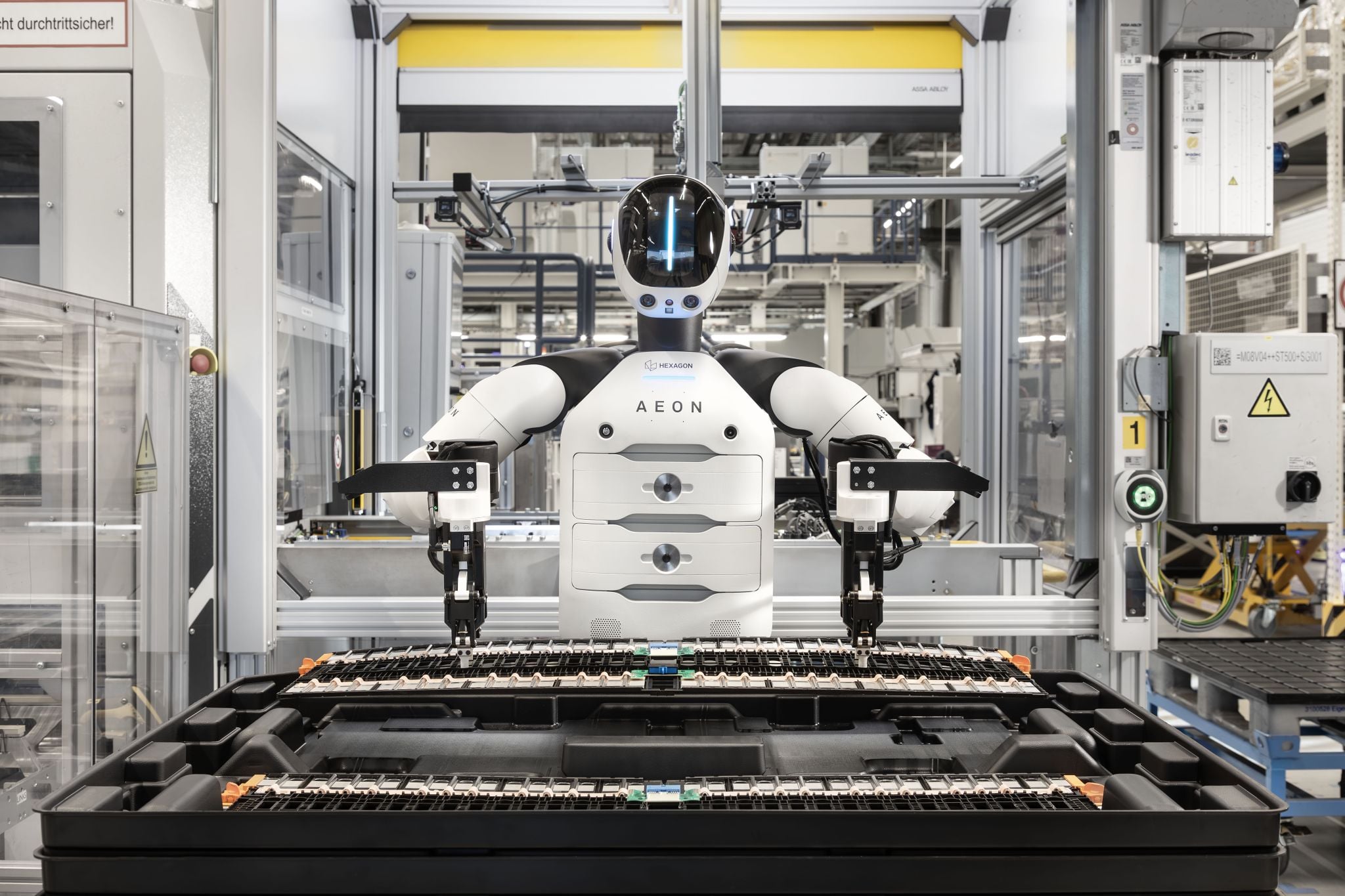
BMW is expanding the use of artificial intelligence in its production system by introducing the use of humanoid robots for the first time in Europe. After the end of a successful testing phase at the Spartanburg plant in the United States, the manufacturer is now concentrating efforts at the Leipzig unit, in Germany, to validate the feasibility of this technology on European soil.
Unlike traditional robotic automation (fixed and limited to simple repetitive movements), the new models are designed to operate in real industrial environments, simulating human dexterity to perform highly complex tasks. The central objective is to optimize logistics and manufacturing processes that require motor versatility.
SEE ALSO:
The Leipzig plant now uses the Apollo robot, developed by partner Apptronik, from Texas (USA). The model stands out for its bipedal structure and articulated arms that allow the manipulation of varied components, from metal parts to high-voltage battery modules. The current testing phase focuses on delivering parts to the assembly lines and verifying the robot’s accuracy in ergonomically taxing tasks for humans.
The technical feasibility of this integration was paved at the South Carolina (USA) unit throughout 2025. At the time, the Figure 02 robot operated in continuous shifts in the production of the BMW X3, moving thousands of sheet metal components with millimeter precision. In Leipzig, the Apollo is expected to go up a notch in complexity, directly assisting in the assembly of electrical components.
The implementation is part of the BMW iFACTORY strategy, which uses the concept of “digital twins” to train artificial intelligence in a virtual environment before its physical application. This methodology allows the robot to learn to navigate the factory floor and interact with objects without posing risks to the operation.
The automaker reinforces that the introduction of humanoids aims to eliminate monotonous, unhealthy or dangerous tasks, without the intention of replacing jobs. According to the company, the previous dialogue with the teams ensured a positive reception of the technology, consolidating robots as collaborative assistants in the brand’s global industrial routine.



