After global negative reaction, manufacturer abandons charging model to warm up banks, but maintains software strategy
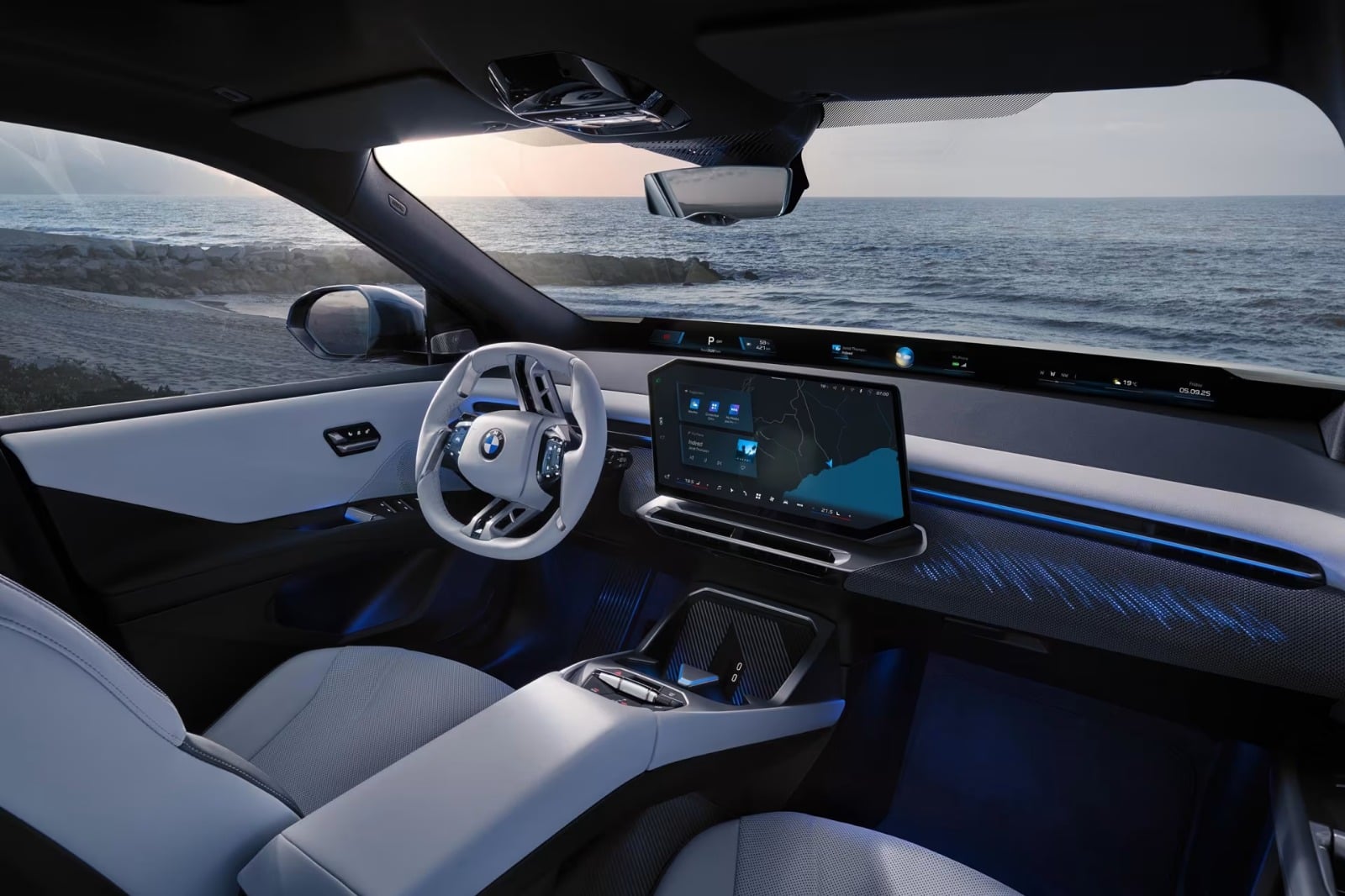
BMW has publicly admitted that the strategy of charging monthly or annual subscriptions for the activation of items already installed in cars, such as heated seats, was a commercial miscalculation. The initiative, implemented in several global markets just over a year ago, generated an immediate and intense negative reaction from consumers. The main criticism was the perception of unfairness: the customer felt that he was paying twice — first for the physical vehicle and then to “unlock” a component that was already installed in the factory.
Faced with the rejection and the risk to the brand’s reputation, the German automaker confirmed, to the Drive.au website, the abandonment of this model for static components. From now on, comfort equipment will once again be sold exclusively as one-time payment options at the time of purchase or in the definitive after-sales, without recurring fees.
SEE ALSO:
Despite the tactical retreat in relation to physical items, BMW has not given up on the concept of “Car as a Service”. The company will maintain — and intend to expand — the subscription model to features based purely on software and digital services. The corporate justification is that systems such as autonomous parking assistant and real-time traffic updates require continuous data processing and server maintenance, which legitimizes periodic billing.
According to the company’s management, flexibility is still a valuable asset for the modern consumer, allowing, for example, to activate driving assistance systems only during vacations or long trips. However, the “heated banks case” served as a clear limiter: market acceptance for microtransactions ends where physical ownership of the vehicle begins.
BMW’s move serves as a wake-up call for the entire premium sector. Other manufacturers, such as Mercedes-Benz (which charges an annual fee to release more power in its electric vehicles) and Tesla (with its FSD system), continue to test consumer tolerance, seeking to transform the car into a recurring revenue platform, similar to smartphones.



