Swedish manufacturer applies lessons from the Efficiency Concept Truck to series models to reduce drag and improve performance
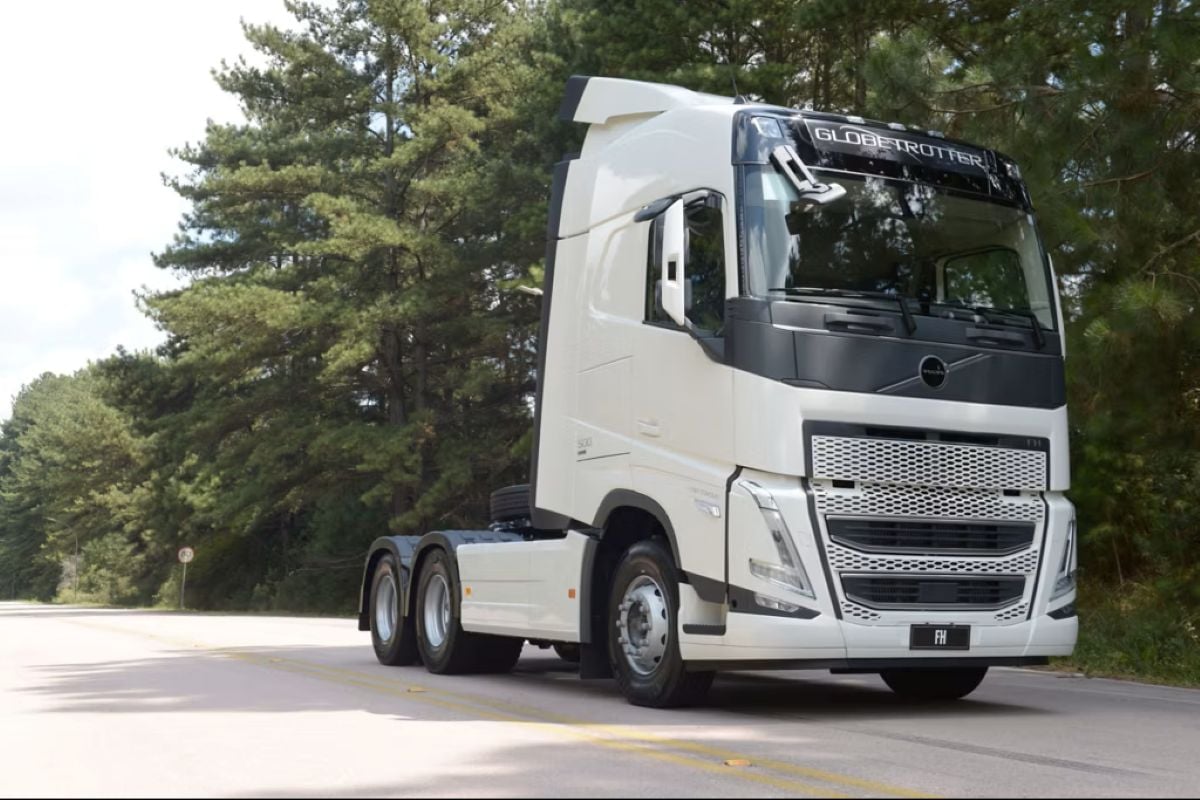
Volvo Trucks has introduced a series of aerodynamic refinements in the FH line, aiming to increase energy efficiency rates in road freight transport. The updates, which will become part of production in 2026, focus on reducing drag and optimizing airflow, allowing a direct reduction in fuel consumption and emissions.
On top of the external modifications, the manufacturer installed new aerodynamic fins on the A-pillar of the cabin. The component, strategically positioned next to the windshield, smooths the passage of air down the side of the vehicle at cruising speeds. In addition, the air deflectors received more generous extensions, ensuring a more precise direction of the flow between the tractor and the implement, a critical point for the generation of turbulence.
SEE ALSO:
The precision in the finish was also reinforced. Volvo has reduced the gaps and the junctions of components, such as the gaps between the headlights and the front grille. This technical seal minimizes aerodynamic losses that, although they seem subtle individually, add up to compromise the overall performance of the heavy over long distances.
These innovations derive from the Efficiency Concept Truck project, which since 2021 has been testing advanced solutions on Brazilian roads. The development is complemented by I-Torque technology, which uses artificial intelligence to analyze the topography and load demand, delivering the necessary force accurately, without waste.
The new updates are compatible with the brand’s Aero package. According to the automaker, the objective is to offer a technical set that allows the carrier to extract the best possible performance, adapting the vehicle to the specific requirements of each route and type of cargo, consolidating engineering aimed at operational economy.



