Survey indicates that 90% of new vehicles share driver telemetry in the US; Sale of information to third parties is in the government's sights
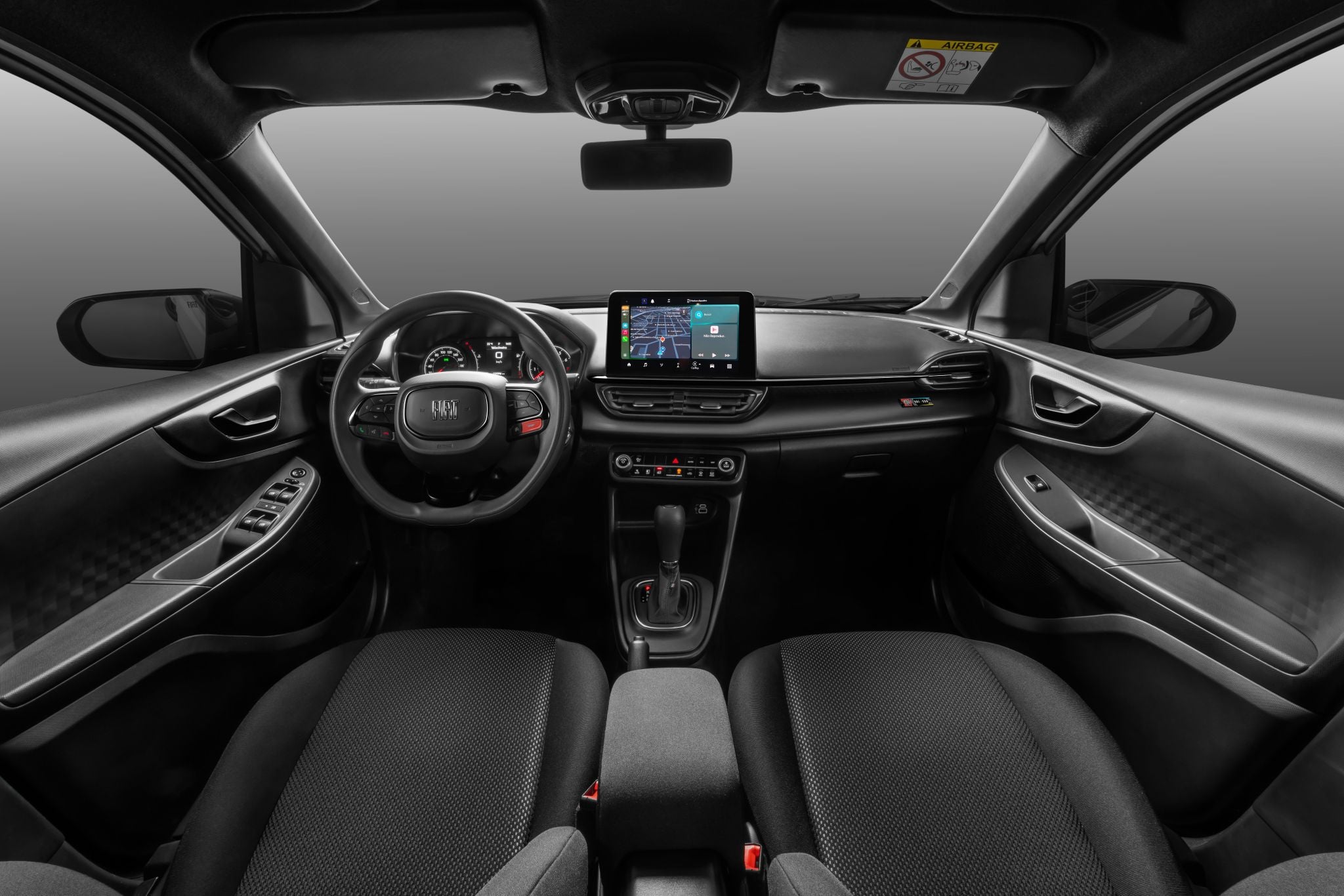
Your own car may be to blame for the sudden increase in the value of your insurance. This is because, with technological evolution, it is estimated that 90% of new vehicles in the global market are no longer just means of transport to act as true ‘spies’ on wheels. They collect detailed telemetry data — such as hard braking, rapid acceleration, and speeding — and pass it on to data brokers, who in turn sell that history to insurers.
The practice, which had been taking place quietly, turned into a privacy scandal and came into the crosshairs of the authorities. Recently, the United States Federal Trade Commission (FTC) banned General Motors (GM) from sharing this driving information with third parties for five years, requiring a drastic change in transparency with consumers.
SEE ALSO:
In practice, the impact hits the owner’s pocket hard. Many drivers in the United States, even with an impeccable record and no fines or accidents, have been surprised by inexplicable jumps in the value of policies. When questioning the brokers, they discover that the increase in price was justified by specific events recorded by the vehicle’s system on exact dates.
The manufacturers defend themselves by claiming that sharing is legal and authorized at the time of purchase. The problem is that this consent is usually buried in the fine print of dozens of pages of terms of service, financing agreements or in the activation of the brand’s mobile apps.
The situation is aggravated because, abroad, automakers often include forced arbitration clauses, which prevent consumers from filing common lawsuits to challenge the commercial use of their private information.
While the industry argues that continuous telemetry is essential to diagnose mechanical failures and improve road safety features, the predatory sale of these reports to insurers is now consolidated as the biggest and most complex ethical debate of the new era of connected cars.



