From mechanical problems to software design: study reveals what irritates the consumer and which brands dominate the Chinese market
The J.D. Power 2026 China New Energy Vehicle Initial Quality Study (NEV-IQS) reveals a maturation in electrified vehicle manufacturing in China. Although the total volume of complaints shows a slight increase, the pace of growth of new problems has slowed. The industry average index reached 231 problems per 100 vehicles (PP100), indicating that manufacturers were able to stabilize the physical quality of the components.
SEE ALSO:
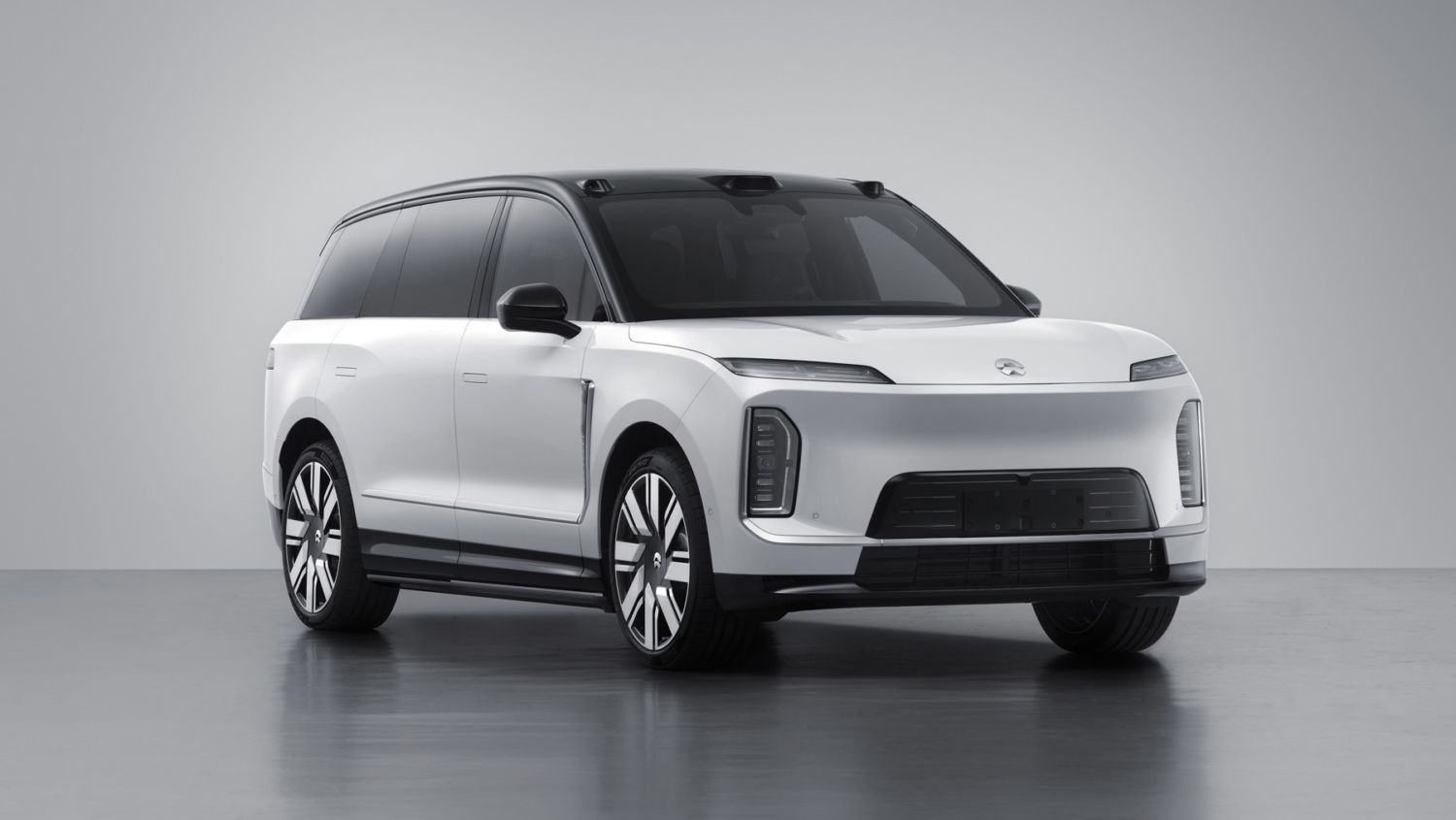
In the ranking by segments, Xiaomi and NIO consolidated their leadership in initial quality. The Xiaomi SU7 won in the electric medium sedan category, while the recently launched YU7 SUV secured the top among compact SUVs. In the premium sector, NIO maintained its dominance with the ES8 SUV and the ET5 sedan, reaffirming the strength of native technological brands against traditional automakers.
The survey sparked an alert about the demographic profile of buyers: the share of Generation Z (born after the year 2000) has tripled in the electrified market since 2024. This audience is more rigorous, registering a problem rate 12% higher than the industry average, with a special focus on aesthetics and technological fluidity.
The nature of the failures reported by the owners has shifted focus. The growth of mechanical defects and malfunctions of traditional parts has stagnated, signaling that the construction of cars has reached a level of maturity. Currently, about 70% of complaints are related to design and design errors, especially at the interface between man and machine.
For the third year in a row, the infotainment system is the main focus of dissatisfaction, followed by instabilities in driver assistance software (ADAS). On the other hand, battery engineering and charging systems showed significant improvement, with a considerable reduction in complaints about autonomy and charging infrastructure.



