1.2 PureTech engine, the target of complaints for premature degradation, will be gradually replaced by engines from the Firefly family with metal chain
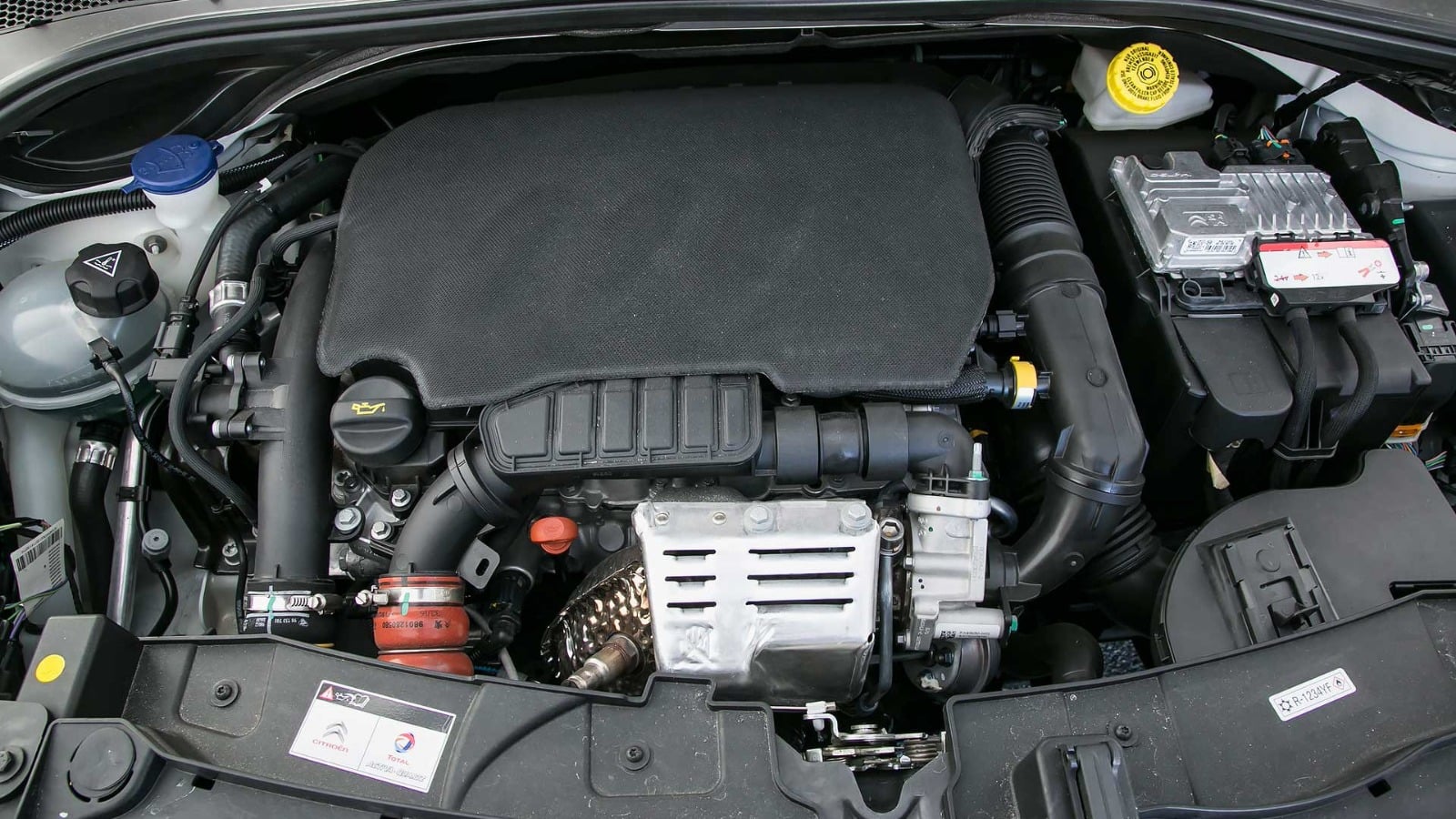
Due to a well-known problem in Brazil, Stellantis decreed the end of the line for the controversial 1.2 PureTech engine in Europe. Affected by chronic failures that have damaged the image of brands such as Peugeot, Citroën and Opel, the engine of French origin will be gradually replaced by the Firefly family, used by several national Fiats. The decision marks a drastic change by the automotive group, which has chosen to abandon the oil-bathed timing belt in favor of the metal chain system. The objective is twofold: to correct the crisis of European consumer distrust and to prepare vehicles for the strict Euro 7 emission standards through hybrid systems.
SEE ALSO:
The ‘Achilles heel’ of the PureTech lies in its very design: the timing belt, designed to work submerged in engine oil, undergoes a process of premature degradation due to extreme heat and chemical contamination, and is especially susceptible to oils outside the proper specifications.
When crumbling, the plastic fragments of the belt clog the oil pump angler, interrupting the flow of lubrication and causing the immediate and irreversible collapse of the mechanical assembly. The original factory promise was for a durability of up to 240 thousand kilometers, but practice proved the opposite: reports pointed to catastrophic failures even before the 60 thousand driven. Faced with a barrage of cast engines, warranty extensions and a damaged reputation, Stellantis concluded that just changing the composition of the belt would not be enough to erase the stigma of the technology in the market.
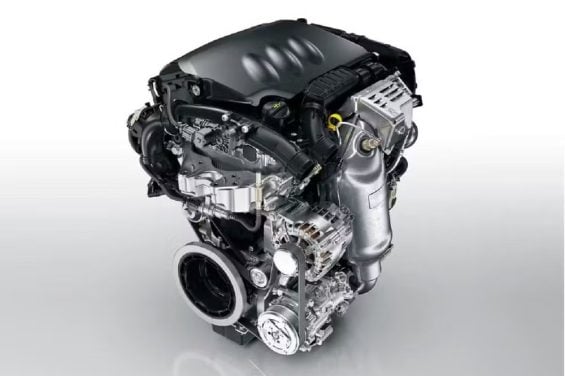
Instead of insisting on palliatives, the conglomerate resorted to a consolidated solution in-house: the Firefly family and its turbo derivatives (GSE) bring the robust steel control chain, practically maintenance-free. The set already has its reliability attested in Europe in electrified models, such as the Alfa Romeo Tonale and the Fiat 500 Hybrid.
In Brazil, such engines are also used in the Fiat Argo, Pulse, Mobi, Toro and Fastback — as well as models from Jeep, Citroën and Peugeot.



