Spotted in India, the model should use LFP batteries to cost less than 20 thousand euros and compete for space with cars from Dacia and Citroën
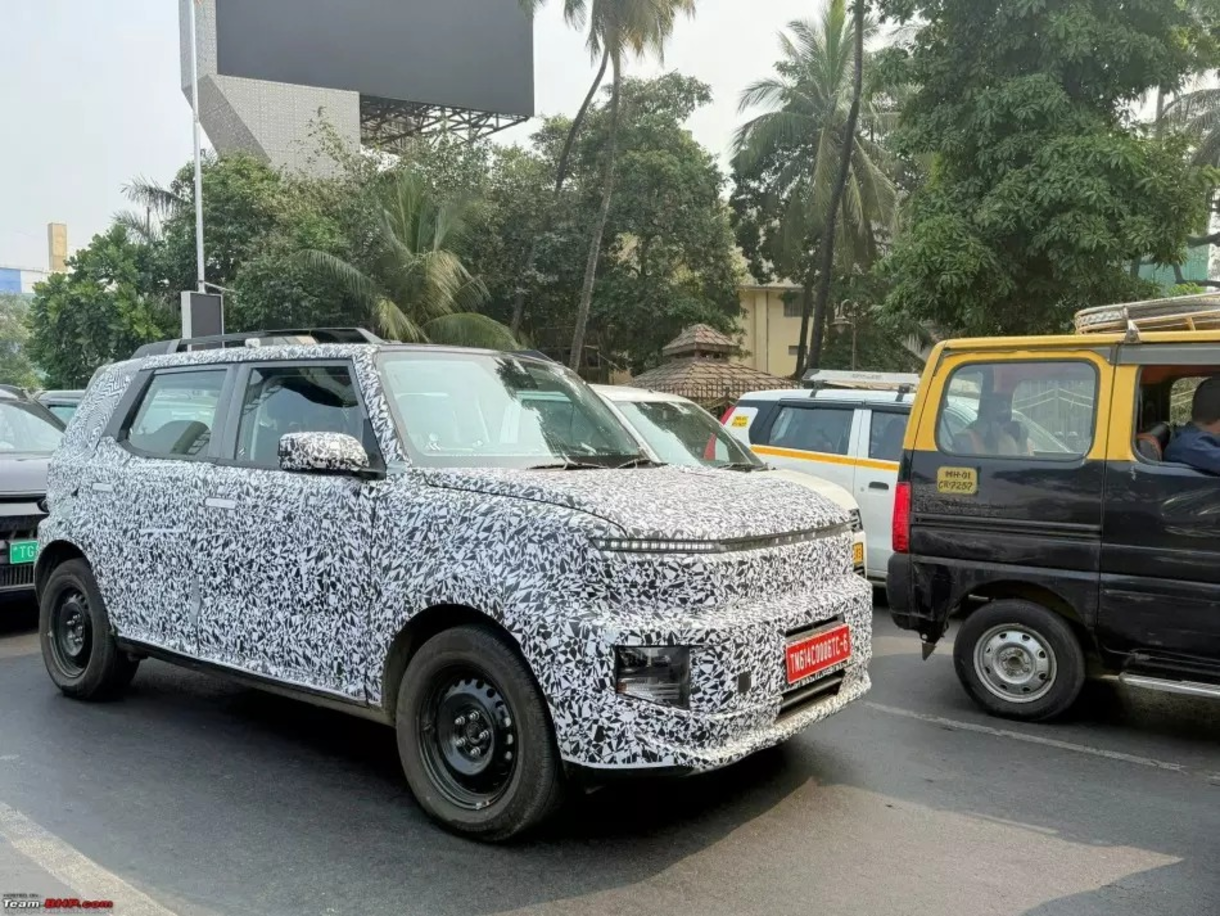
Images of a camouflaged prototype in India reveal the next steps in Hyundai’s electrification strategy for emerging markets and Europe. The model, treated internally by the HE1i code, should be commercially named Ioniq 1 or Ioniq 2, following the nomenclature of the brand’s electric division. Unlike the Hyundai Inster — focused on the urban subcompact niche — the new project bets on a traditional SUV architecture to attract more consumers.
SEE ALSO:
The development of the vehicle prioritizes the financial equation: the new SUV will be less than 4 meters long — a crucial measure to obtain tax benefits in India — but promises to compensate with an elongated wheelbase, maximizing interior space. The most relevant technical decision, however, is on the floor: Hyundai has opted for LFP (lithium iron phosphate) battery cells. This chemistry, although less energy-dense, is cheaper and more durable than traditional lithium-ion batteries.
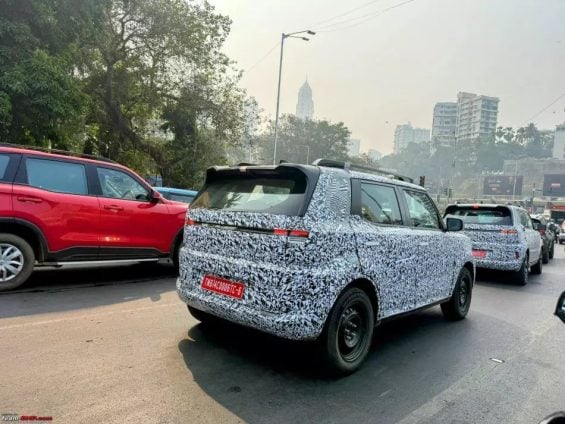
The launch of HE1i gains geopolitical relevance due to the recent Free Trade Agreement between India and the European Union, signed in early 2026. The treaty allows vehicles manufactured in the Indian hub of Chennai to enter the European market free of heavy import tariffs.
With this logistical and fiscal advantage, Hyundai plans to supply large urban centers, such as Paris and Berlin, with a product of Indian cost and global standard. The expectation is that the model will land in Europe with a starting price of less than 20 thousand euros (about R$ 123 thousand at the current exchange rate), putting it on a direct collision course with the Dacia Spring and the Citroën e-C3. If the export is confirmed, the model will receive structural reinforcements to meet Euro NCAP standards.



