Price parity with combustion vehicles and embedded technology accelerate the Asian "invasion", surpassing traditional brands
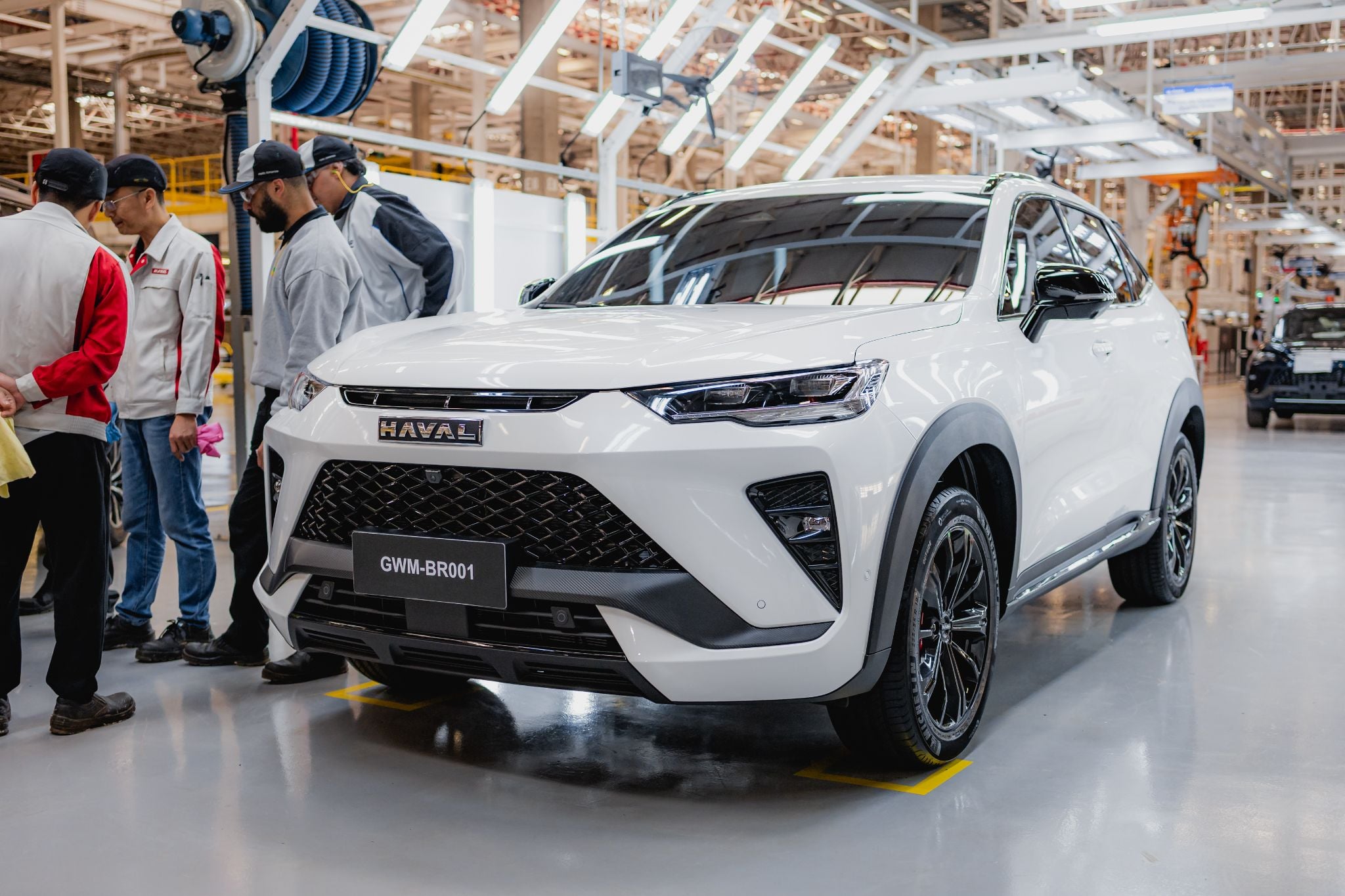
Driven by trade barriers imposed by the United States and the European Union, Chinese automakers have chosen Brazil as a priority market and are expected to double their presence in the country in the coming years. According to a study by Bright Consulting, commissioned by Abeifa (Brazilian Association of Automotive Vehicle Importers and Manufacturers), the share of these brands in national sales should jump from the current 10% to 18% by 2030.
Although the market is still led by traditional giants such as Stellantis and Volkswagen, the Asian advance is consistent. In 2025, Abeifa’s members sold about 137 thousand vehicles. The volume represents a significant growth over the previous year, supported by the demand for electrified models.
SEE ALSO:
For Murilo Briganti, an analyst at Bright Consulting, China has gone from being a niche trend to becoming a “systemic player”. Globally, the country already accounts for 25% of automotive sales. In Latin America, this dominance is even greater in markets without strong local industry, such as Peru, where China’s share reaches 33%.
Two economic factors explain this projection for Brazil. The first is technical feasibility: at the turn of 2025 to 2026, the cost of batteries broke the symbolic barrier of US$ 100 per kWh, allowing for more competitive prices compared to combustion cars. The second is the perception of value. According to Marcelo de Godoy, president of Abeifa, the devaluation of used electric vehicles is already equal to that of conventional vehicles, reducing the consumer’s fear at the time of exchange.
Despite the long-term optimism, the immediate scenario for 2026 calls for caution. The entity warns that the pure imported segment, especially luxury ones, may face stagnation due to economic uncertainties that lead high-income consumers to postpone fleet renewal. Growth, therefore, will increasingly depend on the nationalization of production, supported by the Mover program.



