The brand's oldest pickup in production should be discontinued after 45 years; successor will use T-Cross platform to face Fiat Toro
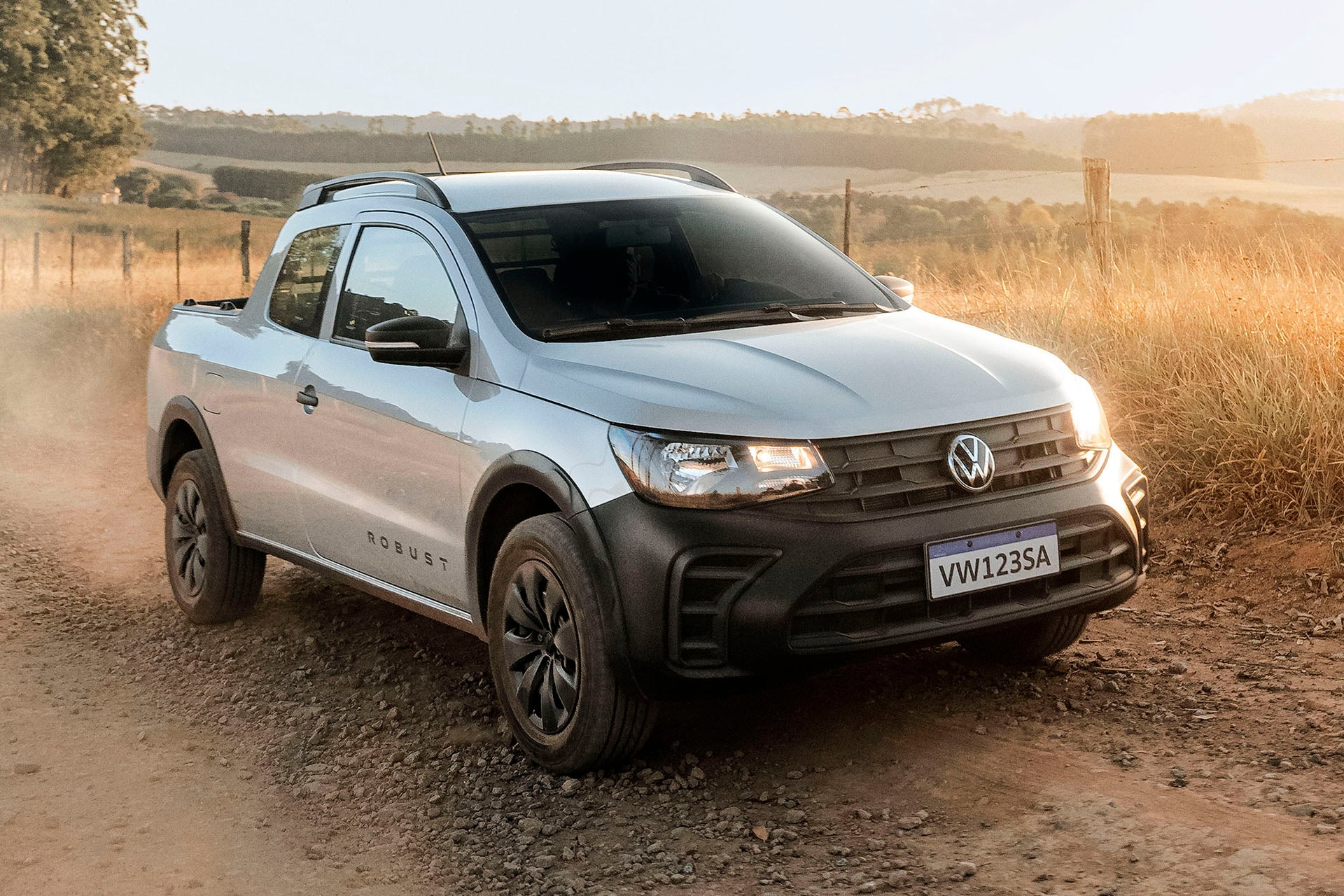
Volkswagen is preparing the end of a historic cycle in the national automotive industry. The Saveiro pickup, in uninterrupted production for more than four decades, is expected to leave the assembly lines by early 2027. The measure, although not publicly made official by the automaker, is a key piece for the introduction of the unprecedented Tukan — a model designed to reposition the brand in the segment and whose launch is expected for 2026.
The successor will have the strategic mission of increasing the competitiveness of the German company against the hegemony of Fiat. The goal is for Tukan to operate in a hybrid market range, confronting everything from the top versions of the Strada to the entry-level configurations of the Toro. To do this, the new utility will abandon the rusticity of the veteran in favor of the modern MQB A0 platform — the same used by the T-Cross SUV —, offering a superior level of safety, technology and dimensions.
SEE ALSO:
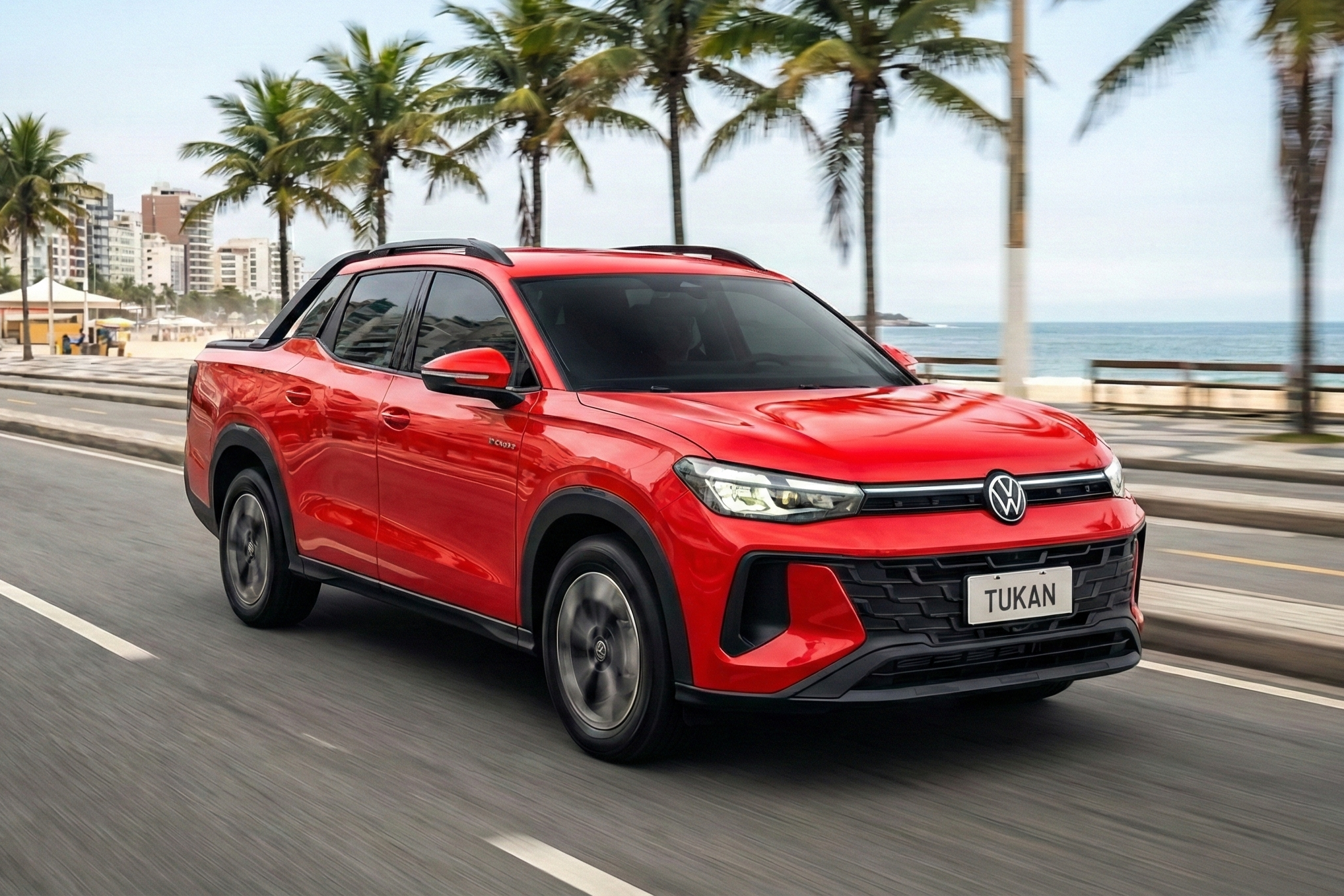
With the probable retirement of Saveiro, Volkswagen also decrees the end of the PQ24 architecture, the basis of the extinct Gol and which supported the pickup since 2010. The movement also seals the fate of the 1.6 MSI aspirated 116 hp engine. Currently exclusive to the model in the domestic catalog, the engine will no longer be offered in Brazil, remaining in production only to meet export contracts.
Launched in 1982, the Saveiro has consolidated itself as the brand’s longest-lived vehicle in activity in the country, accumulating 1.9 million units produced and a strong presence abroad, with more than 280 thousand copies shipped abroad. Currently, the pickup resists in dealerships in the Robust, Trendline and Extreme versions, all limited to the five-speed manual transmission and the two-door body — technical limitations that the new Tukan generation promises to overcome.



