The lack of filling stations and the high cost of maintenance have caused sales of hydrogen cars to plummet in Japan in the last five years
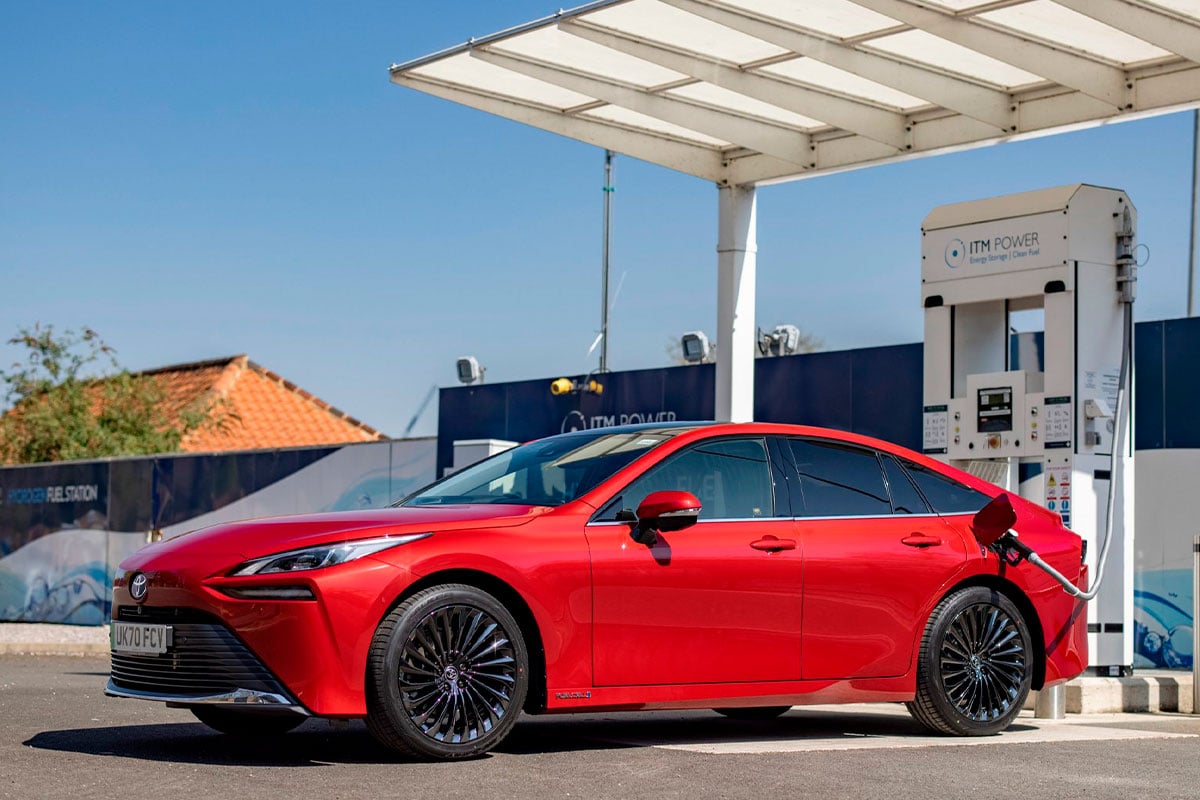
Japan has already bet big on hydrogen for passenger vehicles, but now it is witnessing a sudden change in this technology. Recent data show that sales of fuel cell vehicles (FCEV) plummeted 83% between 2021 and 2025 in the country. The sector has entered a “vicious cycle”: without cars, the stations close; Without gas stations, no one buys the cars.
Infrastructure, pointed out as the main bottleneck, is stagnant. The country currently has only 149 filling stations — less than half of the government’s goal. In practice, 90% of Japanese territory is a “desert” for those who depend on fuel. To make usability worse, most of the few existing stations close their working hours before 6 pm and do not operate on weekends, making the use of the vehicle unfeasible for the common worker.
SEE ALSO:
The economic barrier also proved to be insurmountable. The cost of building a single hydrogen station is around R$ 19 million. With a meagre average of only five daily supplies per station, the operation operates at a constant loss, driving away private investors.
Faced with this scenario, the Japanese government signaled a change of course. From April 2026, subsidies for the purchase of hydrogen cars will be drastically cut, with the budget being redirected to encourage battery electric vehicles (BEVs), which have gained global consumer preference.
The Japanese move reflects a trend of skepticism in the industry: giants such as Stellantis, Renault and General Motors have already backed down on their hydrogen programs for passenger cars. Still, some brands resist: Toyota, Hyundai and BMW maintain investments in the area, betting that the technology may still have a future, perhaps focused on heavy transport.



