ValeCard survey points to widespread rise driven by tensions in the Strait of Hormuz; Rio Grande do Sul registers biggest national jump
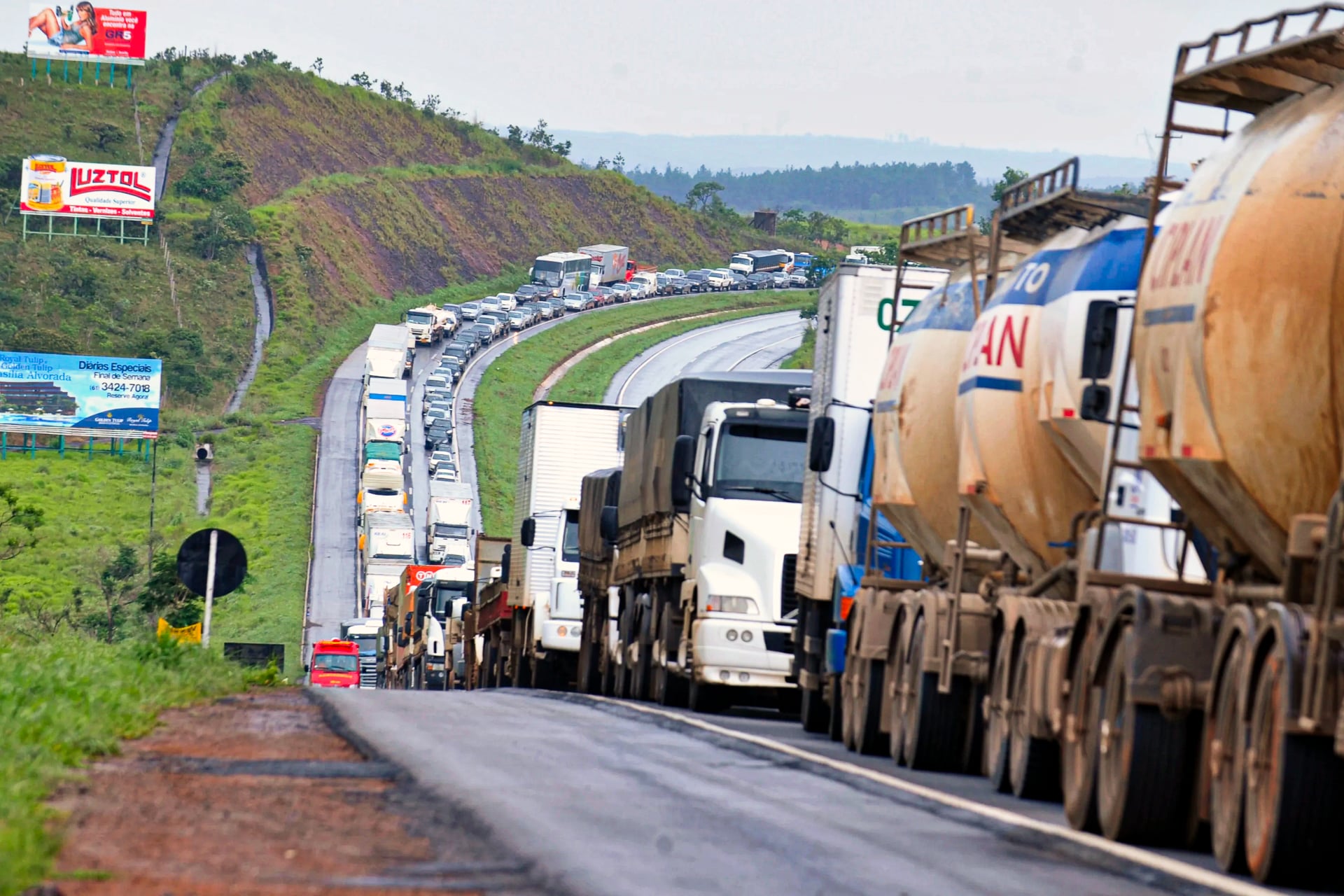
Fuel prices registered a new round of increases in March, with S-10 diesel leading the inflationary pressure in the country. According to a survey by ValeCard, fuel rose 9.26% in the national average, from R$ 6.309 to R$ 6.893. The move is a direct reflection of tensions in the Middle East and the closure of the Strait of Hormuz, the route through which about 20% of global oil flows.
According to Marcelo Braga, director of ValeCard, the escalation of the conflict has raised import costs and required adjustments to recompose price parity. The impact was felt more acutely in the South region, which concentrated the largest variations in Brazil, with increases of more than R$ 0.80 per liter in some states.
SEE ALSO:
Rio Grande do Sul recorded the highest percentage increase in the country (+13.75%), closely followed by Santa Catarina (+13.52%) and Maranhão (+13.28%). In the Southeast, São Paulo showed a consistent advance of 10.45%, with the average liter reaching R$ 6.873. At the opposite end, Amapá recorded the biggest national drop (-5.88%), with the lowest average price for diesel (R$ 6.671), while Acre maintains the highest value (R$ 7.211).
Gasoline followed the trend and rose in 26 Brazilian states. The national average price advanced 3.78%, reaching R$ 6.706. The biggest change occurred in Bahia, where the fuel jumped 9.63%. Roraima was the only Federation Unit to record a decrease in the period (-0.78%).
Ethanol, on the other hand, had a more moderate increase, of 1.30%, with a national average of R$ 4.847. Despite the contained advance, the renewable fuel lost competitiveness compared to the petroleum derivative. According to ValeCard’s methodology, fueling with ethanol is only economically advantageous in three states: Mato Grosso, Amapá and Roraima. In the others, the price ratio exceeds 70% compared to gasoline, disadvantaging the consumer.



