Project of the reborn Russo-Balt bets on indestructible bodywork and unprecedented platform to fight with giants
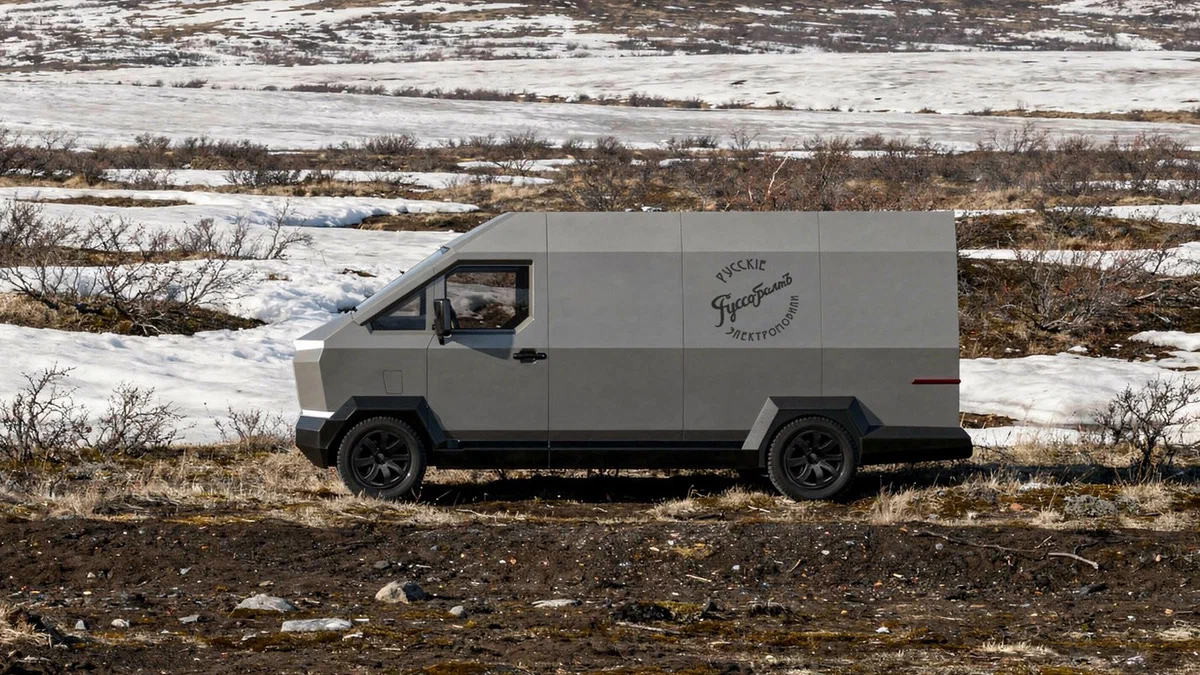
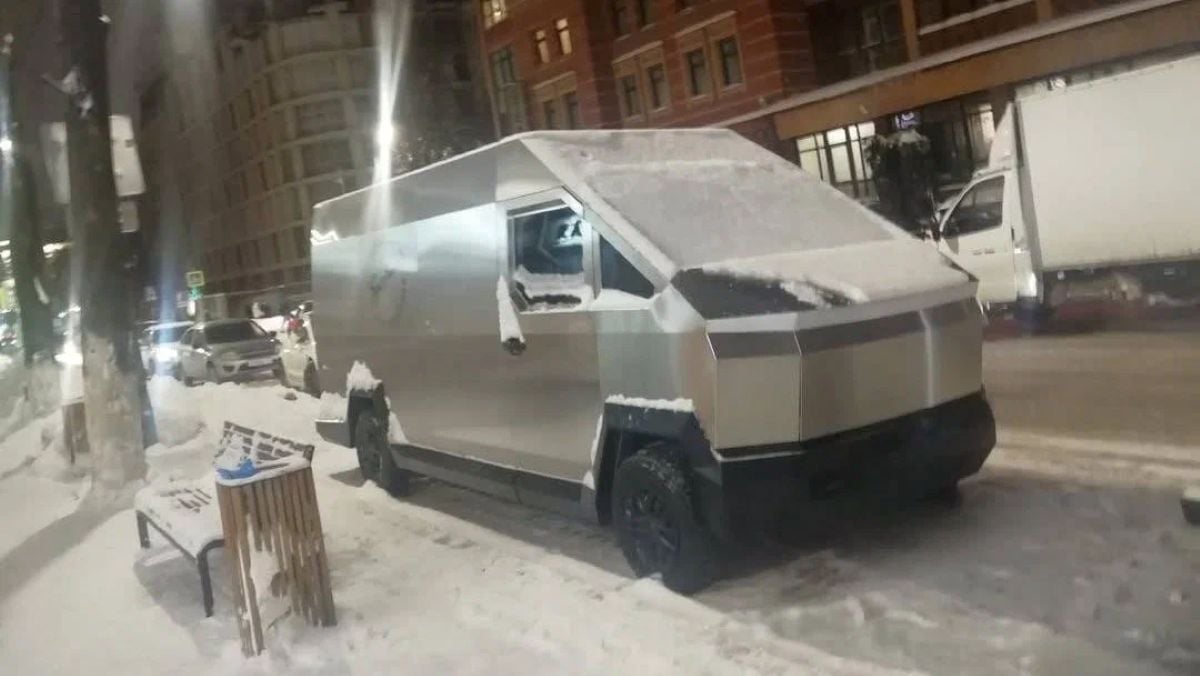
After surprising the local market with the appearance of a futuristic minibus on the streets of Russia, the reborn Russian brand Russo-Balt has confirmed ambitious expansion plans. The company, whose rights were reacquired by a local entrepreneur in 2025, has announced the development of a global electric SUV scheduled for launch in 2027. The great differential of the project is the promise of extreme durability: the manufacturer offers a 100-year warranty against body corrosion.
The definitive design of the SUV should be revealed in May this year, but the industrial strategy is already outlined. Russo-Balt does not intend to restrict itself to the Russian market, targeting exports to establish the brand as an international competitor in the segment of rugged electric vehicles.
SEE ALSO:
Aesthetically, the new SUV will follow the brutalist visual language already seen in the brand’s van, with clear inspiration from the Tesla Cybertruck. The construction will use 3 mm thick AISI 304 stainless steel panels. It is precisely the use of this material that allows the manufacturer to stipulate the secular warranty for the external structure, something unheard of in the modern automotive industry.
Under the hood — or rather, under the floor — the SUV will share the versatile independent suspension platform developed for the commercial line. The base holds vehicles up to 5.96 meters in length, although the SUV should have more contained dimensions than the microbuses in the range. The mechanical set will be formed by two electric motors that, combined, deliver 400 horsepower.
Despite the intensive use of steel and visual robustness, the project was approved so that the total weight allows driving by drivers with a category B license (passenger cars).
In addition to the “indestructible” bodywork, Russo-Balt detailed the coverage for the other components: the mechanical and electrical part will have a warranty of three years or 200 thousand kilometers. The 115 kWh battery, the centerpiece of the set, will have coverage for five years, with a useful life estimated by engineers at about 12 years.



