Created to attract investors, the electric division has lost strategic sense; 11 thousand employees will be reabsorbed by the headquarters
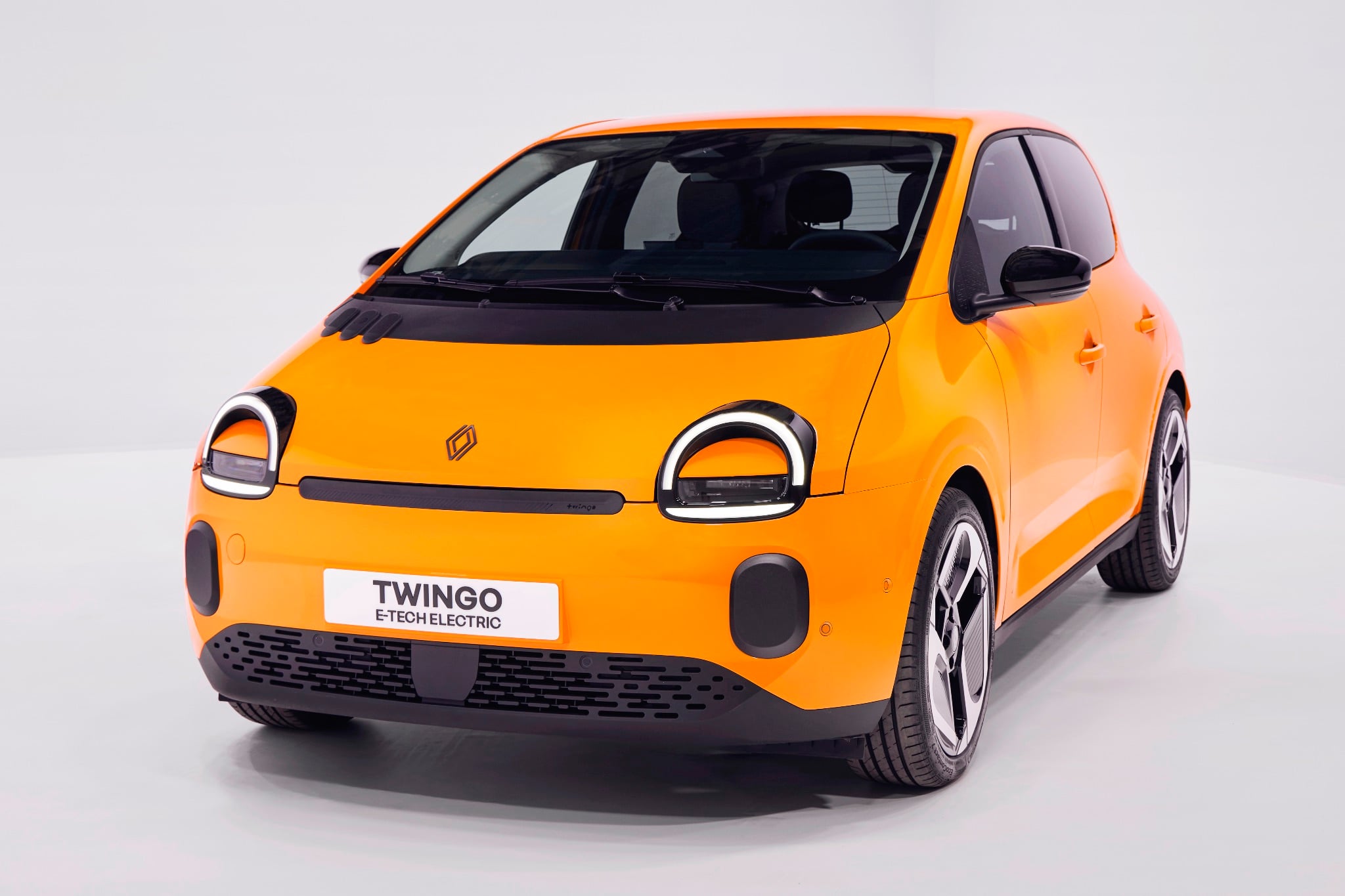
Renault’s experiment with a separate corporate division exclusively for electric vehicles has an end date. The French group confirmed the extinction of Ampere as an independent entity, with the full reintegration of operations into the parent company expected to be completed by July 2026. The decision, led by the director of operations François Provost, marks a review of the strategic route aimed at reducing structural and bureaucratic costs.
The measure reverses the movement started in 2023, when the automaker segregated its electric operations in an attempt to value the business as an internal “startup“. However, the cancellation of the unit’s Initial Public Offering (IPO) in early 2024, motivated by financial market volatility and slowing demand for electric vehicles in Europe, emptied the original purpose of the separation.
SEE ALSO:
Despite the administrative dissolution, the brand’s electrification agenda remains unchanged. The French plants in Douai, Maubeuge and Ruitz will continue to produce strategic models such as the Renault 5 and the new Scénic, as well as electric powertrains. The difference now will be in management: by eliminating Ampere as a separate legal entity, Renault removes a layer of administrative complexity.
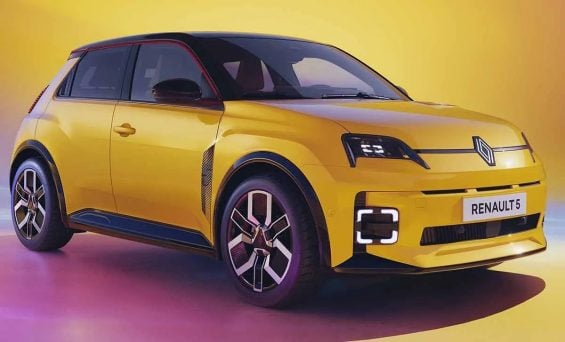
The internal assessment is that the maintenance of duplicate structures generated slowness, something incompatible with the need to compete with the agility of Chinese automakers. Without the injection of external capital that would come from the IPO, the unification of accounts and processes became the logical way to optimize cash flow.
A sensitive point of the transition was assured by the board: there will be no cuts in the staff. The approximately 11,000 employees that currently report to Ampere — including software engineers and manufacturing specialists — will be reabsorbed by Groupe Renault. The intention is to preserve the intellectual capital developed in recent years, essential for the next phases of electrification.
With the “house in order” and under unified control, Renault hopes to gain speed in decision-making, focusing resources on the final product instead of consuming energy in the management of two separate companies.



