Under Pan Liqi's management, Porsche will reduce its Chinese network to just 80 stores by the end of 2026 to cut costs
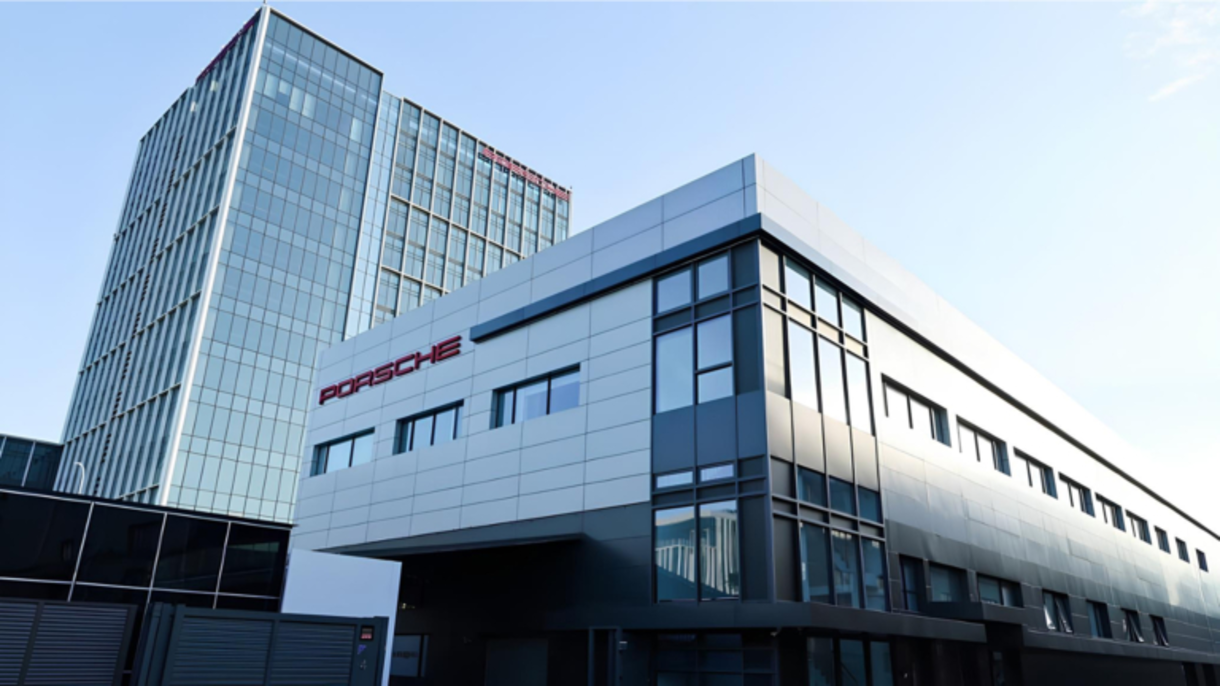
Porsche has announced a drastic restructuring of its network of operations to face a financial and sales crisis in China. Under the leadership of CEO Pan Liqi, the German automaker plans to close 30% of its dealerships to reduce operating costs. In this way, the company aims to redirect its saved capital to research and development, seeking to regain technological competitiveness in a market dominated by local brands.
SEE ALSO:
The scenario for Porsche in Chinese territory is challenging. In just three years, the automaker’s sales fell by 56.2%, going from 95,671 units in 2022 to just 41,938 in 2025. This setback generated a series of logistical and financial difficulties for the chain:
In addition, the company must invest in smart driving. Porsche is looking for local suppliers for autonomous driving solutions and advanced software.
To try to reverse the situation, Porsche will add two new models to its lineup by the end of 2026, including B- and D-segment crossovers with combustion variants and plug-in hybrids. This short-term strategy targets the quality of the operation rather than gross sales volume, which signals an expectation of a further drop in numbers as the brand recalibrates its products to Chinese consumer demand.
Even in crisis, CEO Pan Liqi has formally denied any plans to build a local factory or nationalize production in China. Porsche intends to maintain its status as an imported luxury brand, focusing on technological modernization and the efficiency of its service network.



