Opel's SUV based on Leapmotor's platform aims to reduce costs and accelerate production in Spain; model should succeed the Mokka from 2028
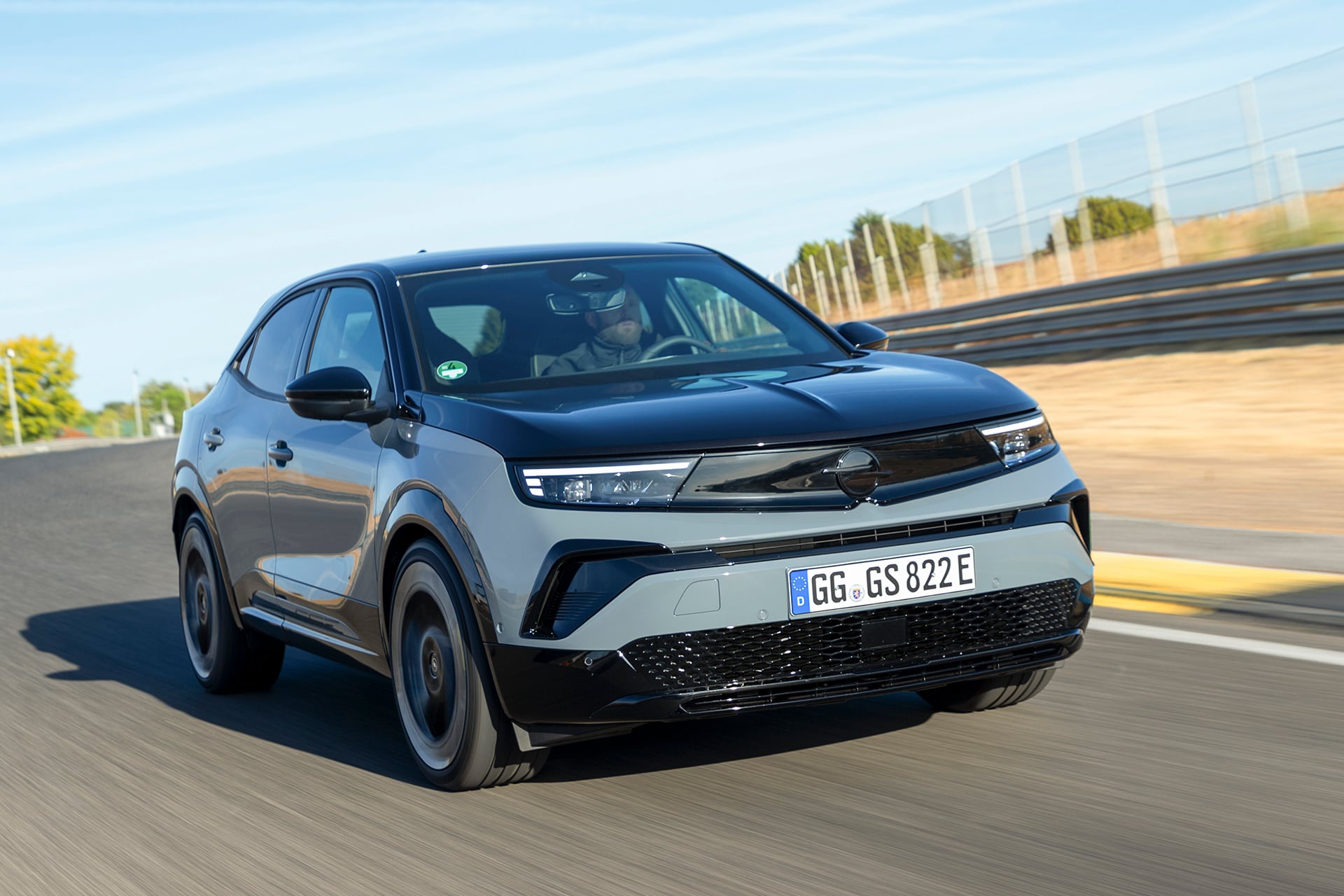
Stellantis has decided to delegate the technical development of a new electric SUV to Opel to China’s Leapmotor, signaling a paradigm shift in the group’s engineering. According to the Motor.es website, the project, which should succeed the current Opel Mokka, will be based on the platform of the recently presented Leapmotor B10. The strategy aims to reduce costs and shorten the time to market in a European market pressured by the offensive of Asian brands.
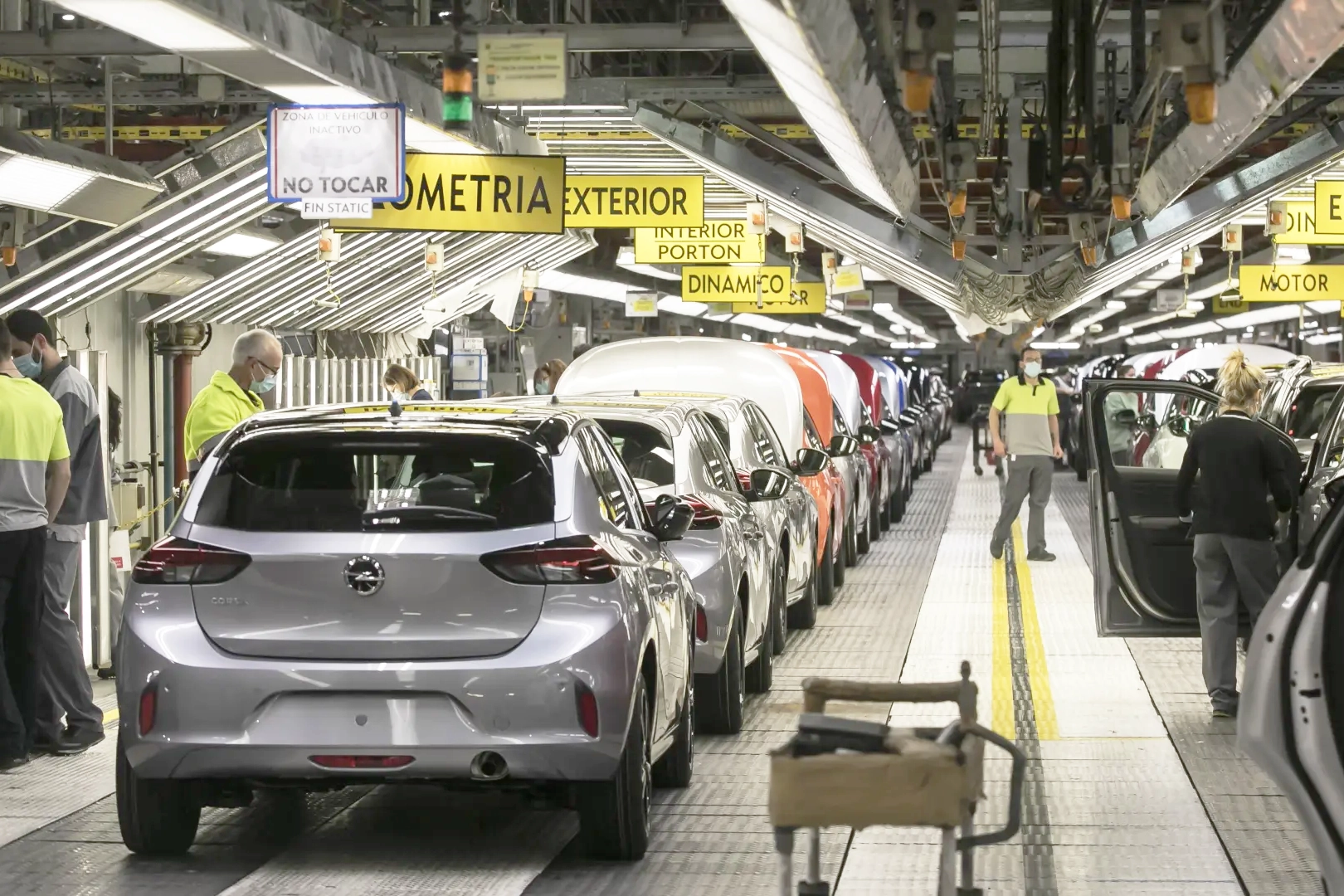
The model will be produced at the Figueruelas plant in Zaragoza, Spain, from 2028. The unit is already responsible for assembling high-volume vehicles, such as the Opel Corsa and the Peugeot 208, and will become part of the ecosystem of the Leapmotor International joint venture . The initial estimate points to an annual production of 50 thousand units, consolidating the Spanish plant as a hub for affordable electric vehicles of the group.
SEE ALSO:
The partnership took shape in 2023, when Stellantis acquired 20% of Leapmotor, ensuring control of exports and manufacturing outside China. By using the Chinese partner’s “B” architecture, Opel hopes to offer a competitive product against rivals such as BYD, while maintaining only the design and dynamic tuning with German identity. The move is seen by analysts as an admission that the agility of Chinese manufacturers in software and batteries is currently difficult to beat by traditional Western structures.
Although the project is still awaiting detailed official confirmation in the coming months, the factory integration in Zaragoza is already taken for granted. The new SUV is expected to share assembly lines with the original Leapmotor B10, taking advantage of economies of scale to position the future Opel in a more aggressive price range. The decision reinforces former CEO Carlos Tavares’ analysis of “collaborating rather than competing” with the Chinese to ensure the survival of historic brands in the era of electrification.



