Created to give fluidity to cars, one-way streets increase routes, harm local stores and increase risk to pedestrians, say new studies
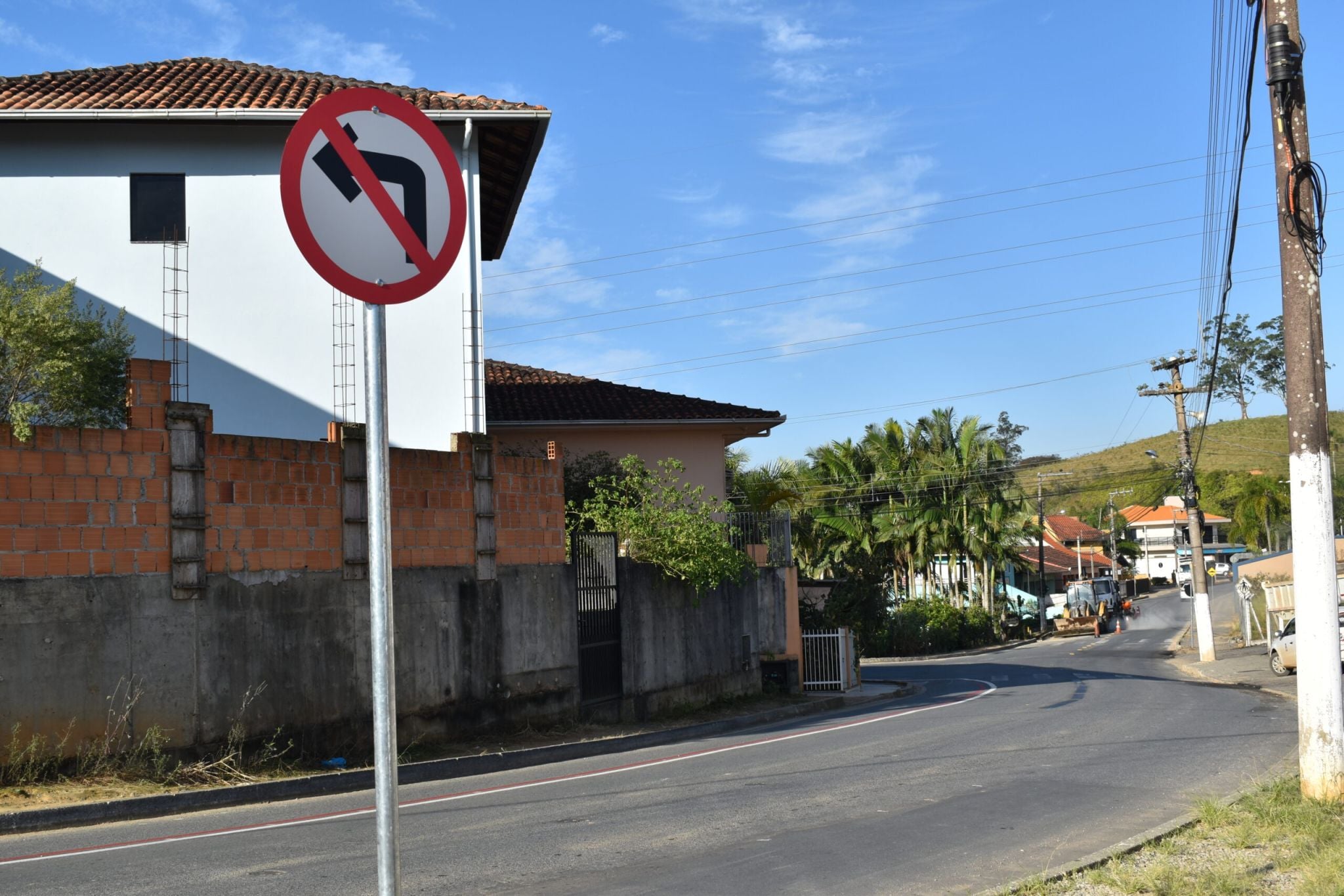
One-way streets, long considered the standard solution for urban traffic, are being reviewed by mobility experts. Massively implemented in the United States in the 1950s to deal with the automobile boom , these routes are now pointed out as potentially causing more problems than solutions.
The main argument in favor of the model — fluidity — has been contested. A study of San Francisco’s road system has revealed that two-way streets can be faster. On one-way streets, drivers often have to take long turns, adding the equivalent of three extra blocks per trip. This increase in travel generates frustration, increases emissions of polluting gases and worsens the congestion it promises to avoid.
SEE ALSO:
The economy of cities also suffers from the measure: the high speed of vehicles and the restriction of the field of vision drastically reduce the visibility of businesses. When Vine Street in Cincinnati (USA) went one-way, reports indicated the closure of up to 40% of local small businesses. With traffic designed only to drain cars quickly, street retail loses potential customers and revenue.
Safety, however, is the most alarming point of the model. This road design increases the need for turns at intersections by up to 160%, multiplying the dangers for those who walk. In New York, a survey showed that 70% of run-overs involving left turns occurred on one-way streets. The absence of oncoming traffic also indirectly encourages excessive speed, which reduces drivers’ peripheral vision and strengthens the global defense for the return of two-way traffic.



