Anfavea study projects a critical scenario if Brazilian factories are limited to assembling imported kits, reducing revenue and technology
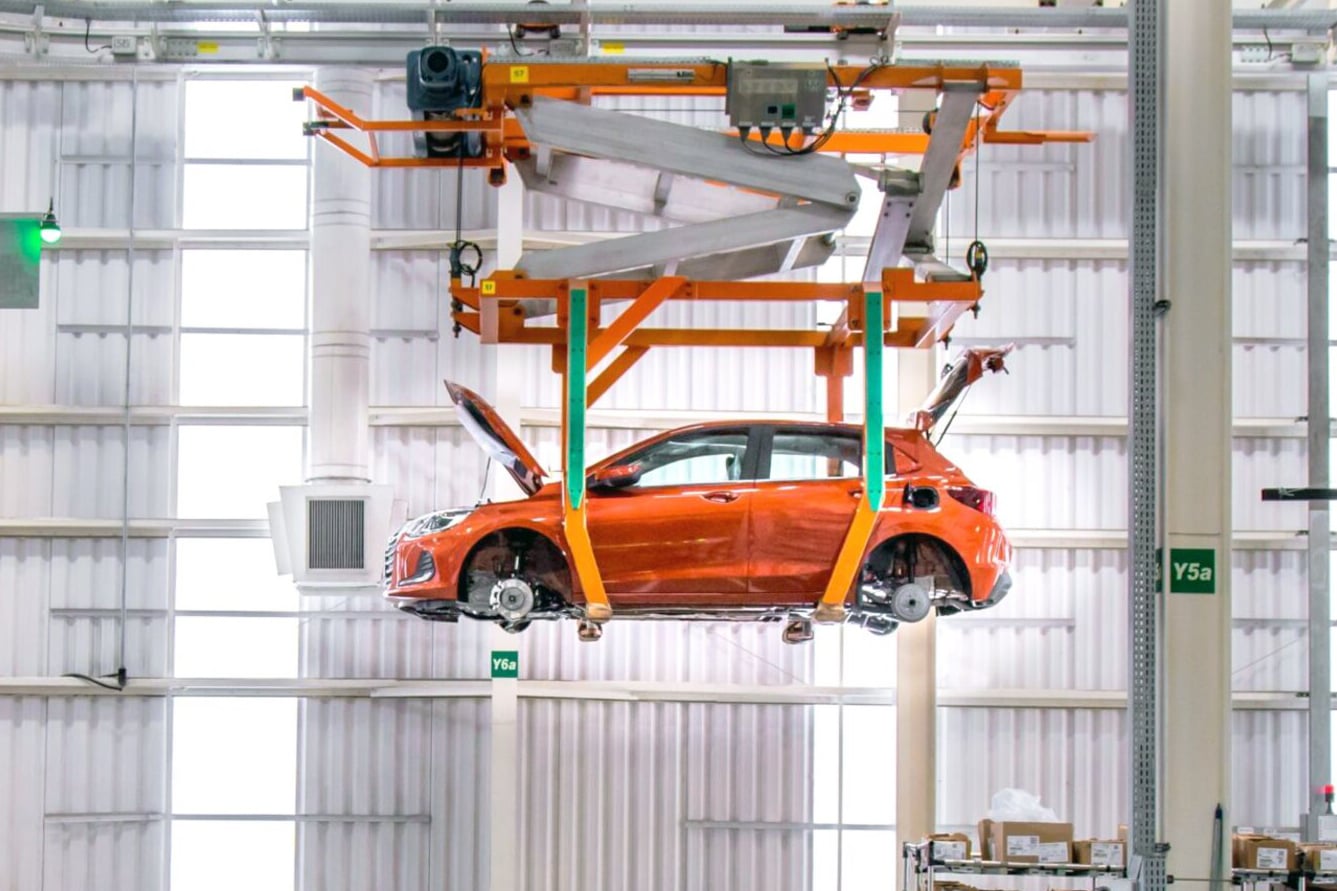
The National Association of Automotive Vehicle Manufacturers (Anfavea) issued a strong warning about the risks of expanding the vehicle assembly model via imported kits (SKD and CKD) in Brazil. For the entity, the danger does not lie in the transitory use of this regime, but in the perpetuation of tax incentives without the counterpart of local content, which could reduce the complexity of the national industry.
The association’s projection outlines a critical scenario: if full-time production were replaced by these simplified operations – converting factories into mere assemblers of foreign parts – the sector could lose 69 thousand direct jobs, equivalent to 75% of the current workforce. In the supply chain, the impact would eliminate another 227 thousand jobs. The study also estimates a collapse of R$ 103 billion annually in the purchases of national auto parts.
SEE ALSO:
The ripple effect would affect public accounts, with a forecast of a drop of R$ 26 billion in the collection of ICMS and PIS/Cofins, in addition to a retraction of R$ 42 billion in exports of light vehicles.
The technical discussion involves the degree of dismantling. In the SKD (semi-knocked down) regime, the car arrives in large pre-assembled modules. In CKD (completely knocked down), the parts come separately, requiring welding and local painting. The controversy intensified after the MDIC authorized 15 automakers to import electrified kits with a zero tax rate for six months. The list benefits from traditional brands, such as Audi and Toyota, to Chinese BYD and GWM.
In practice, BYD operates under the SKD regime in Bahia as a transition stage, while GWM maintains activities in Iracemápolis. Anfavea is pushing for the end of the benefit in January, as previously signaled by the government.
Igor Calvet, president of the entity, argues that the prolonged incentive compromises industrial density. “The problem is to maintain benefits without a requirement of national value,” he says. The association maintains that the installed industry, supported by R$ 190 billion in recent investments (Rota 2030 and Mover programs), runs the risk of losing competitiveness to low value-added operations that are tax-incentivized.



