The end of production of the Nissan Versa in the U.S. marks the end of new vehicles under $20,000, forcing consumers to turn to the used market
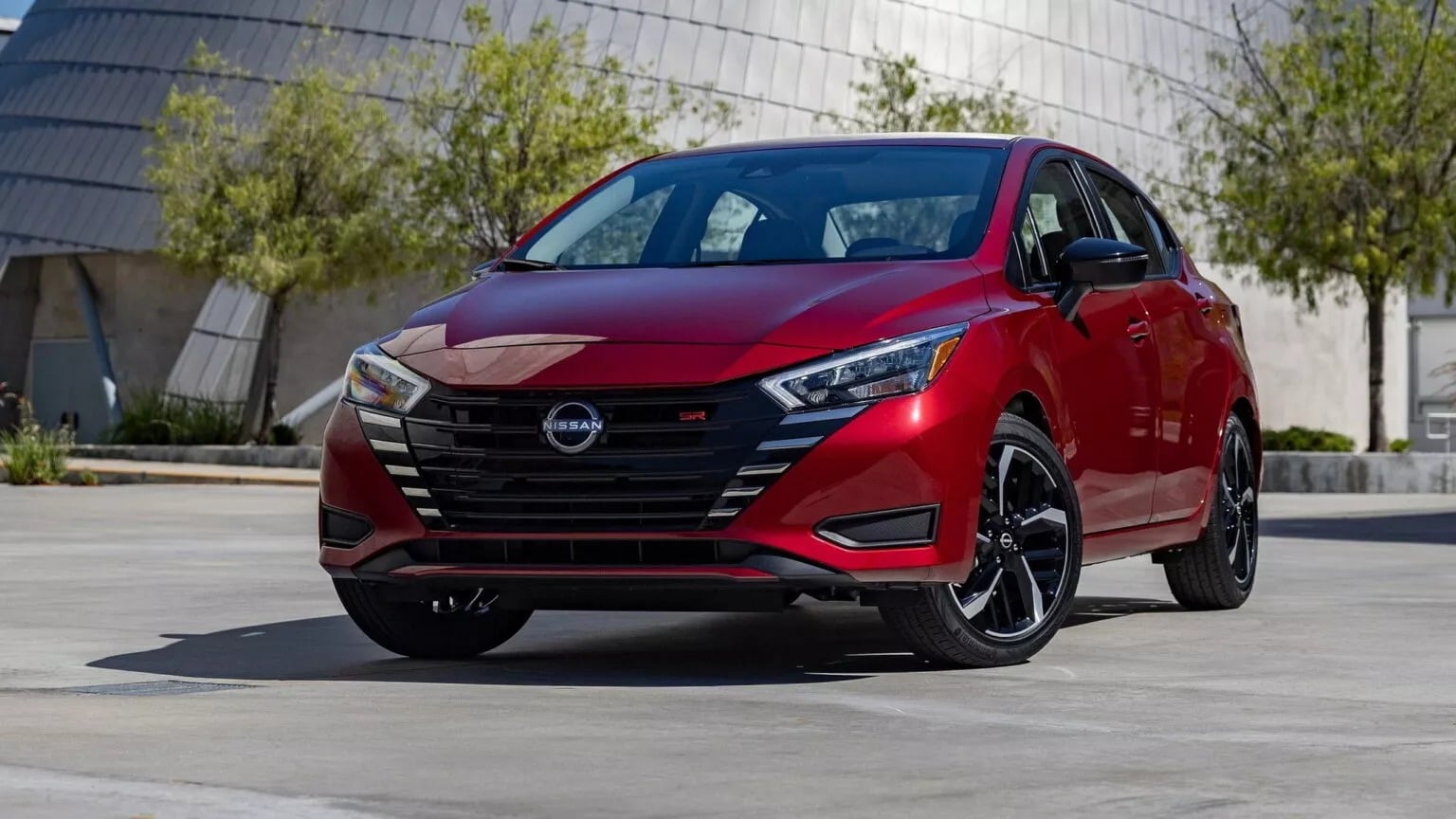
The U.S. auto industry has reached a symbolic — and costly — milestone for the consumer. With the end of production of the Nissan Versa for the North American market, the last zero-kilometer car sold in the country for less than US$ 20 thousand (about R$ 116 thousand in direct conversion) is discontinued. The decision consolidates a structural change in the sector, transforming affordable mobility into an item of scarcity.
SEE ALSO:
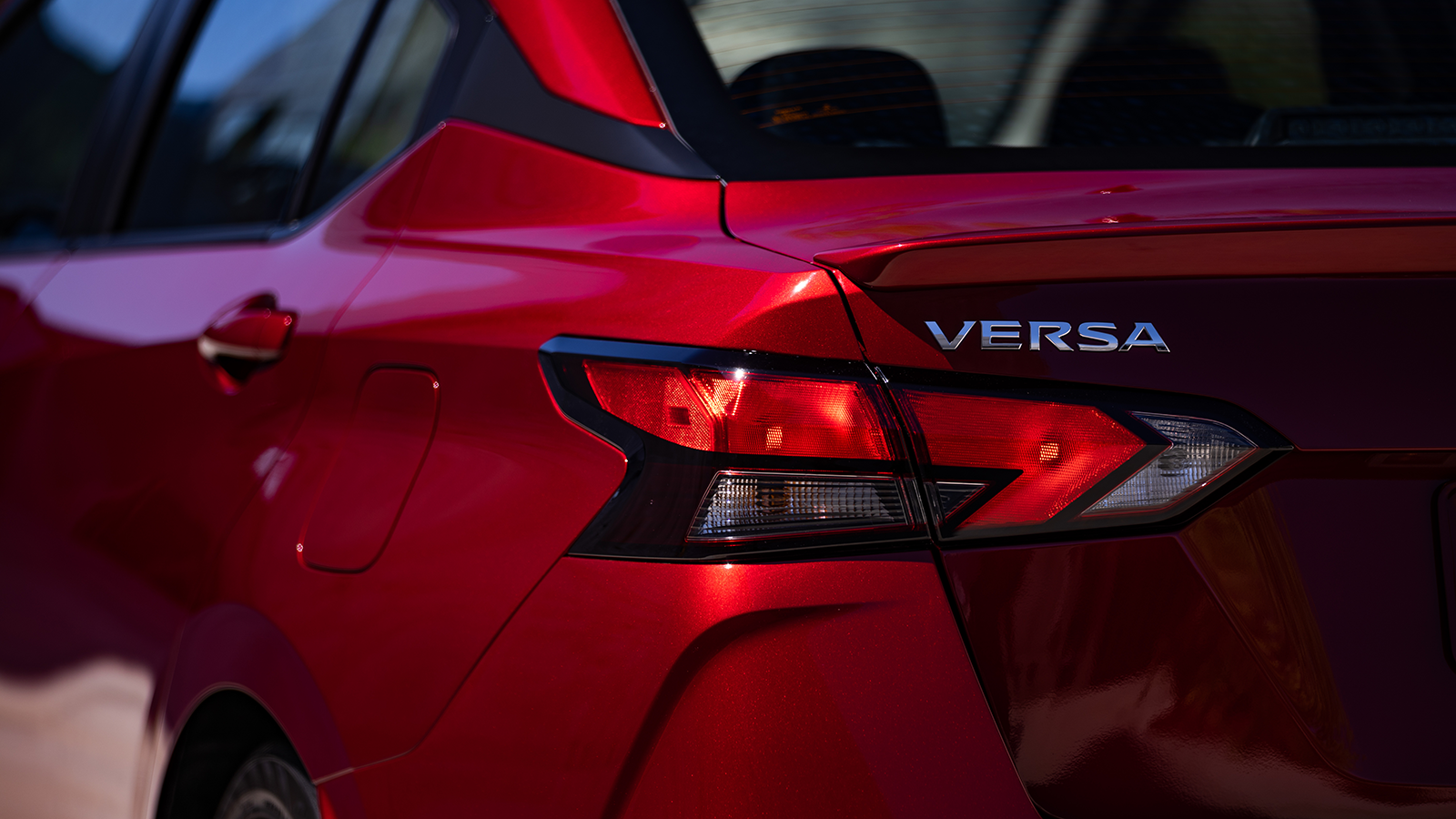
The demise of the Versa, which started at $17,190, creates an immediate vacuum in the price list. The position of “cheapest” vehicle in America is now occupied by the Hyundai Venue, a compact SUV whose initial value jumps to US$ 21,495 (approximately R$ 125 thousand). If the preference is for a sedan, the most affordable option now is the Kia K4, which starts at US$ 23,145.
In practice, the lower-income consumer is pushed into the used market or forced into longer financing. Nissan’s strategy follows the logic of prioritizing profit margins over volume. In the US, the brand is now focusing on the Sentra medium sedan and the Kicks SUV — the latter, although it is the brand’s new gateway, will have significantly higher prices than the extinct Versa.
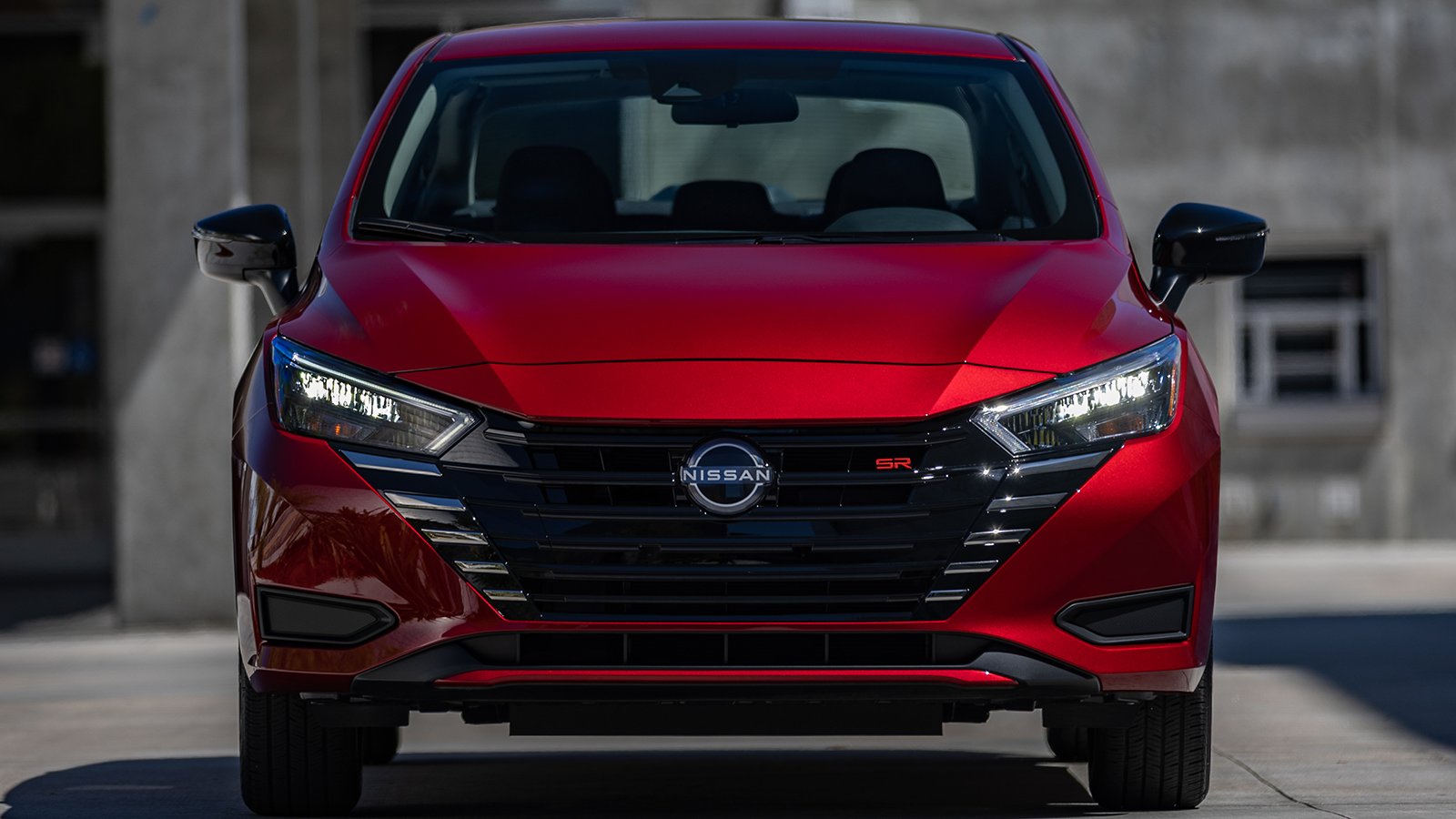
Although the Versa continues to live in emerging markets, with a new generation planned for Latin America (including Brazil), its import to the US has become unfeasible. In addition to the low profitability of compact cars, the political scenario weighs on the decision.
The threat of 25% tariffs on products imported from Mexico and Canada, proposed by the Trump administration, makes it risky to maintain entry models with such narrow margins. The result is an increasingly elite American market, where the new car under $20,000 is no longer a commercial reality but a museum piece.



