TailorFit material aligns its fibers to the spacing of fingerprints, promising luxury, durability and more competitive costs in cabins
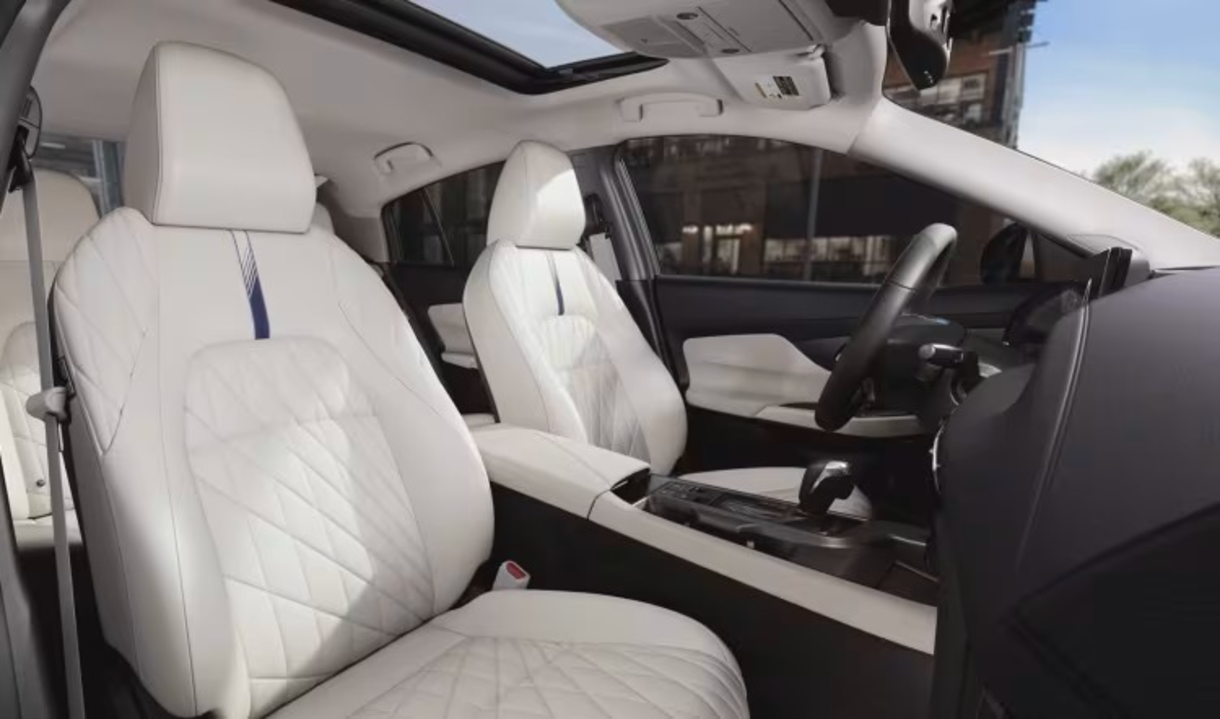
Nissan now incorporates TailorFit into its 2026 lineup, an unprecedented polyurethane-based synthetic material, developed to reproduce the softness and appearance of high-end genuine leather. The technological innovation was conceived with the aim of overcoming the limitations of conventional coatings and solving historical impasses associated with the use of animal leather in the automotive industry, such as excessive weight, high production costs and degradation over the years.
In the automotive market, the passenger compartment is the environment with which the consumer establishes the most intimate and lasting relationship. Aware that the driver lives daily with the wear and tear of the cabin, the automaker’s engineering designed the TailorFit in a meticulous way. The material has the spacing of its fibers geometrically equalized with the distance of the grooves of human fingerprints. This rigor results in superior tactile smoothness.
SEE ALSO:
In addition to the superior level of comfort, the TailorFit stands out for its longevity. Synthetic material has a much higher resistance to wrinkles, creases and fading caused by sunlight than natural leather. As an additional benefit in the production chain, the technology is substantially lighter and reduces waste in the factories, which guarantees a strict quality standard among the assembled units.
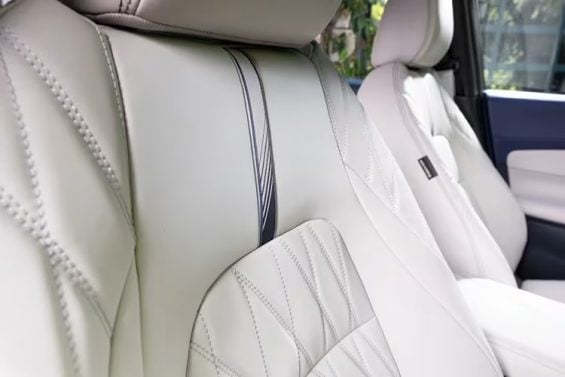
In practice, Nissan already applies the advanced coating to models such as the Sentra SL 2026, Pathfinder SL, Armada SL and the upper configurations of the electric Leaf. Luxury is not restricted to the main brand: the premium subsidiary Infiniti has also adopted the component in its SUVs, such as the QX60 and QX80.
Competing automakers, such as Sweden’s Volvo, adopt a similar stance by introducing Nordico — a compound structured with recycled textiles — in addition to linen panels.



