Residents of buildings in SP now have legal support to install stations in private parking spaces, as long as technical standards are respected
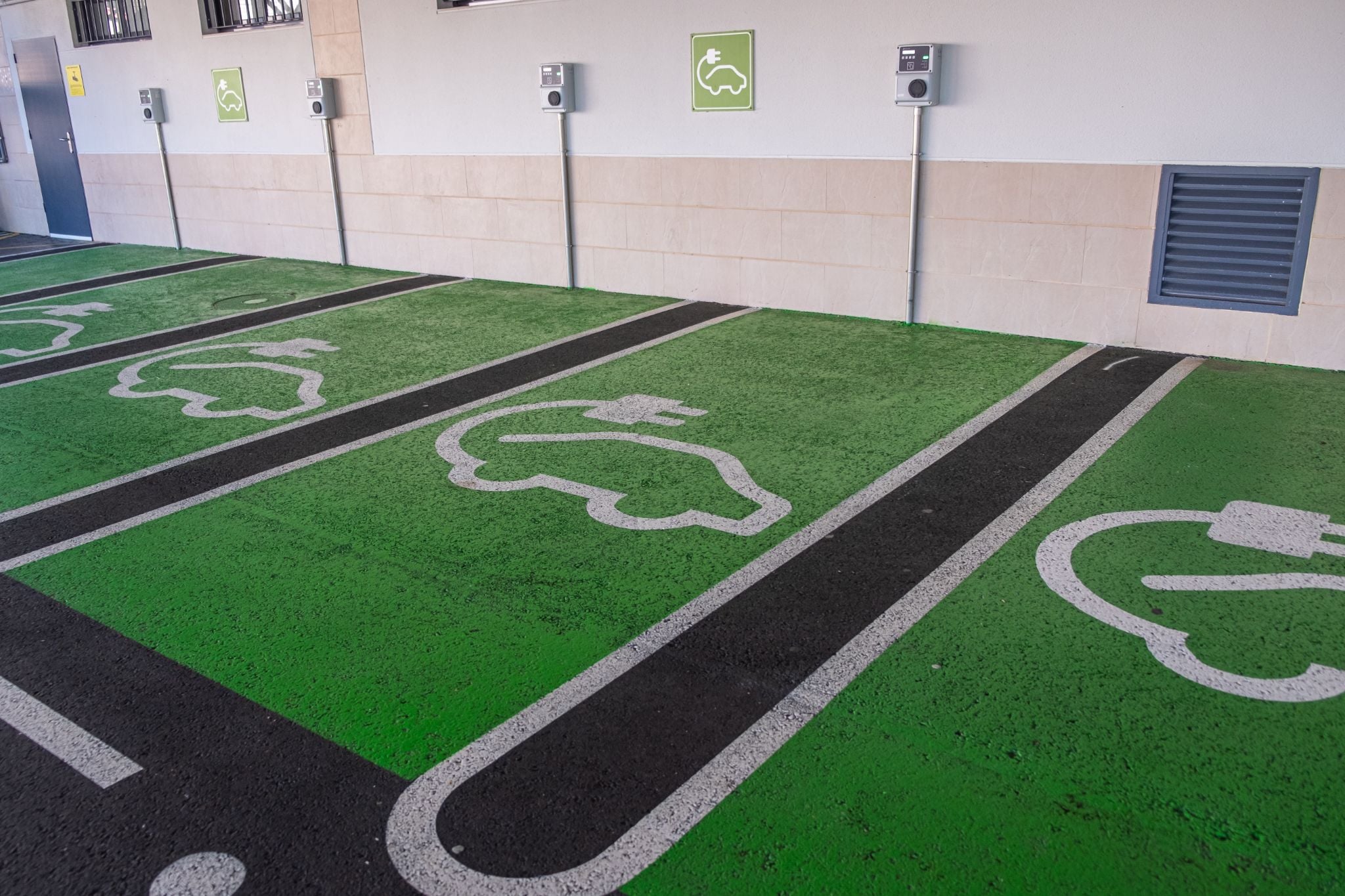
The governor of São Paulo, Tarcísio de Freitas, sanctioned on Thursday (19) the law that guarantees residents of residential and commercial buildings the right to install charging stations for electric and hybrid vehicles in their private parking spaces. The measure puts an end to one of the main bottlenecks of electric mobility in the state: the arbitrary prohibition of these infrastructures by managers and condominium assemblies.
Published in the Official Gazette as Law 18.403/2026, the new legislation determines that condominium conventions can no longer prevent the installation of chargers (known as wallboxes) without a technical or safety justification duly proven by a report. If the condominium denies the request without cause, the resident gains legal support to file a lawsuit with the competent public agencies against the discriminatory practice.
SEE ALSO:
The guarantee of the right, however, is accompanied by strict requirements for the owner of the electric vehicle. All costs related to infrastructure, installation and energy consumption must be fully borne by the resident, and it is expressly forbidden to share the electricity bill of the recharge with the other condominium owners.
For the work to be approved, the resident needs to prove that the installation respects the electrical capacity of the building and the standards of the local distributor. It is mandatory to hire a qualified professional, with the issuance of a Technical Responsibility Note (ART) or equivalent, in addition to prior communication to the administration. The condominium, in turn, maintains the prerogative of defining the aesthetic standards and the cabling paths in the common areas.
The law also anticipates the energy transition in the real estate sector by requiring that new projects, approved as of the effectiveness of the text, are already born with minimum electrical capacity to support future stations. The governor, however, vetoed the article of the original bill, authored by deputies Marcelo Aguiar and Antonio Donato, which provided for the creation of state tax incentive programs and credit lines to finance the facilities.



