Bill wants to oblige automakers to include the factory accessory to avoid being run over in cases of flat tires or breakdowns on the highway
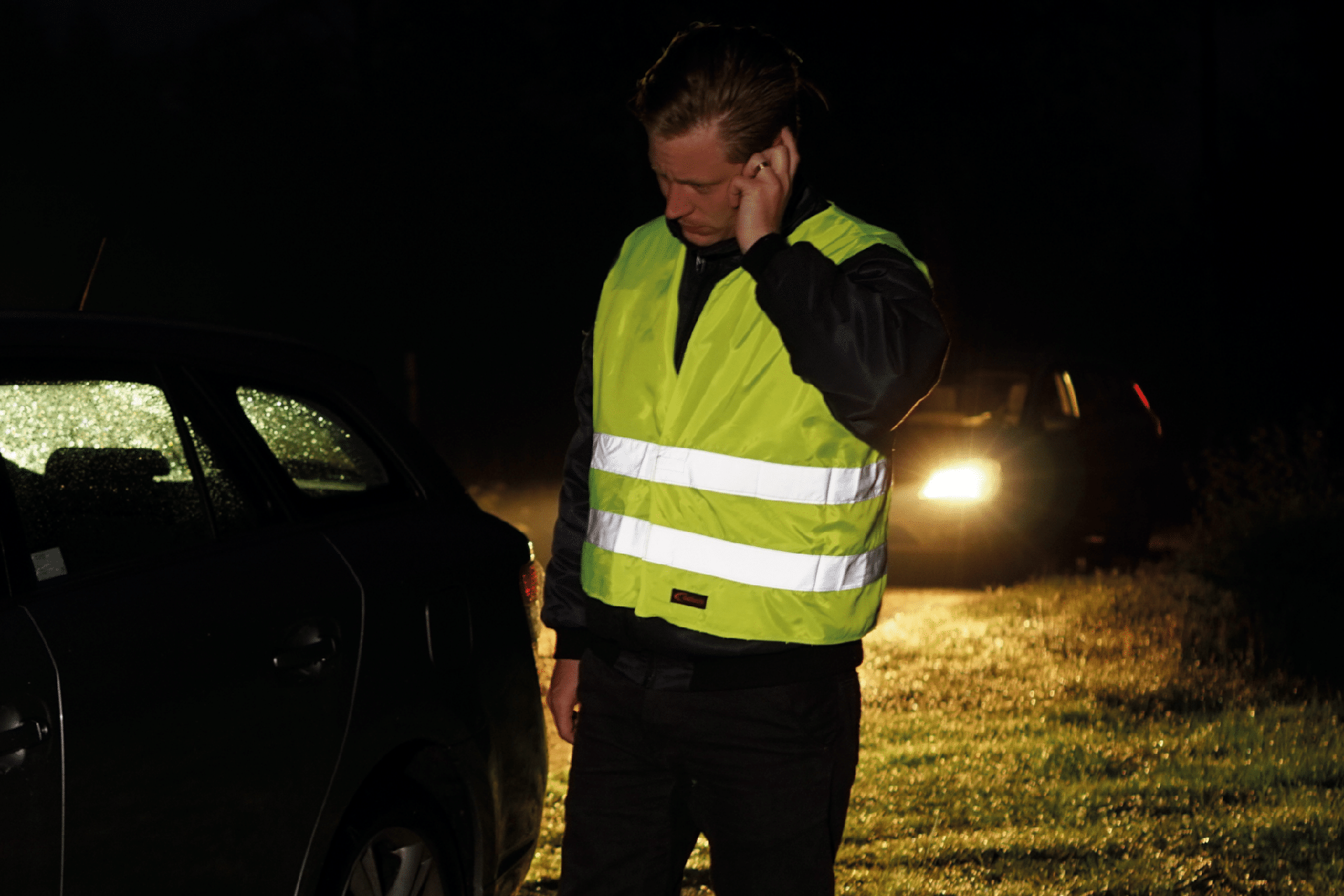
A new bill in progress in the Chamber of Deputies may change the safety requirements for Brazilian drivers. PL 282/2026 proposes to include the retroreflective safety vest in the list of mandatory equipment for new motor vehicles, in addition to determining its immediate use whenever there is a need to immobilize the car on public roads.
Authored by Deputy Defensor Stélio Dener (Republicanos-RR), the proposal changes guidelines of the Brazilian Traffic Code (CTB). The text establishes that both the driver and passengers must wear high-visibility equipment when disembarking from the vehicle in atypical situations, such as mechanical or electrical breakdown, accidents, lack of fuel, tire change or any other emergency. The requirement is gaining strength especially on highways, rapid transit roads and stretches with low light, where the risk of serious roadkill is substantially higher.
SEE ALSO:
If approved under the current terms, the measure will determine that all vehicles manufactured from 12 months after the publication of the law already leave the factory equipped with at least one unit of the vest. However, the obligation will not have a retroactive effect for the fleet already in circulation in the country. It will be up to the National Traffic Council (Contran) to regulate the rule, defining technical criteria for the material and any exceptions.
In the justification presented in the text, the parliamentarian argues that a significant portion of fatal accidents occur precisely during emergency stops. In these circumstances, people on the side of the road or on the road become vulnerable targets because they are not seen in time by other drivers.
The proposal is mirrored in consolidated international experiences, citing countries such as Chile, where the reflective vest is already required by law with positive results in the preservation of lives. The project is being processed in a conclusive manner and will be analyzed by the Traffic and Transport and Constitution and Justice (CCJ) committees before going to the Senate.



