Bill provides for the installation of an intelligent system in the vehicles of drivers convicted of serious speeding or reckless driving
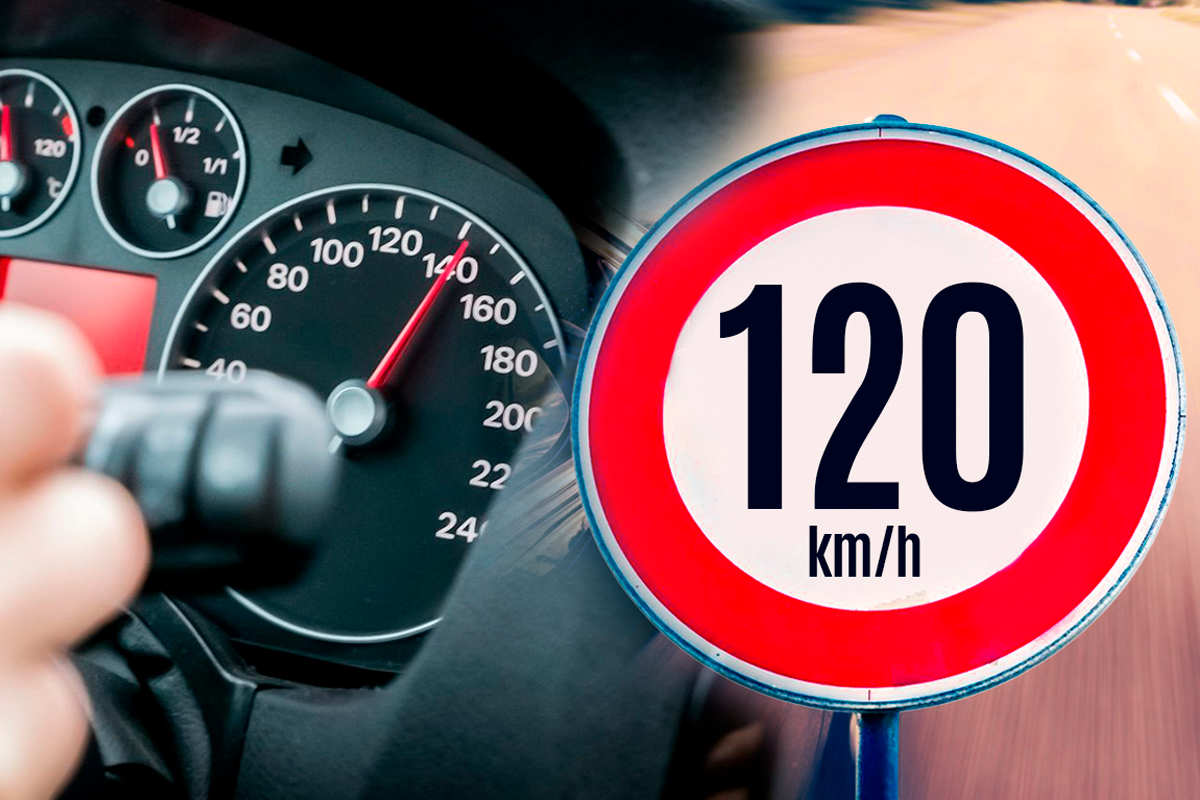
The Illinois General Assembly is considering a bill that could force drivers convicted of serious speeding to install an electronic limiter system in their vehicles. The proposal comes on the heels of similar legislation recently signed into law in Virginia, signaling a new punitive trend in U.S. traffic to curb reckless driving.
The bill, introduced by State Representative Anne Stava-Murray, targets drivers caught more than 26 miles per hour (about 42 km/h) above the allowed limit, which is a misdemeanor in the state. The measure provides for the mandatory installation of the Intelligent Speed Assistant (ISA), a technology that works in an analogous way to ignition breathalyzers: the driver would have the suspension of the license maintained until he accepted the electronic monitoring of the vehicle to return to driving.
SEE ALSO:
Unlike breathalyzers, which block the engine from starting in case of drunkenness, ISA uses GPS geolocation data and signal recognition cameras to monitor road limits in real time. If the system detects that the driver is trying to accelerate beyond what is allowed, it intervenes by restricting engine power or emitting persistent audible alerts. The monitoring program would last from one to three years.
Although supporters of the measure argue that the system is more effective for road safety than a simple driving ban, the proposal faces criticism regarding privacy. To mitigate these fears, the Illinois text states that any location data collected by the device must be deleted within 90 days.
In Virginia, the measure has already become law after Governor Glenn Youngkin signed into law, focusing on offenders convicted of speeding above 160 km/h. In Illinois, if approved, the rule should take effect in January 2028. The debate anticipates a global change, as the European Union already requires new vehicles to leave the factory equipped with versions of this technology since 2024.



