The French prototype reached a historic mark on the highway maintaining an average of 102 km/h, proving that efficiency and reality can go together
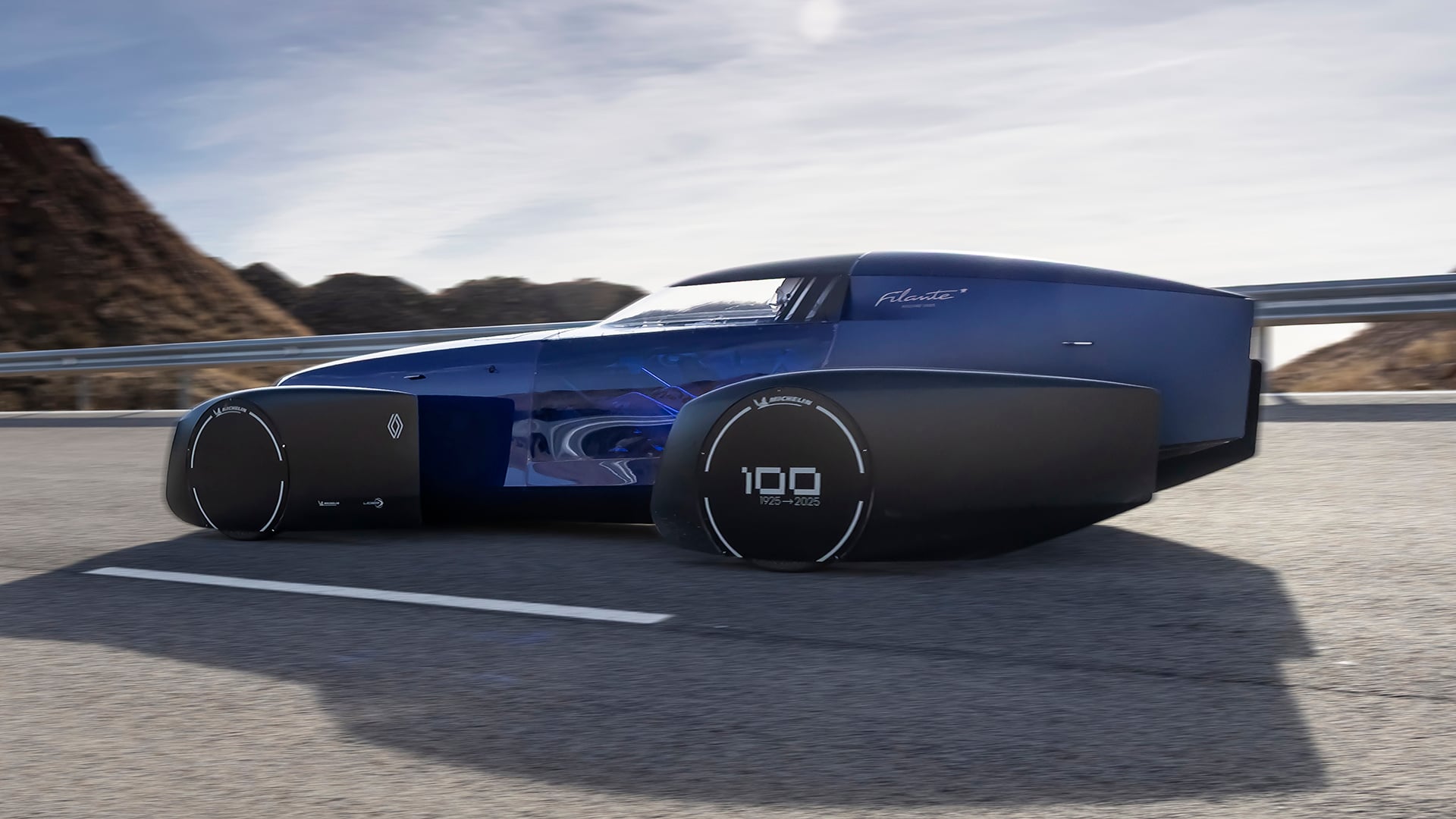
Renault ends 2025 by setting a new technical benchmark for electric mobility. The Renault Filante Record prototype completed a 1,008 km road test on a single charge, but the most relevant data for the industry is not the total distance, but the condition of the test. Unlike records obtained at controlled low speeds, the brand sustained an average of 102 km/h, simulating real road use conditions.
SEE ALSO:
The project acts as an engineering laboratory and a historical tribute. The Filante Record celebrates the centenary of the 40 CV des Records (1925) and makes reference to the experimental Étoile Filante (1956). To achieve the proposed efficiency, the weight was contained at just 1,000 kg, made possible by a carbon chassis developed in partnership with motorsport specialist Ligier and the use of Michelin ultra-low rolling resistance tires.
The central innovation, however, lies in energy management. The vehicle does not use experimental high-density batteries; it uses the same 87 kWh package that equips the series-production Scenic E-Tech. The result was an energy consumption of just 12.8 km per kWh – almost half the consumption of an average electric SUV today.
To achieve this milestone, engineering eliminated traditional mechanical connections in the steering column and brake system, reducing parasitic drag and unsprung mass. The body design prioritized the absolute aerodynamic coefficient, molded to “pierce” the air with as little turbulence as possible.
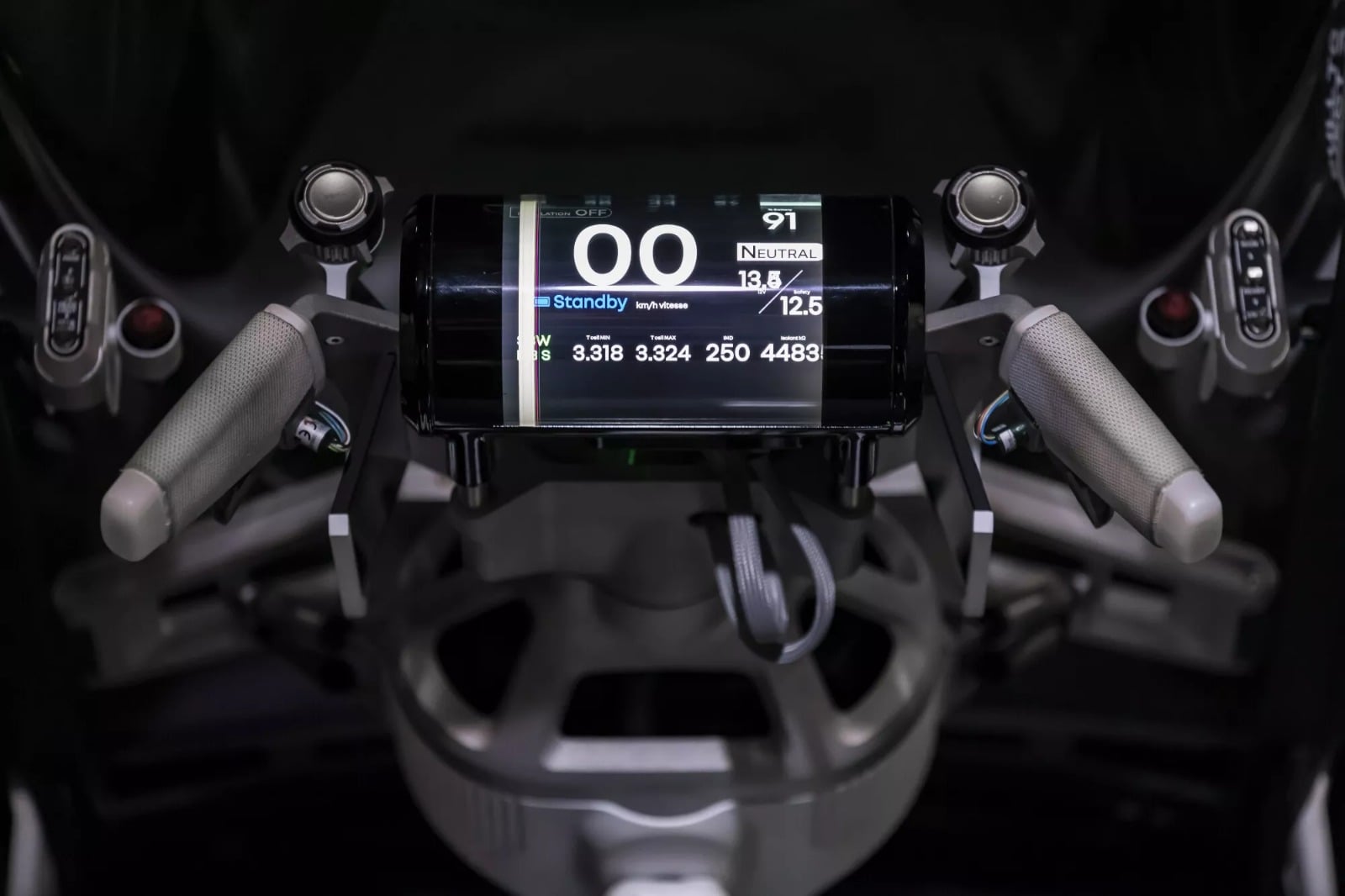
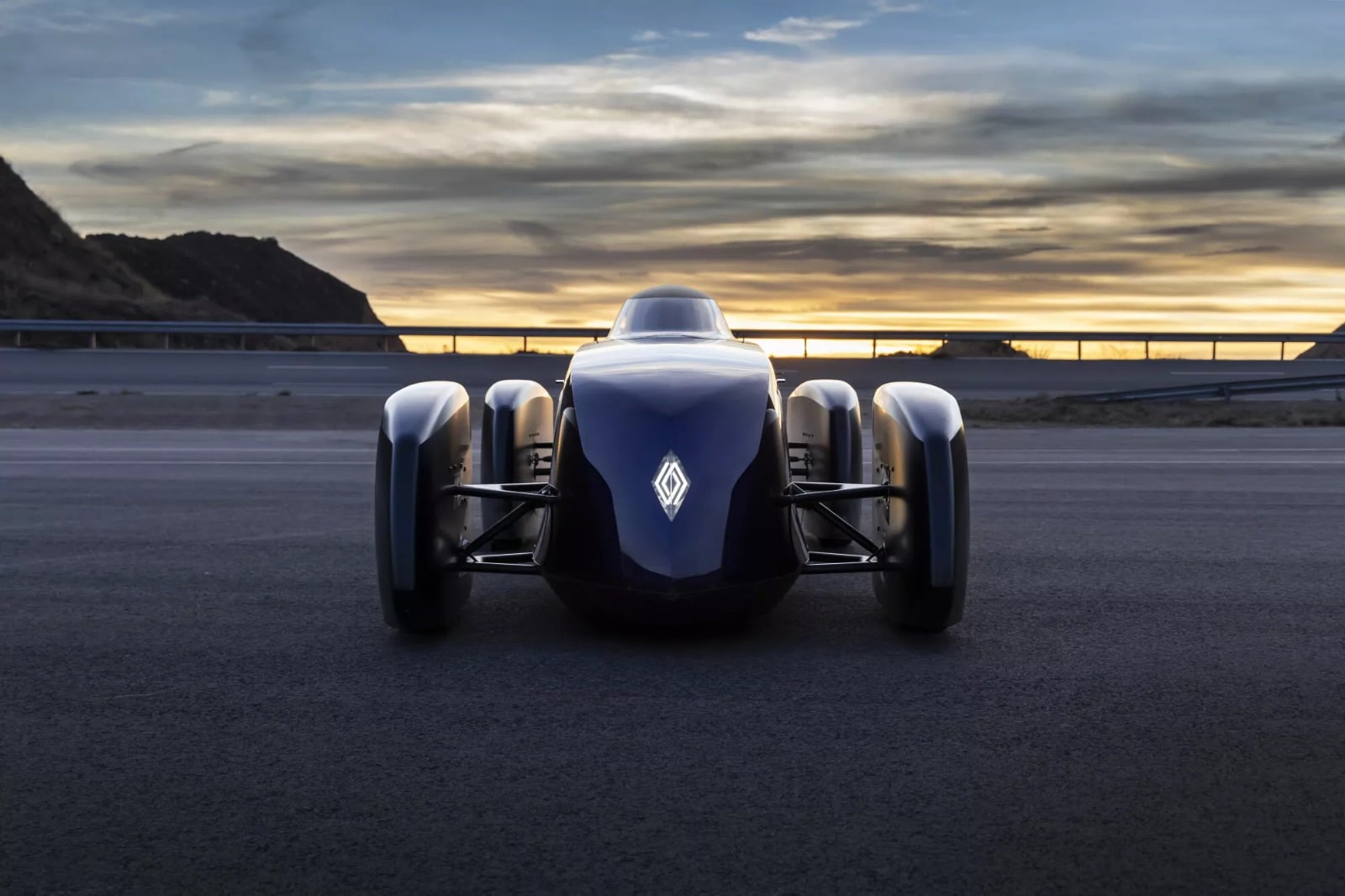
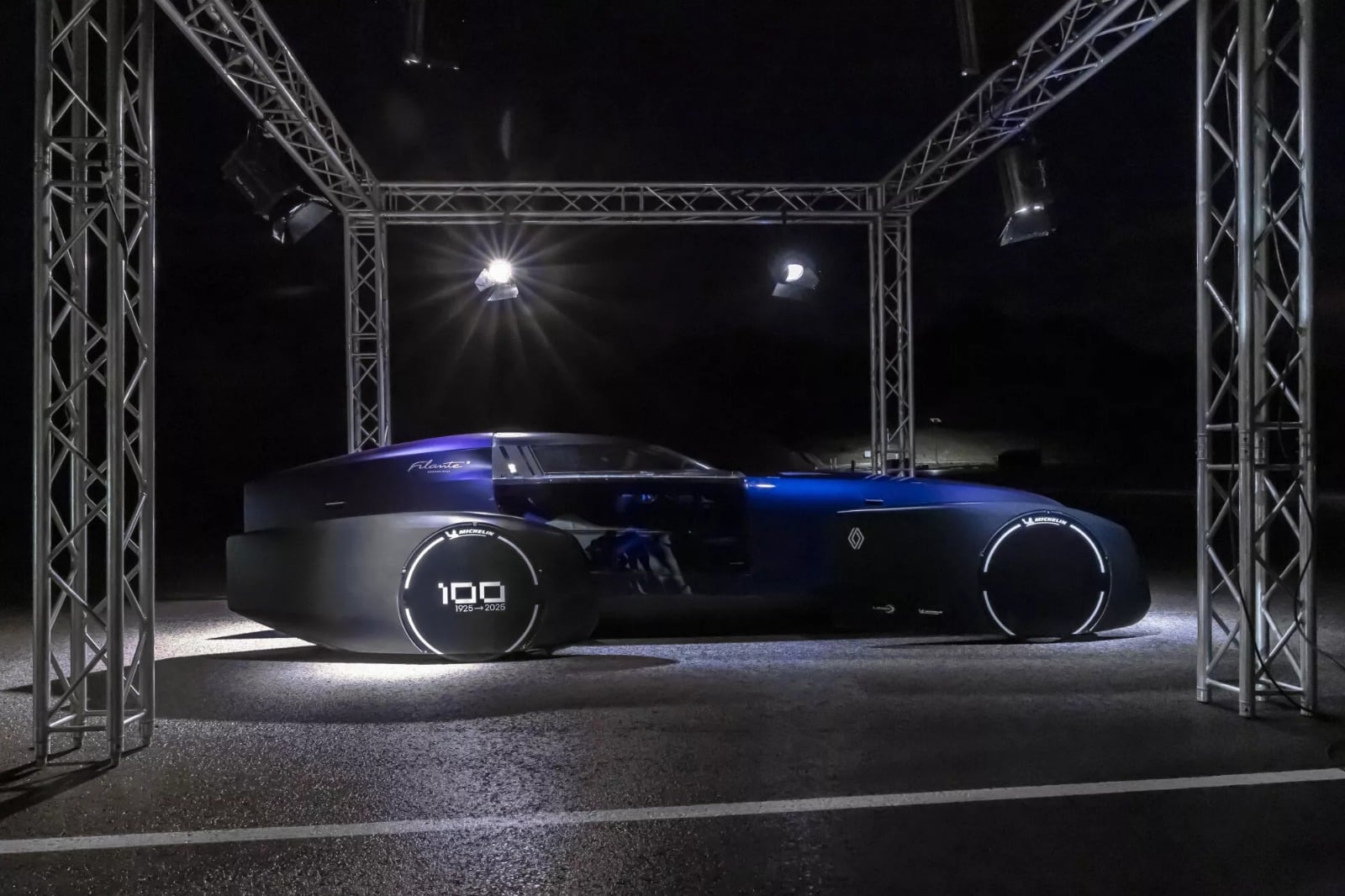
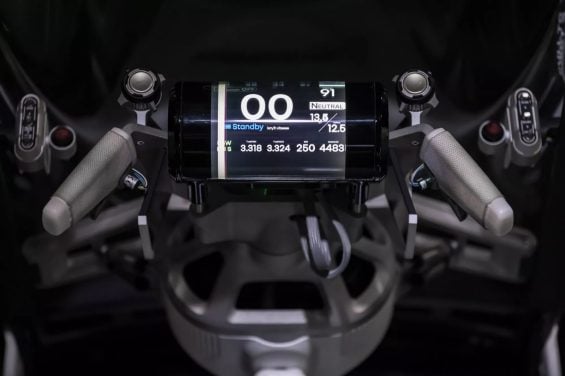
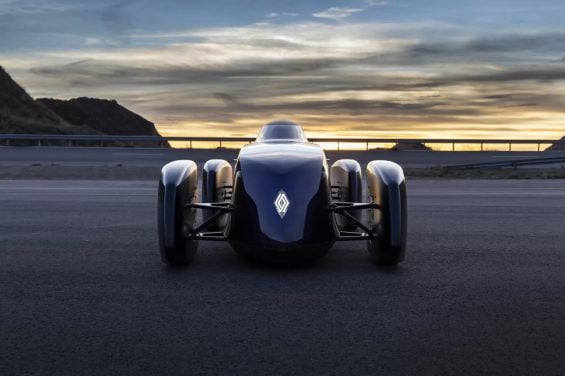
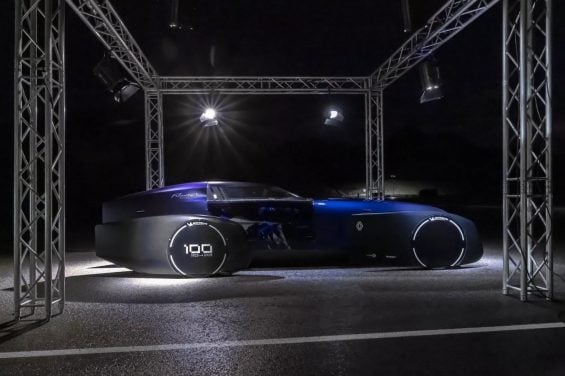
The technical validation took place at the UTAC circuit in Morocco, where the prototype was subjected to 10 hours of uninterrupted driving. When crossing the thousand-kilometer barrier, the telemetry still indicated 11% of residual charge in the battery, which projects a theoretical total range close to 1,120 km.

The Filante Record serves as a database for Renault’s next generation of vehicles (Ampere). The industrial objective is clear: by applying these lessons of aerodynamics and weight reduction to road cars, the manufacturer will be able to use smaller batteries — and consequently cheaper — without sacrificing autonomy, attacking the main cost of electric vehicles today.



