Developed in partnership with Huawei, SAIC Z7 ignores discretion, adopts lines identical to those of the European sports car and features three screens on the dashboard
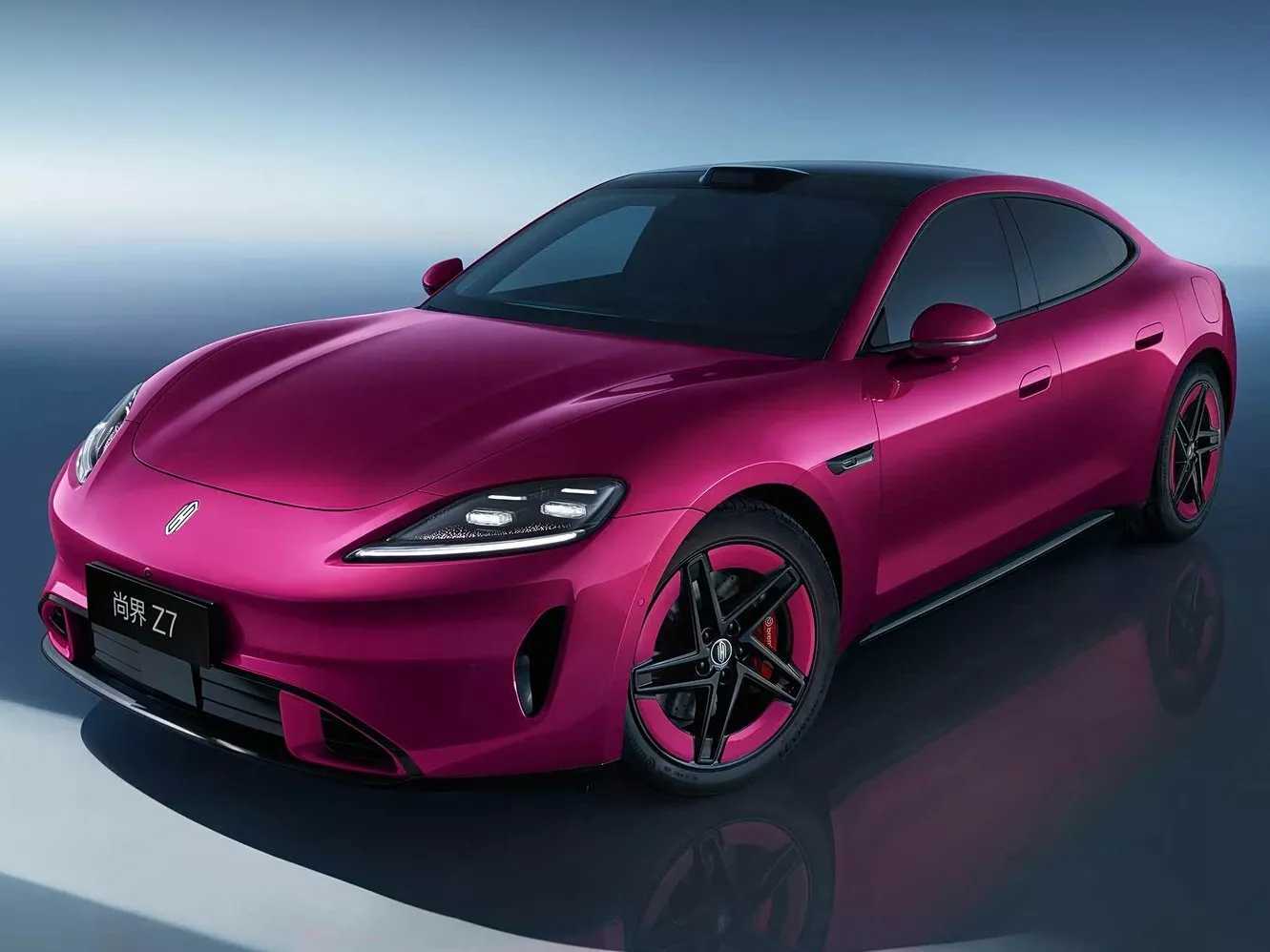
Chinese automaker SAIC, in partnership with tech giant Huawei, has officially unveiled the SAIC Z7. The new electric sedan arrives in the Asian market with an aggressive proposal: to deliver proportions, design and technology comparable to those of the coveted Porsche Taycan, but at a fraction of the price of the German sports car.
The pricing strategy is one of the pillars of the launch: it is estimated that the Z7 will arrive at Chinese dealerships costing between 250 thousand and 350 thousand yuan (approximately US$ 189 thousand to US$ 264 thousand in direct conversion). For comparison, the entry-level Porsche Taycan does not cost less than 918 thousand yuan in the same market, highlighting the commercial abyss between the models.
SEE ALSO:
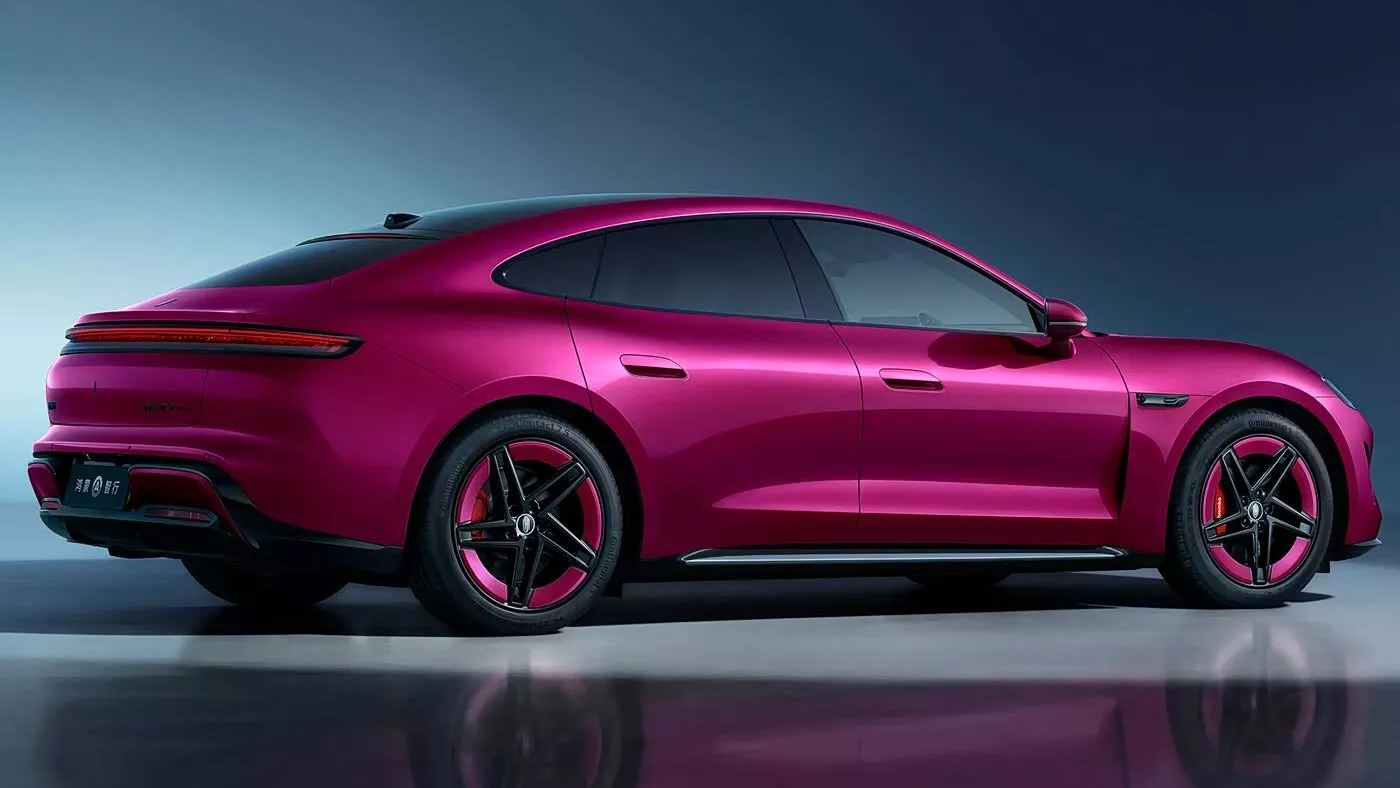
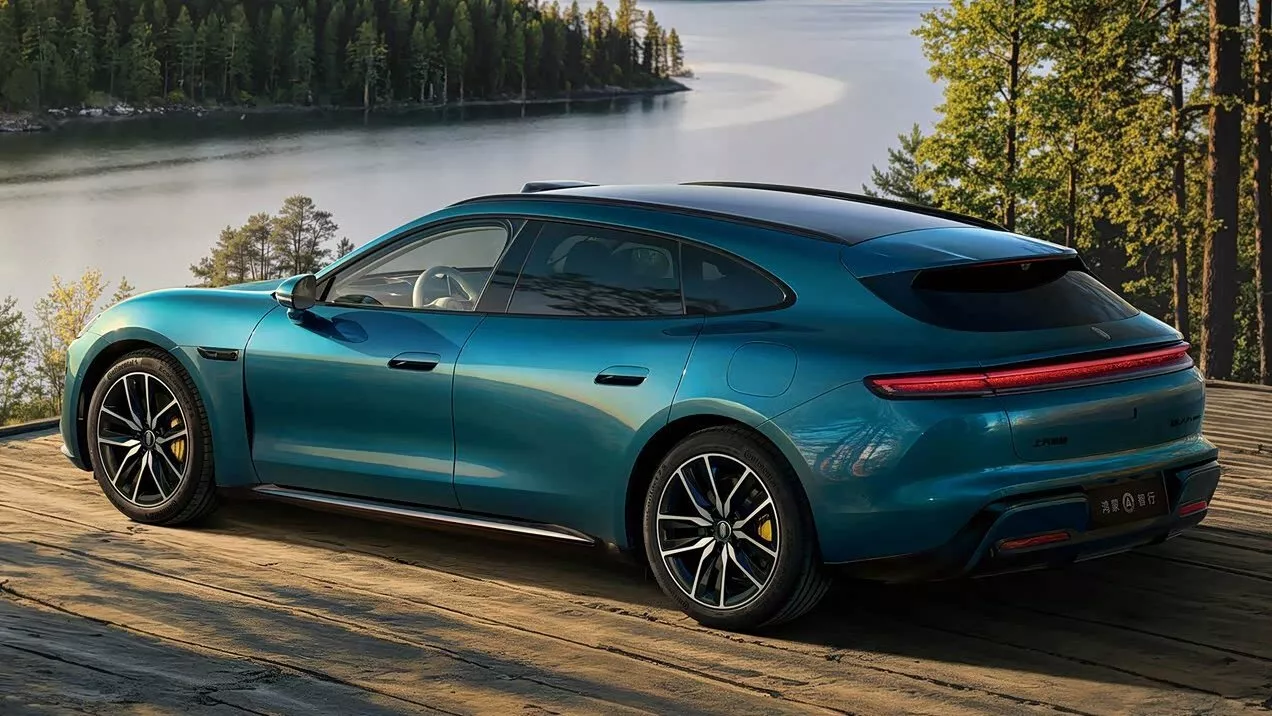
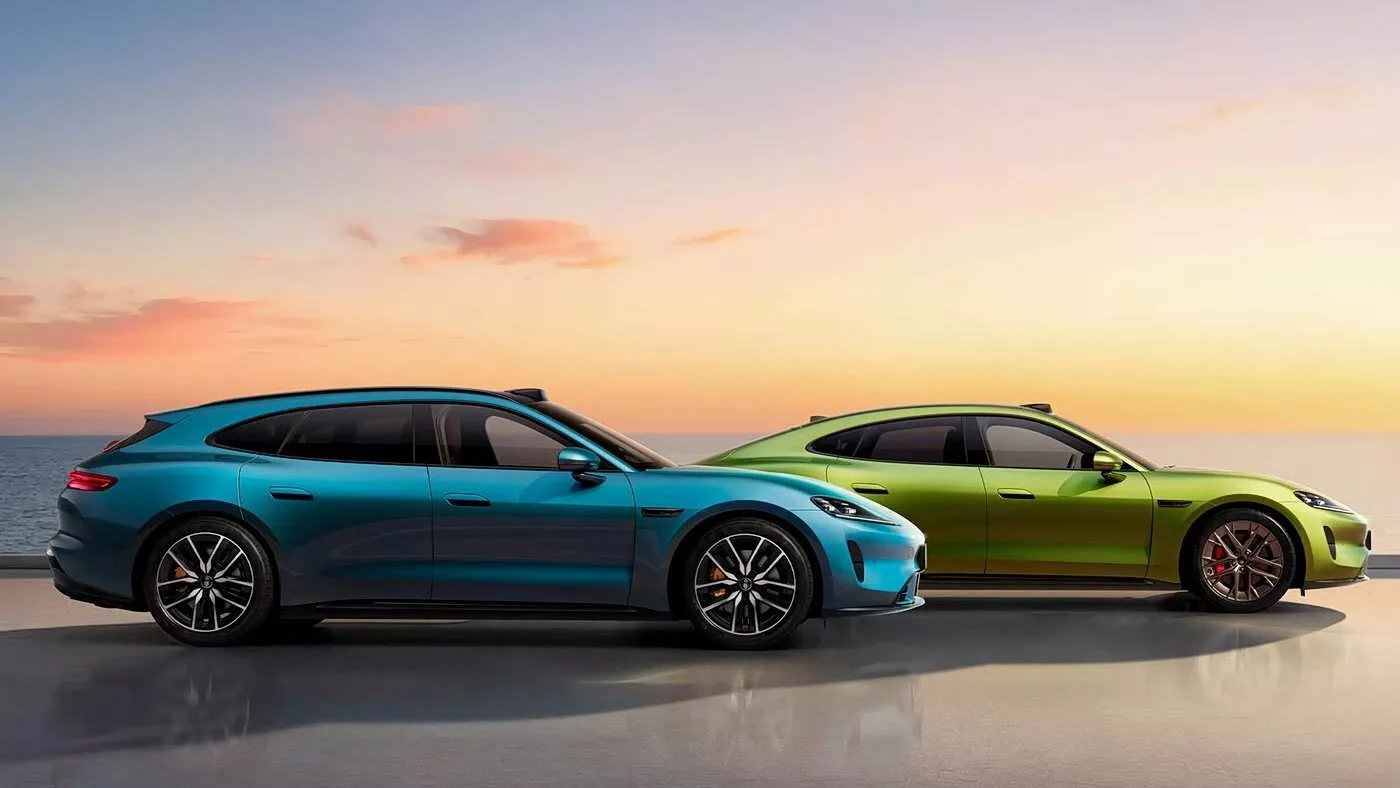
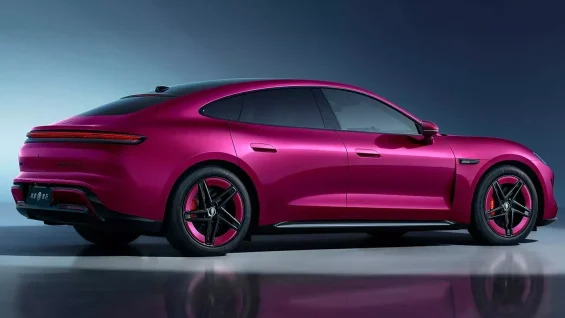
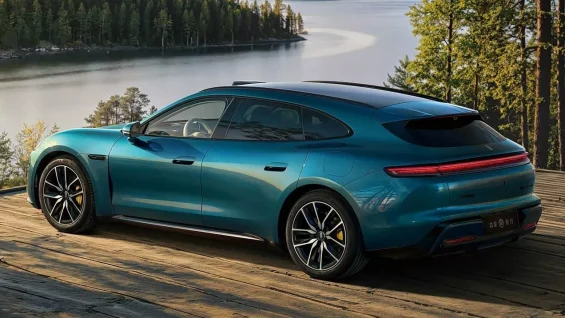
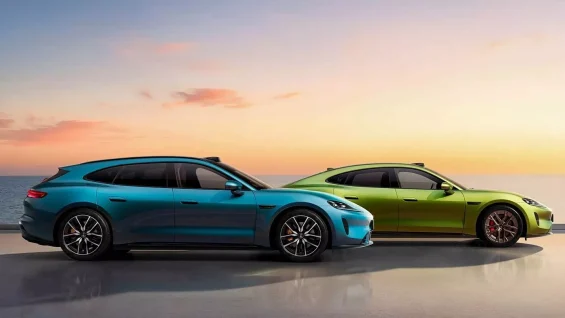
The aesthetic similarity with the German model, previously suggested in teasers, is now undeniable. At the front, the Z7 features tapered LED headlights and an imposing darkened lower air intake. The side profile reinforces the European inspiration, replicating the trim of the roof, the shape of the doors and the mirrors. The rear consolidates the reference with a thin light bar that runs along the entire trunk lid. A Shooting Brake variant has also been confirmed, mirroring the look of the Taycan Sport Turismo station wagon.
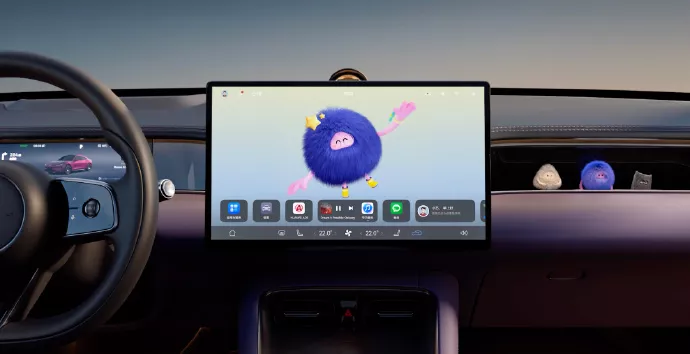
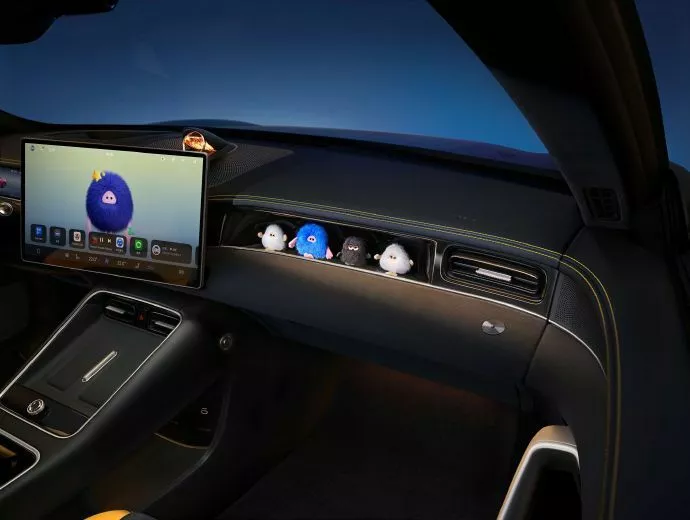
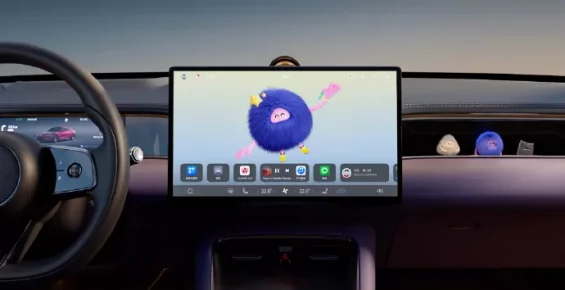
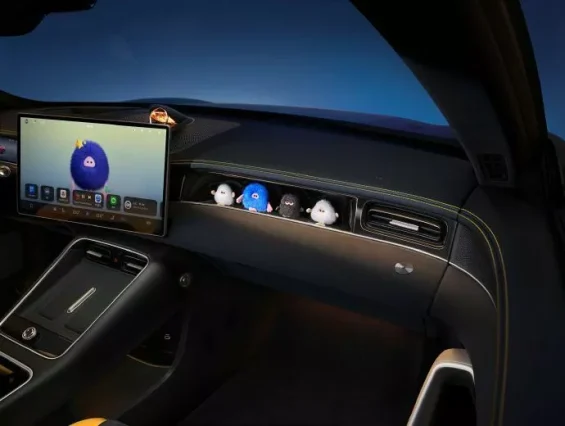
In the cabin, Huawei’s influence dictates the technological pace: leaked images reveal a fully digital instrument panel, formed by a large multimedia center and an exclusive display for the front passenger. The center console houses two bases for wireless charging by induction and the steering wheel adopts a flattened base, reinforcing the sporty appeal.
Although the performance specifications are still kept confidential by SAIC, the specialized press in China points out that the Z7 will use a modern 800-volt electrical architecture. The sedan should be offered with rear-wheel drive or all-wheel drive options, powered by 80 kWh or 100 kWh batteries, ensuring competitive autonomy for the premium segment.



