Technology applied to highways in Campinas and Mogi Mirim automatically identifies infractions; images undergo human validation before the fine

Inspection on São Paulo’s highways has gained a technological reinforcement that resulted in more than 16 thousand fines in 2025 alone. Radars equipped with artificial intelligence on stretches of the SP-340 and SP-342 highways, in the interior of São Paulo, started to automatically catch drivers who use their cell phones behind the wheel or who do not wear seat belts.
SEE ALSO:
The system, operated by the concessionaire Renovias in the stretch between Campinas and Mogi Mirim, uses image recognition algorithms to detect irregular conduct in real time. Unlike conventional speed cameras, the technology works in a hybrid way: AI selects suspicious records and forwards them to operation centers.
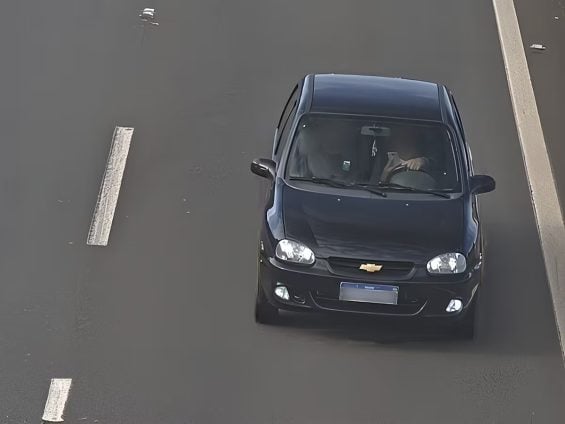
To ensure the legal certainty of the process, artificial intelligence does not issue the fine alone. All captures are analyzed and validated by military highway police. Only after this human conference is the official assessment generated. In 2025, the two monitoring points recorded 16,137 violations, with the absence of seat belts being the most frequent non-compliance. In view of the results, the concessionaire plans to expand the technology to km 161 of the SP-340.
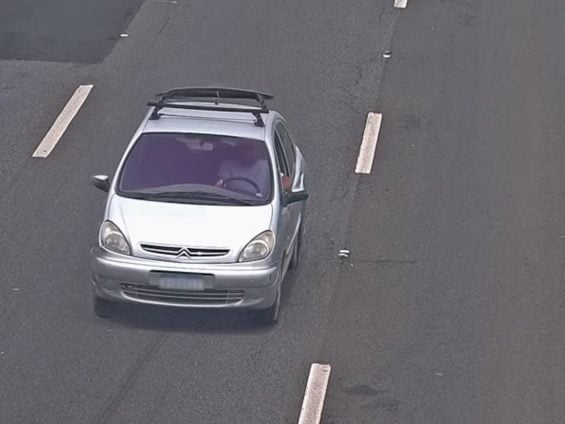
The implementation of the measure aims to contain distraction, the third leading cause of traffic deaths in the country, according to Abramet. Currently, the use of a telephone while driving is a very serious infraction (R$ 293.47 and 7 points on the CNH), while the lack of a belt is a serious infraction (R$ 195.23 and 5 points).



