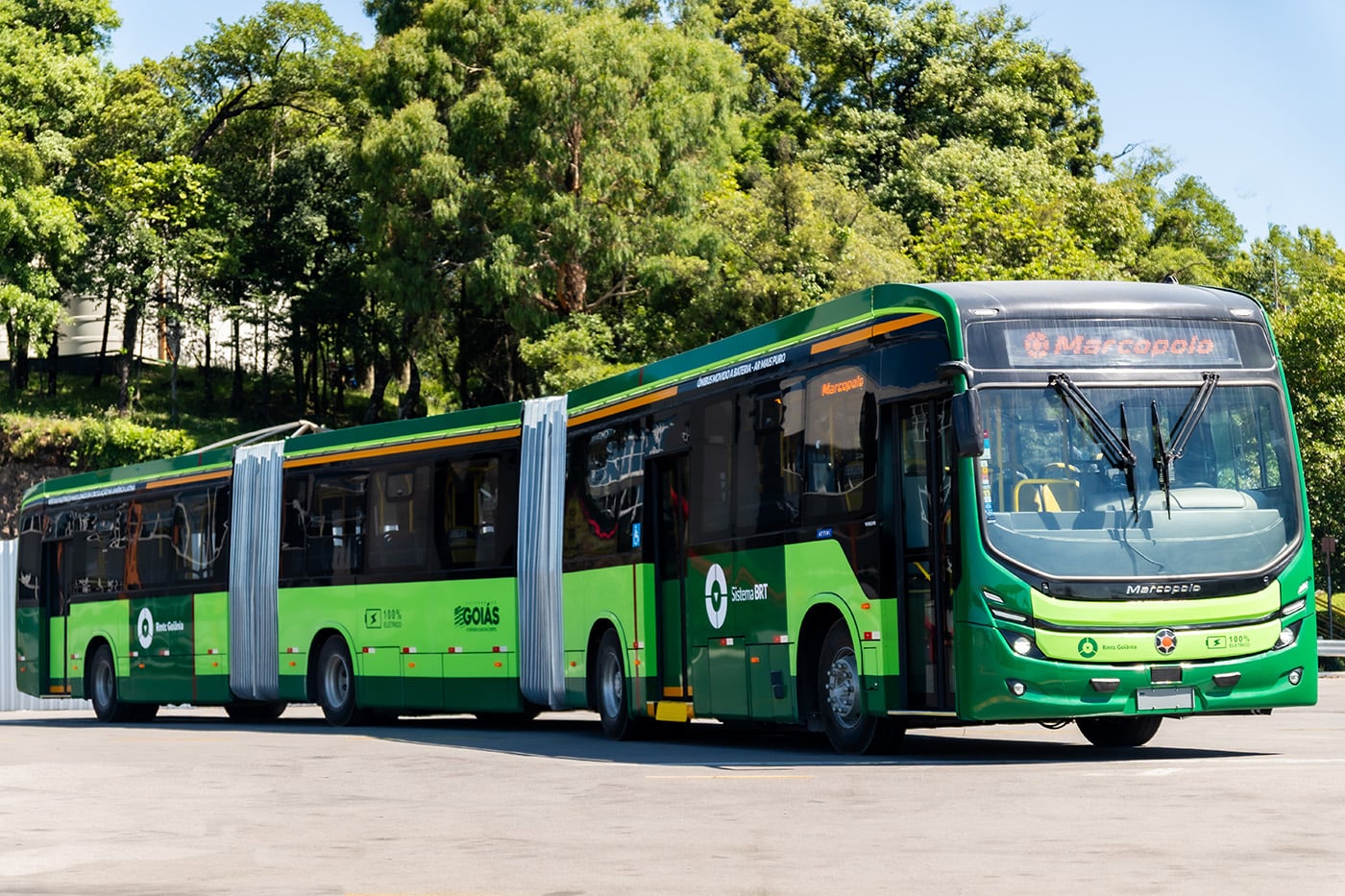
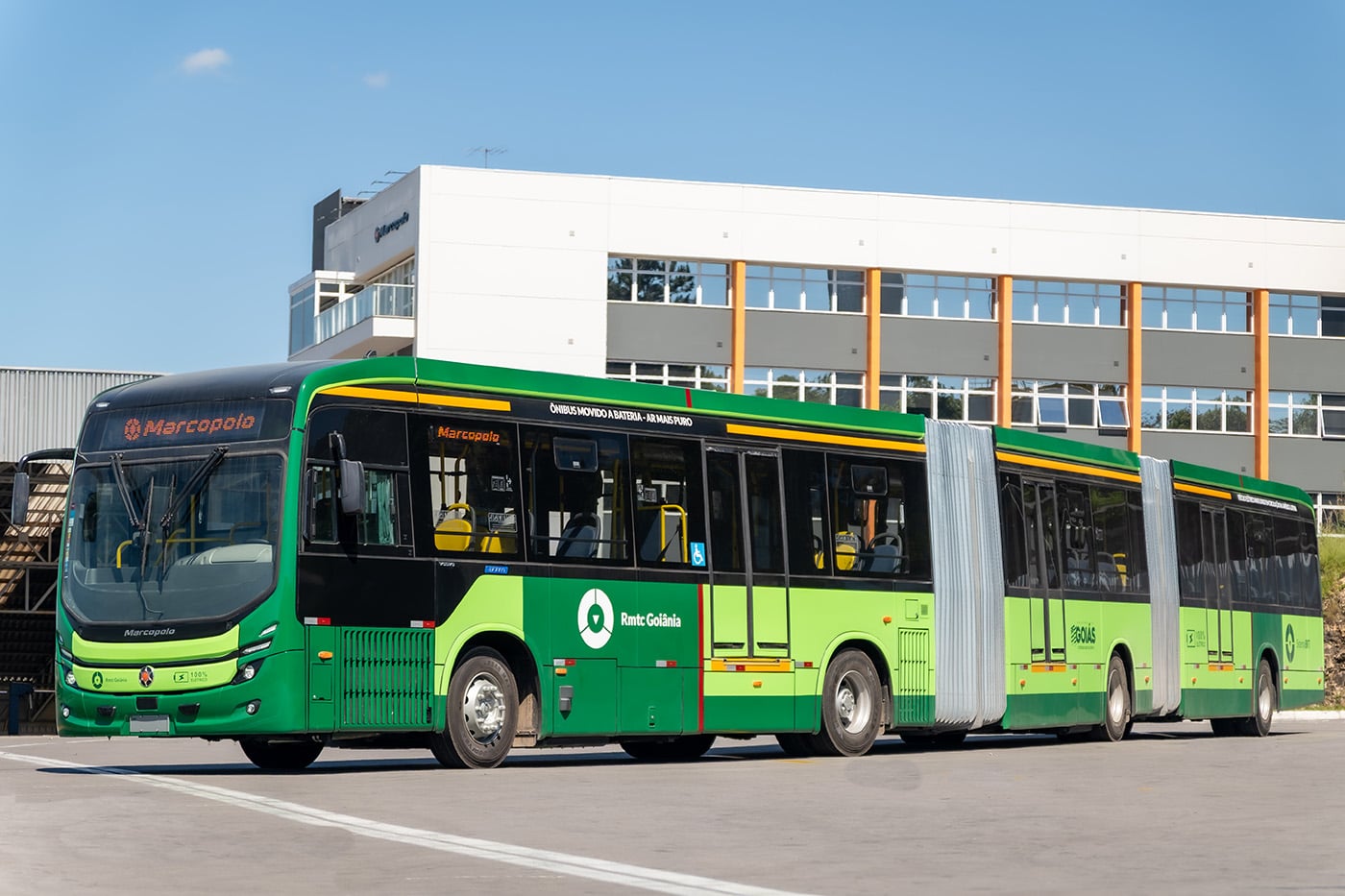
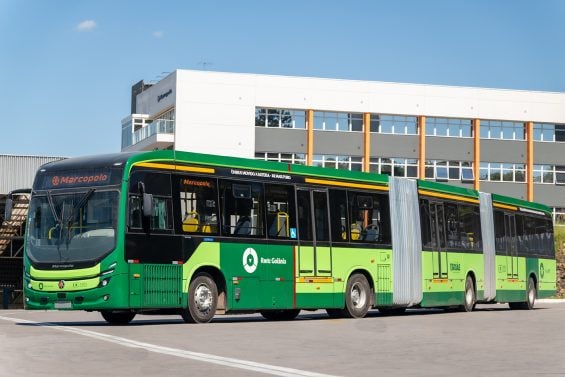
Marcopolo's vehicles are up to 28 meters long and promise to handle a high flow of people supported only by electric propulsion
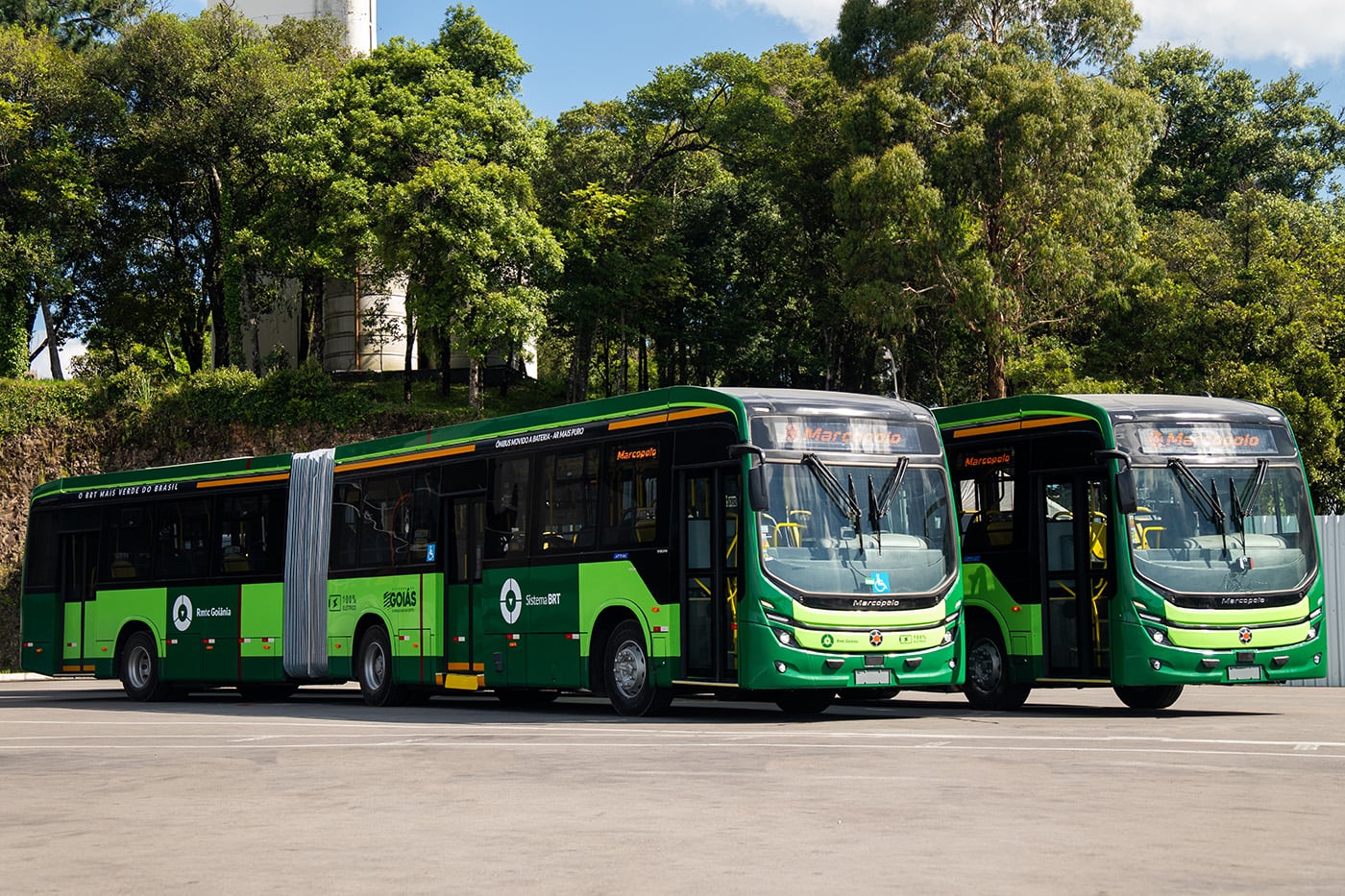
Marcopolo has started a new chapter in the electrification of national public transport with the delivery of the first 100% electric bi-articulated buses in Brazil. Intended for the BRT system in Greater Goiânia, the total lot includes 21 vehicles of the Attivi Express model — five biarticulated units and 16 articulated units — all mounted on Volvo chassis. The operation is the result of a strategic partnership with GreenMob Capital and the HP Mobility Group.
The highlight is the superlative dimensions: while the articulated ones measure 21 meters, the biarticulated ones reach 28 meters in length, specifically designed to handle the high density of passengers in the exclusive corridors.
SEE ALSO:
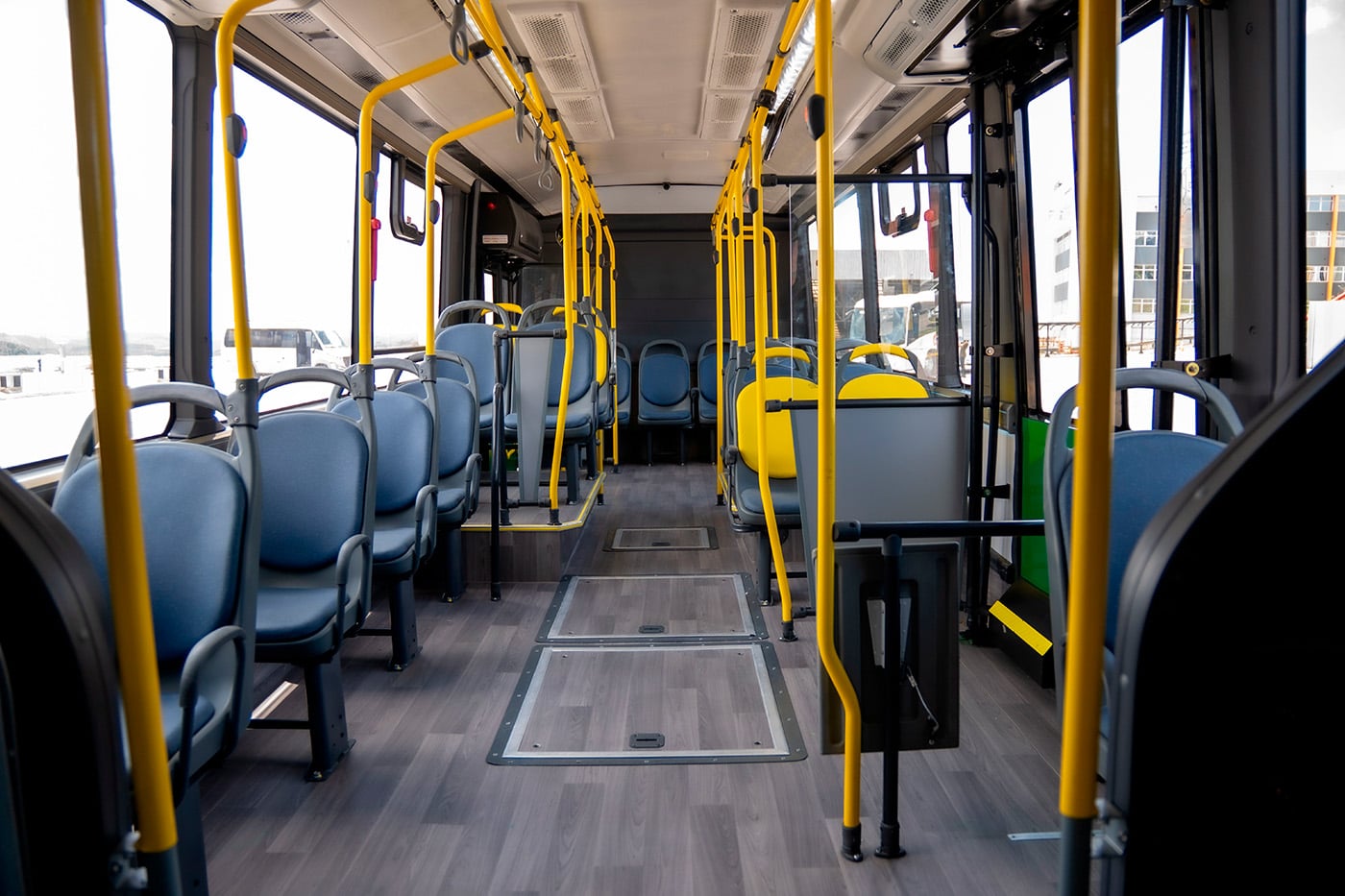
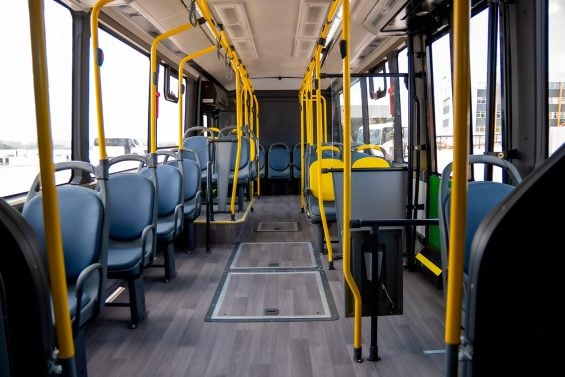
For the user, the change goes beyond clean propulsion. The interior finishing of the new buses tries to bring the public transport experience closer to the standard of executive services. The vehicles were equipped with wooden floors, upholstered City model seats, USB sockets for charging devices and Full LED lighting.
In terms of safety and operation, the technological package includes monitoring by internal cameras with facial recognition and a door system with electronic activation and anti-crushing function — there are three doors on each side of the vehicle, allowing boarding on different types of platform.
Accessibility is guaranteed by ramps on the left side and elevators on the right side, as well as areas reserved for people with reduced mobility. According to Marcopolo, the configuration aims to streamline the flow of loading and unloading, crucial for the Goiás system.
The impact on local mobility promises to be relevant. The BRT of Greater Goiânia currently transports about 180 thousand passengers per day, connecting the capital to dormitory cities such as Trindade, Goianira and Senador Canedo. With the completion of the expansion works, the expectation is that the monthly volume will jump from 12 million to 17 million users, now served by a fleet that drastically reduces the emission of noise and pollutants in urban centers.