Marcopolo Attivi Integral model has a WEG engine, a range of 280 km and capacity for 81 passengers; full recharge takes four hours
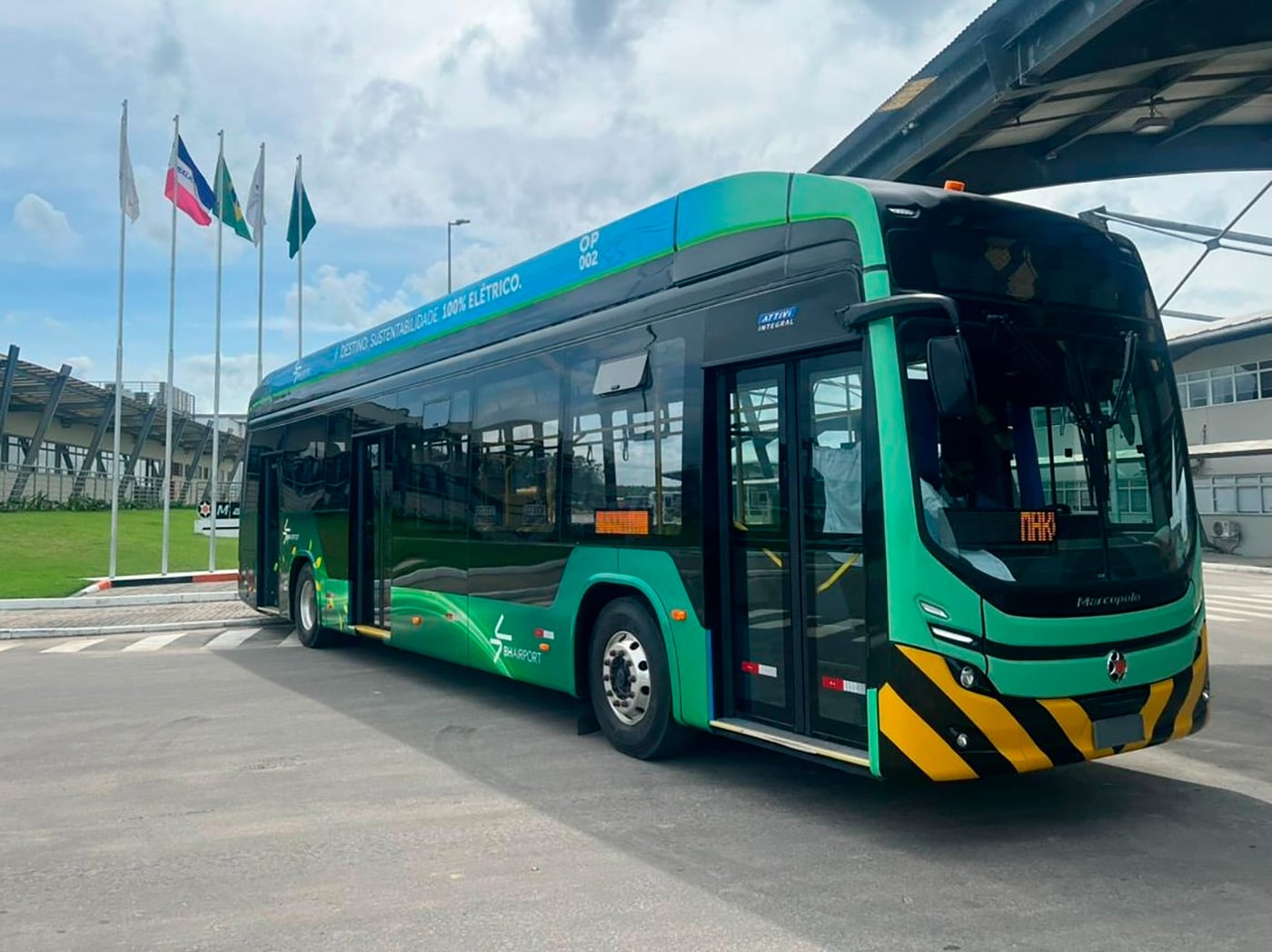
The International Airport of Belo Horizonte (Confins) started this week the operation of 100% electric buses for the transport of passengers between the terminal and the aircraft. The move marks the debut of the Marcopolo Attivi Integral model in Brazilian airports, being the first vehicle of its kind with chassis and body developed entirely by the national manufacturer.
The initiative is part of the Minas Gerais airport’s decarbonization strategy, replacing the fossil fuel-powered fleet with zero-emission alternatives. According to Marcopolo, the supply reinforces the capacity of the Brazilian industry to provide high-tech solutions for the energy transition in public transport.
SEE ALSO:
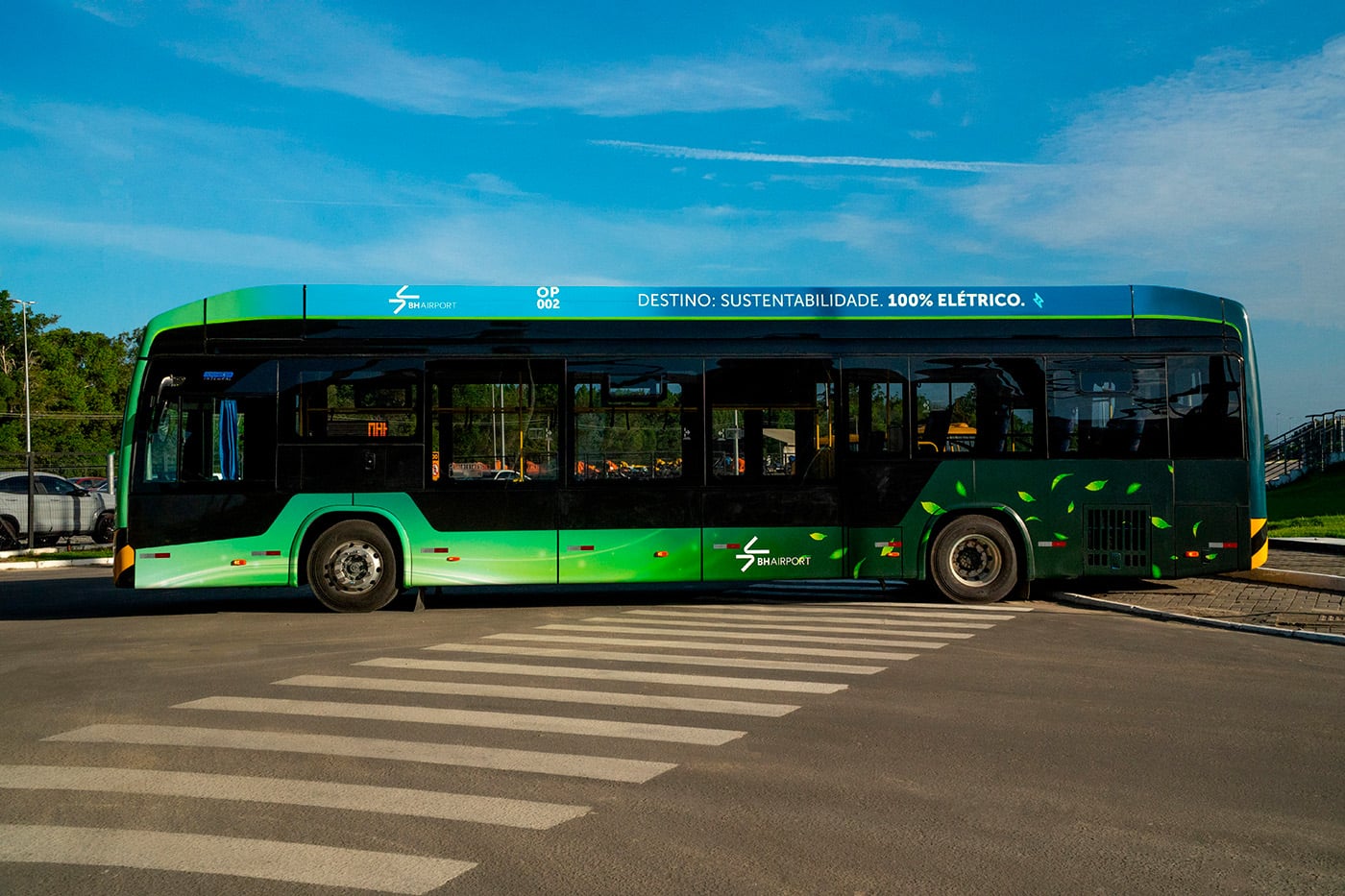
Unlike other electric vehicles that use imported or partner chassis, Attivi Integral prioritizes the local production chain. The model is equipped with a central electric motor from the Brazilian WEG, capable of delivering 516 hp and 285.5 kgfm of torque. The battery pack, positioned to optimize space, offers a range of up to 280 kilometers and requires about four hours for a full recharge.
The configuration adopted in Confins was adapted to the airport dynamics. With 12.95 meters in length, the bus has a low floor to facilitate access for suitcases and wheelchair users, in addition to three wide doors that speed up boarding and disembarking.
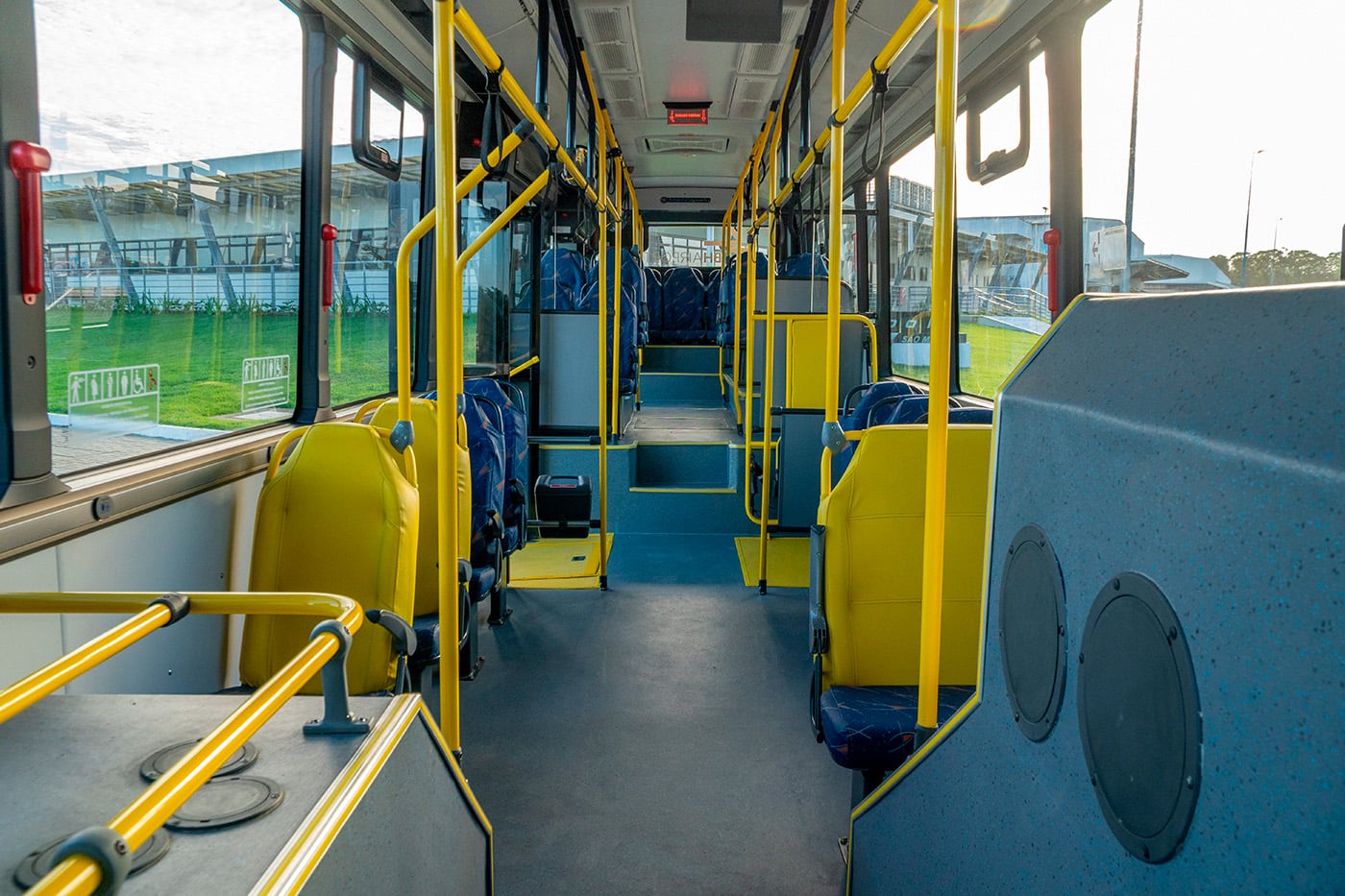
Internally, the configuration allows the transport of up to 81 passengers, divided between 41 seated and 40 standing. The equipment package prioritizes functionality and comfort, offering air conditioning, information monitors and USB chargers of types A and C distributed throughout the hall.
The model also has a manual ramp in the wheelbase door and dedicated space for wheelchairs, in addition to an automatic fire suppression system installed in the battery compartments to reinforce safety.
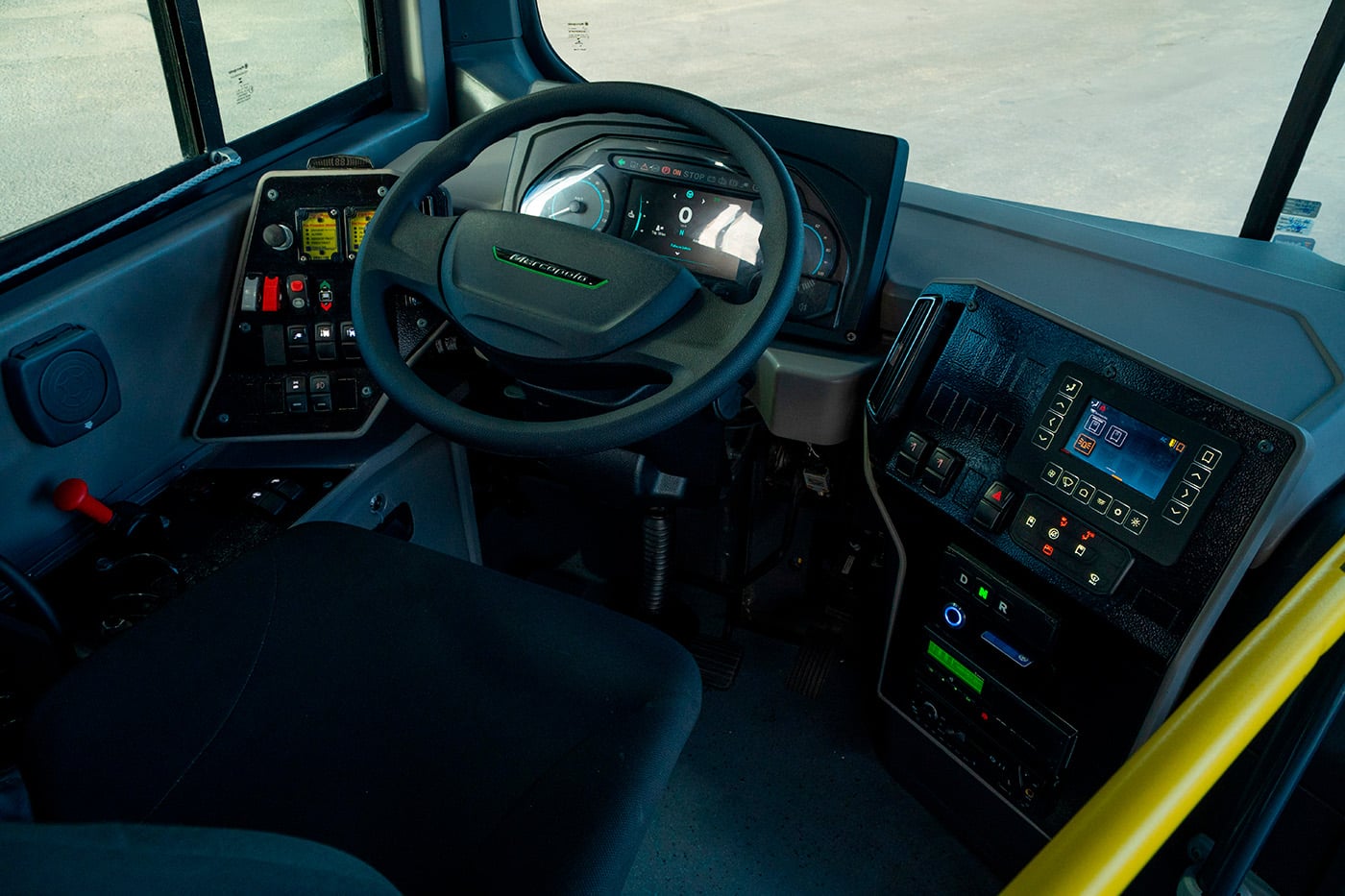
With the delivery made by the Minas Gerais branch, Marcopolo expands its presence in the electrified segment. Currently, the company already has about 1,000 electric and hybrid buses in circulation in countries such as Colombia, Chile, Mexico and Australia, in addition to the domestic market.



