Audi updates Q3 with new look, 231 hp engine and locally assembled all-wheel drive; model arrives at dealerships in the second half of May
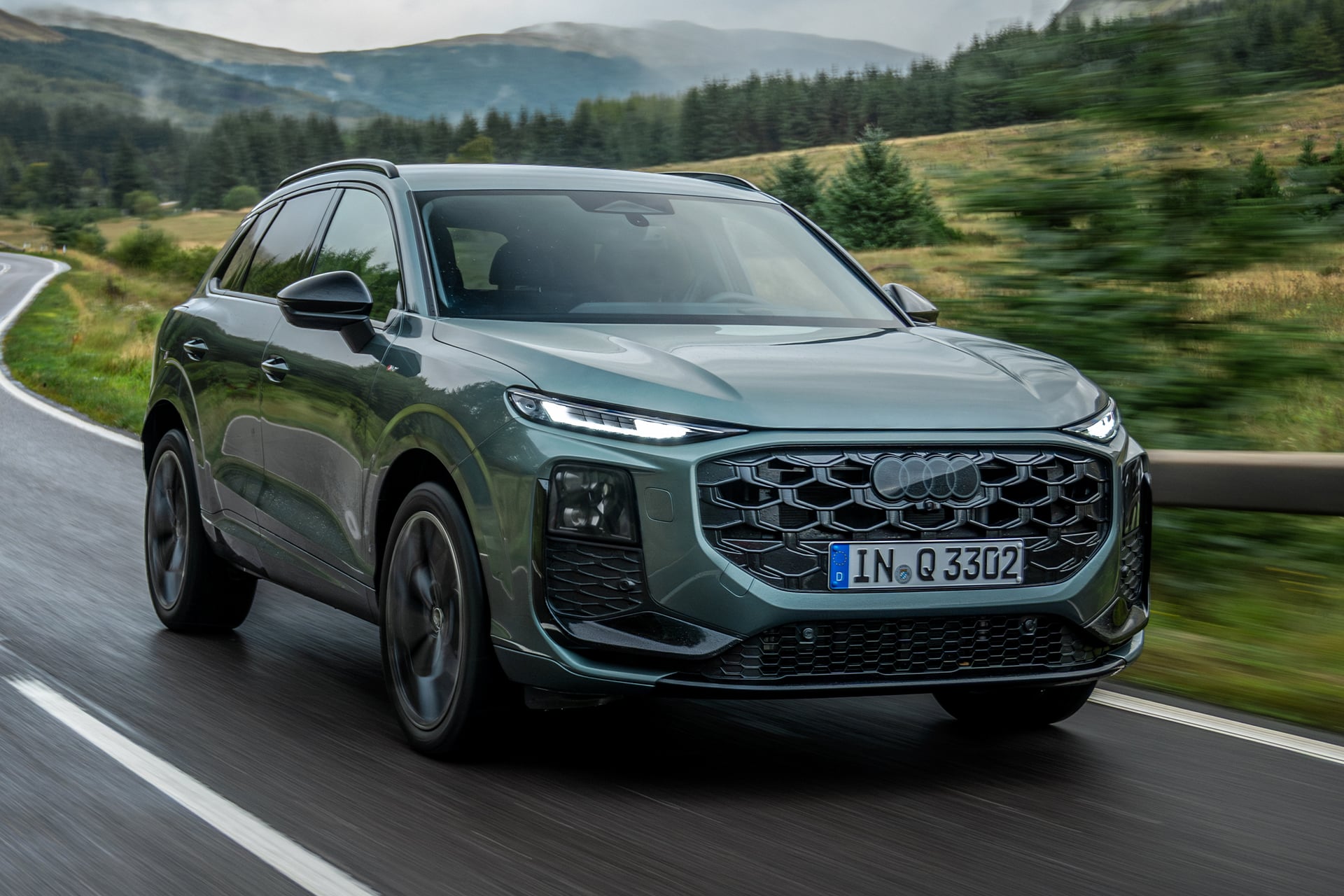
Audi do Brasil is already manufacturing the third generation of the Q3 at its unit in São José dos Pinhais (PR). The Audi Q3 arrives in the 2026 lineup with deep updates in design and connectivity to sustain the brand’s competitiveness in the premium segment. Manufacturing on Paraná soil takes place under the SKD (semi-knocked down) assembly regime, using the Volkswagen Group’s structure to ensure greater agility in supplying the domestic market.
SEE ALSO:
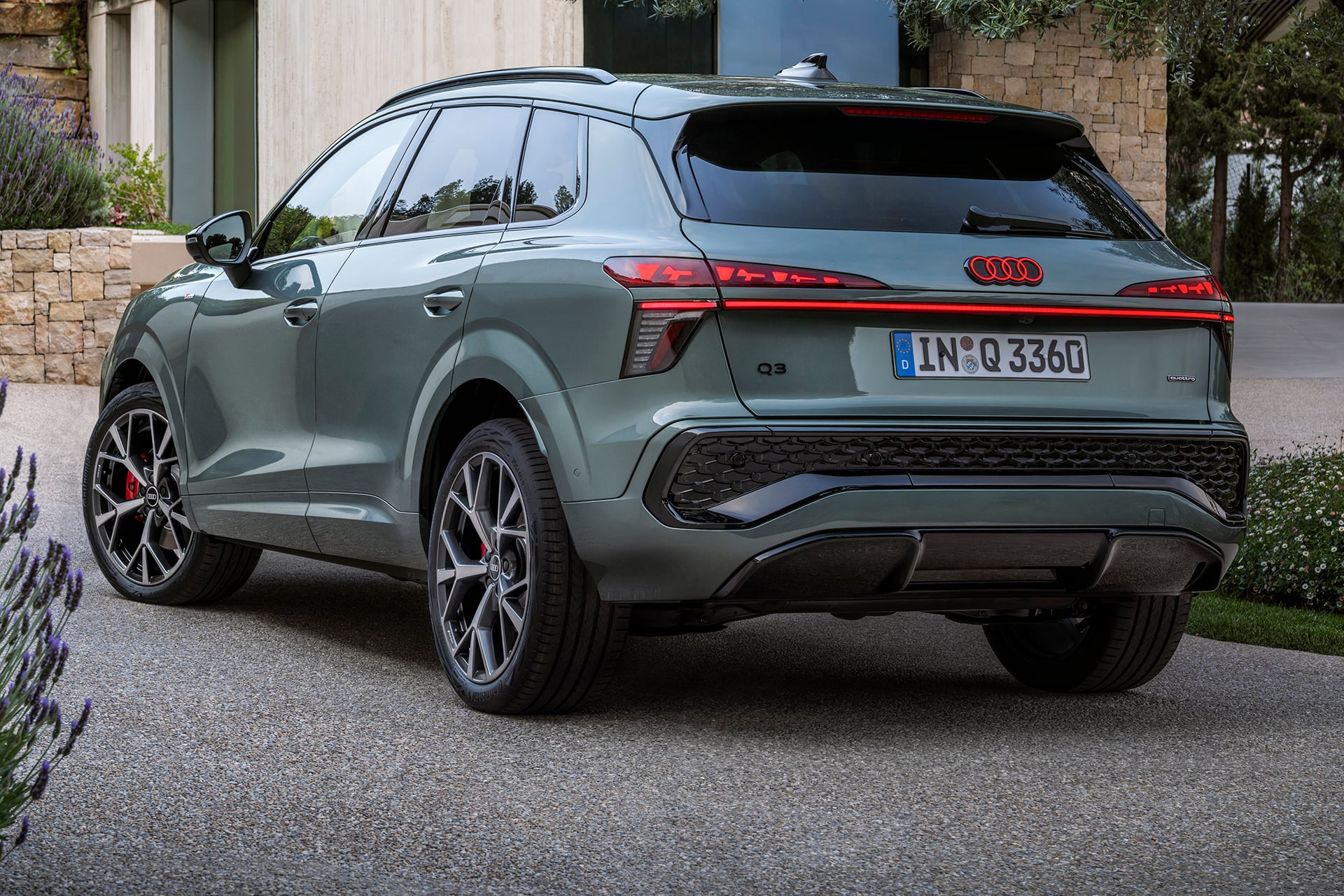
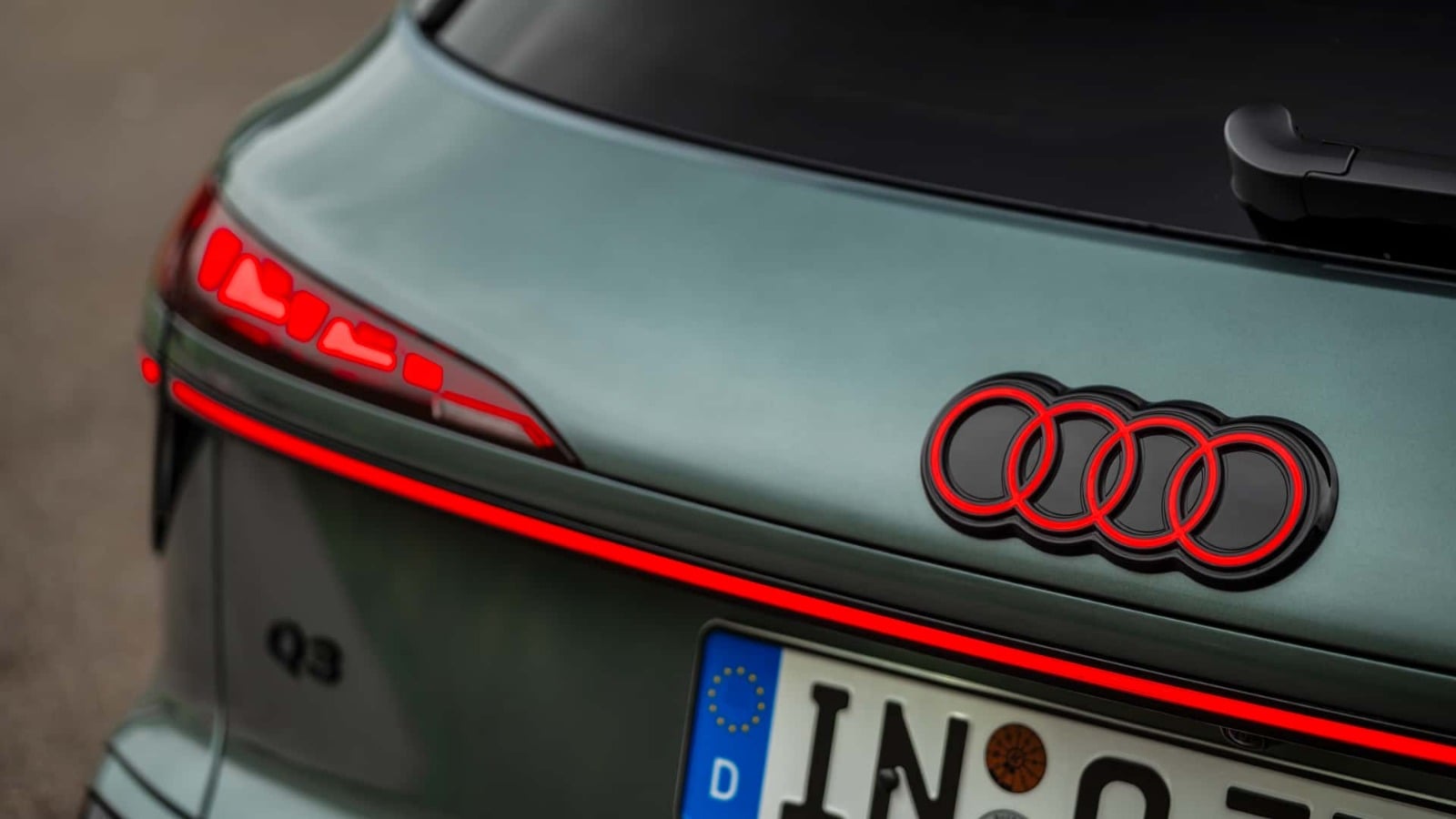
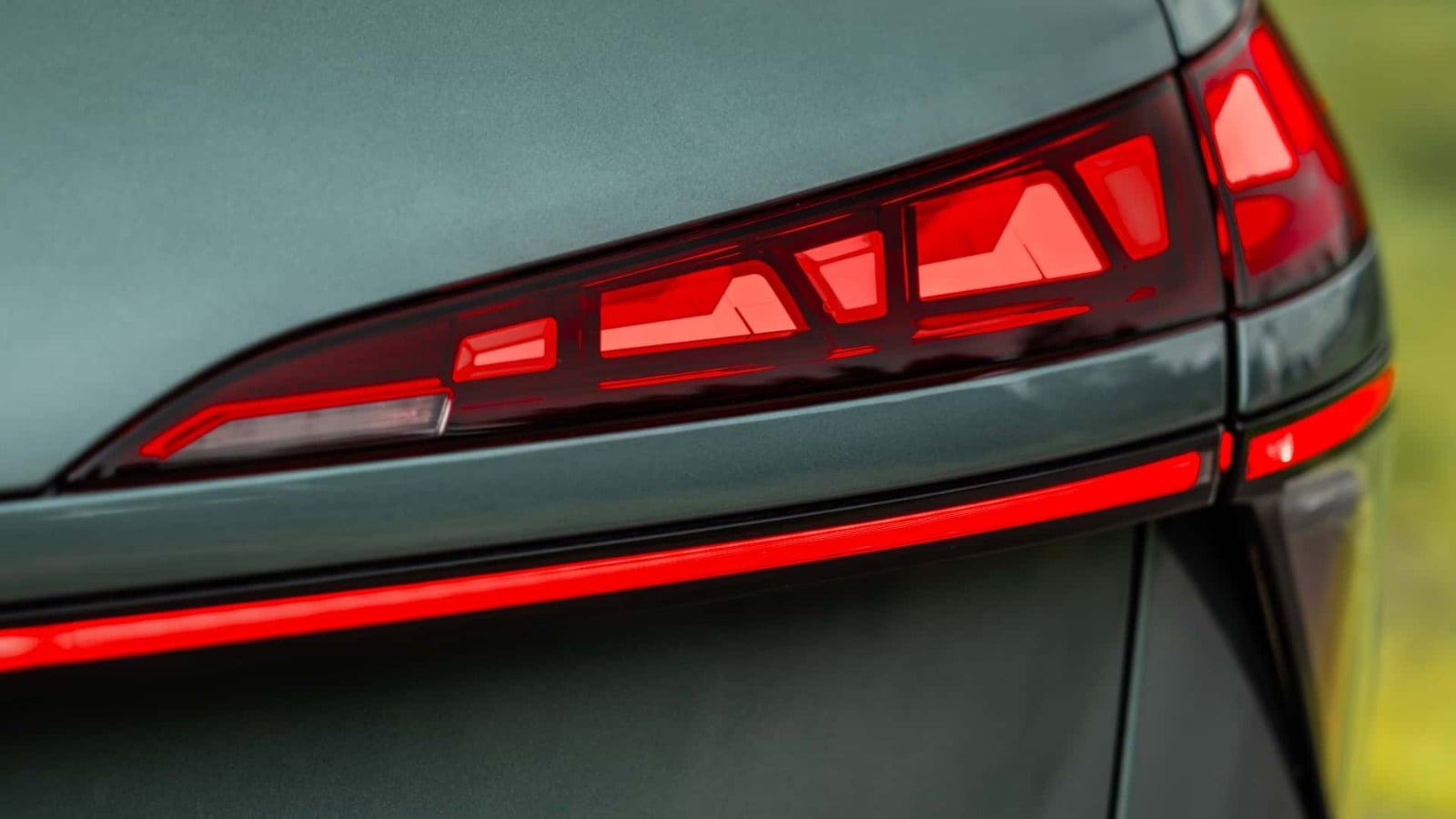
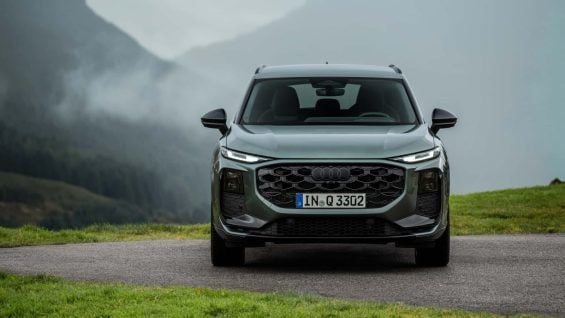
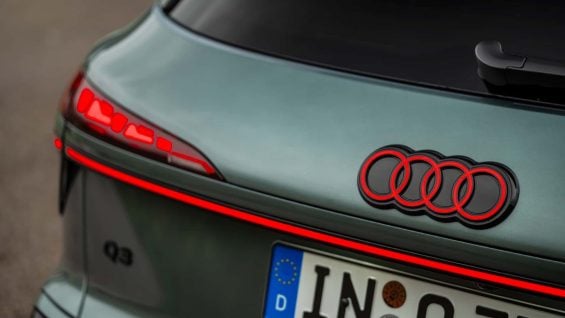
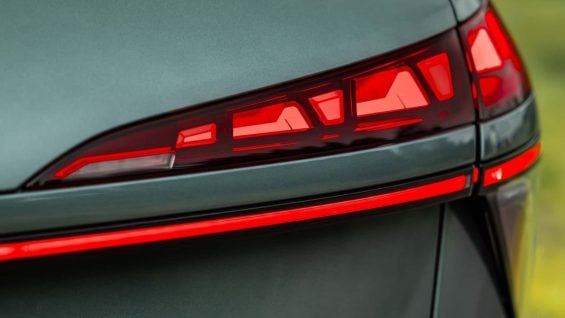
The Audi Q3 2026 adopts the German manufacturer’s latest visual identity, characterized by more sober lines and a single-frame front grille, redesigned with honeycomb-shaped elements. The LED optical set features more tapered headlights, while the rear incorporates taillights interconnected by a functional light strip. The brand maintains the strategy of locally producing both the traditional SUV body and the Sportback, with a descending roof.

Inside, the highlight is the new digital cockpit , which integrates the instrument panel and the multimedia center in a single, curved piece, aimed at the driver. The interior trim has been refined with new touch-sensitive materials, and the center console has been rearranged to include higher-capacity induction charging. Although it favors technology, the model maintains the versatility of the sliding rear seats, although the trunk has undergone a slight reduction in volume to optimize space for accessory batteries.
Unlike the European hybrid variants, the Brazilian Q3 bets on the robustness of the 2.0 TFSI gasoline engine. The engine delivers 231 hp and 35,7 kgfm of torque, coupled to the eight-speed Tiptronic automatic transmission.
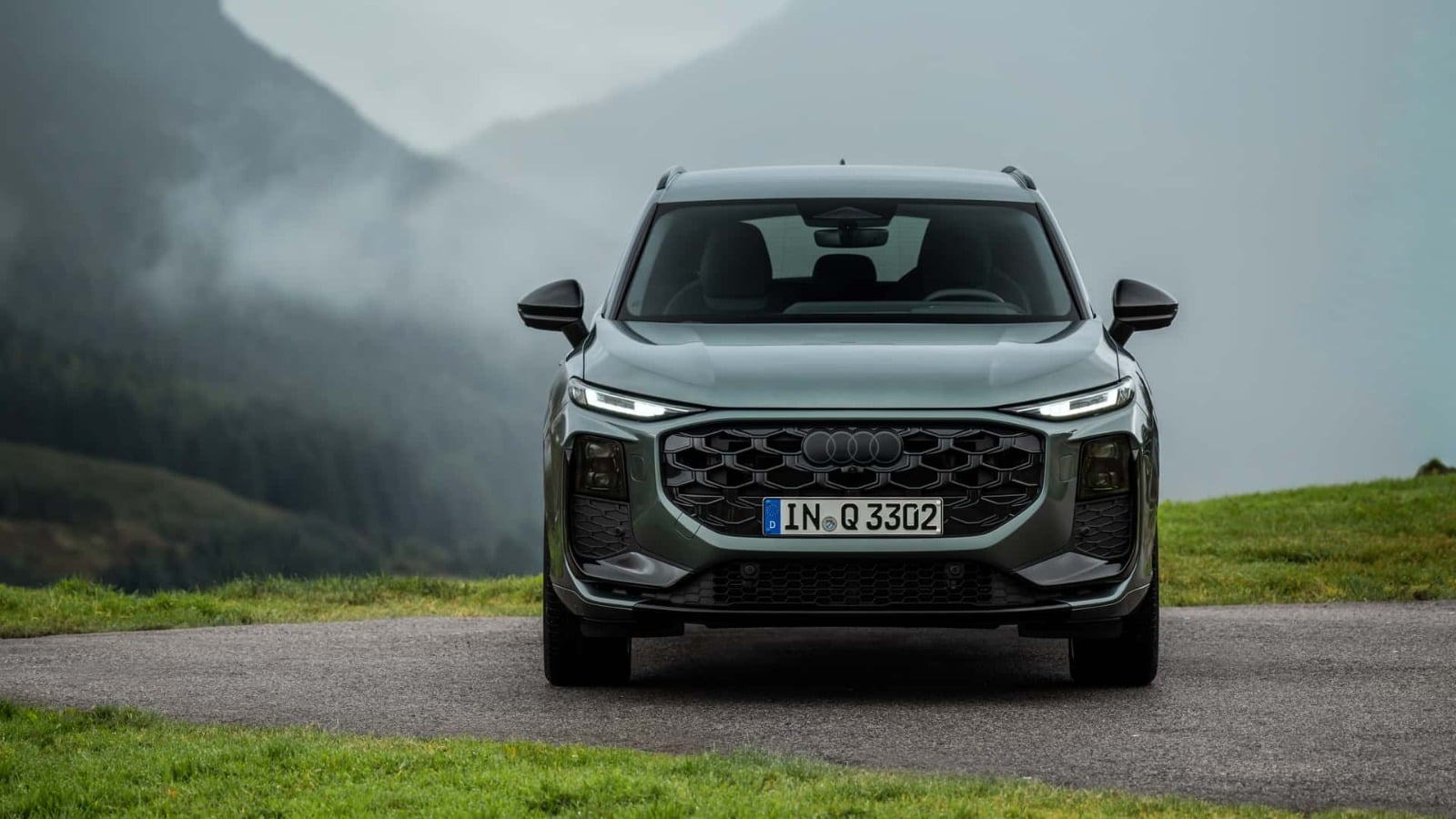
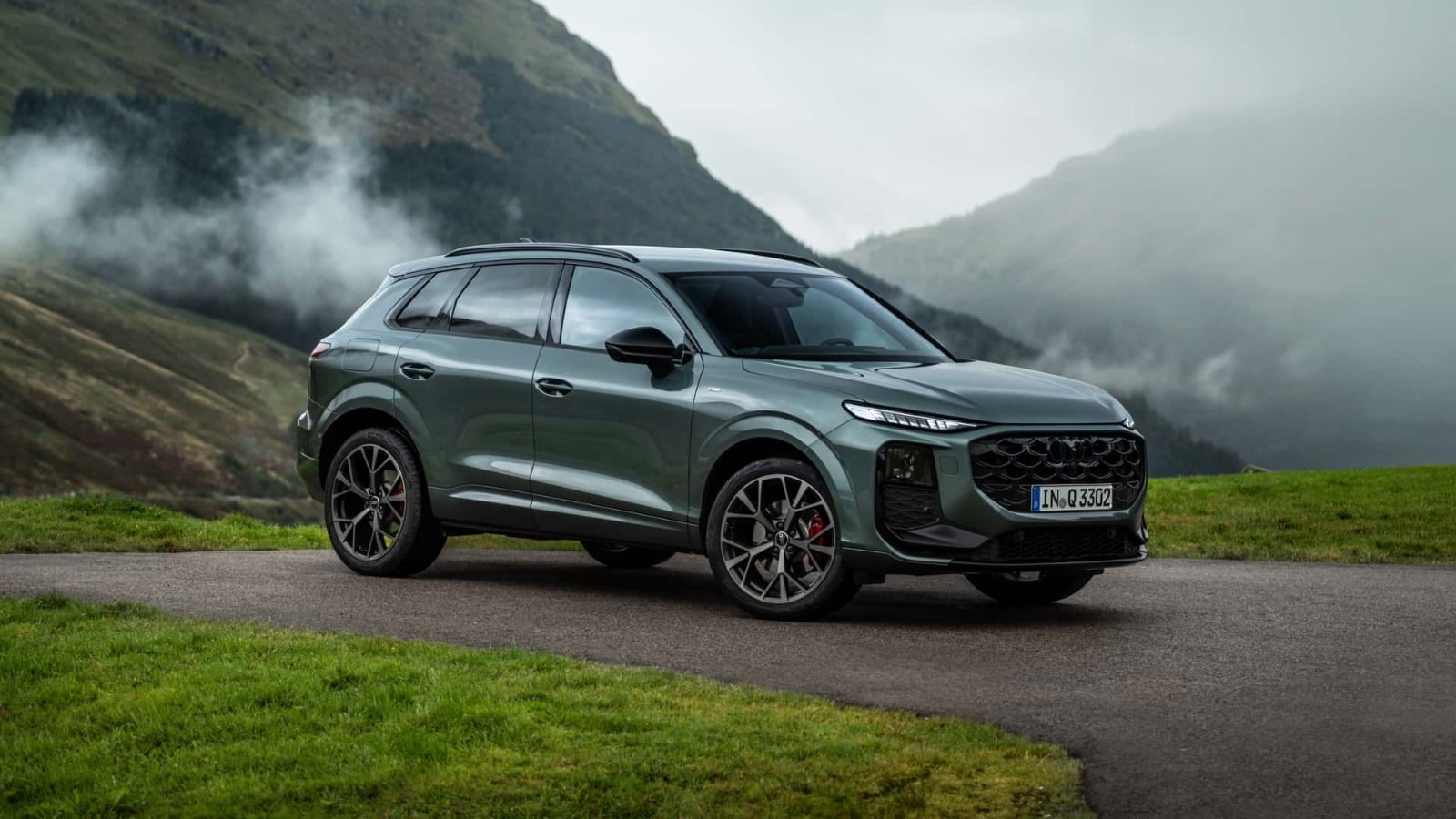
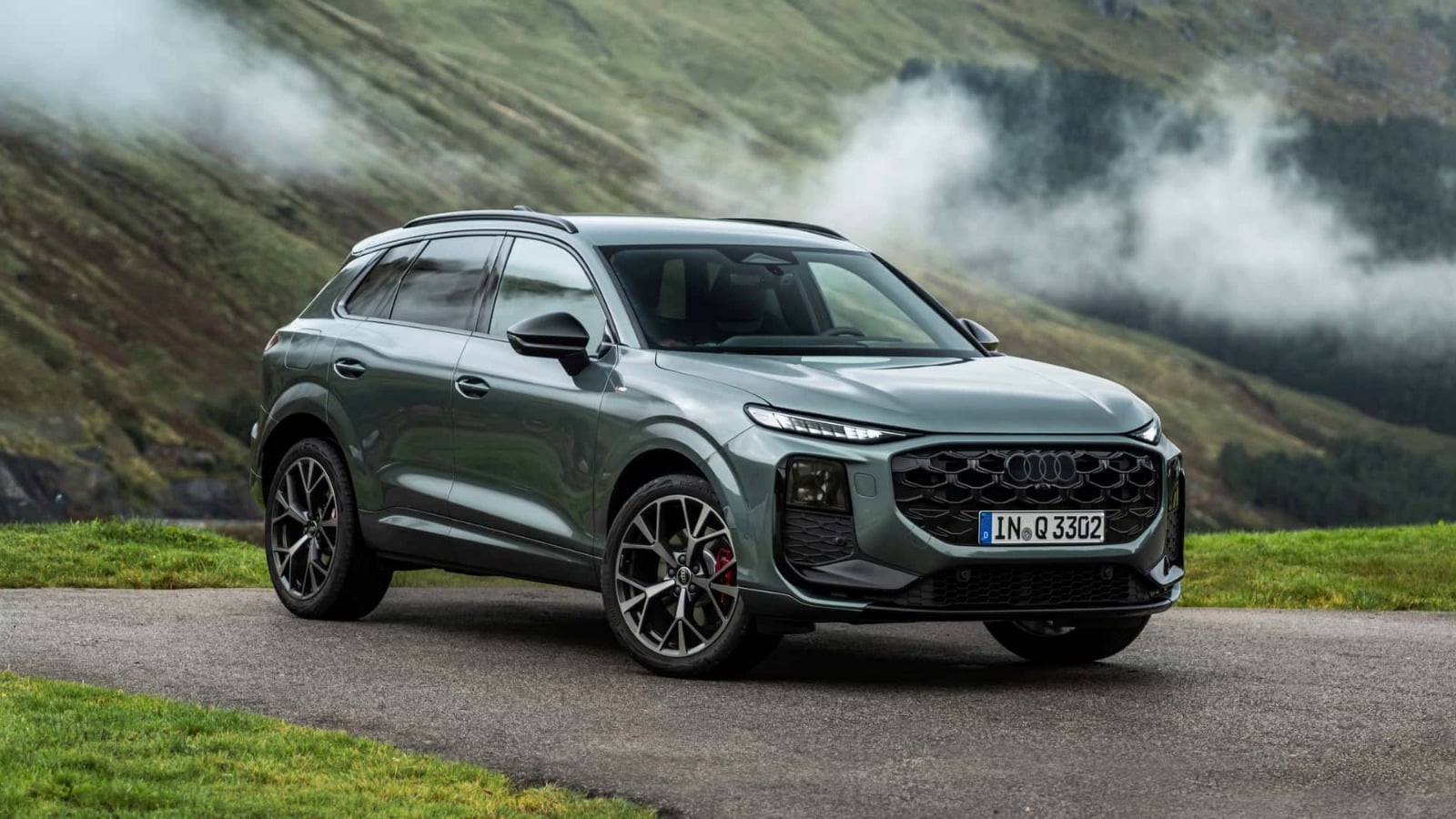
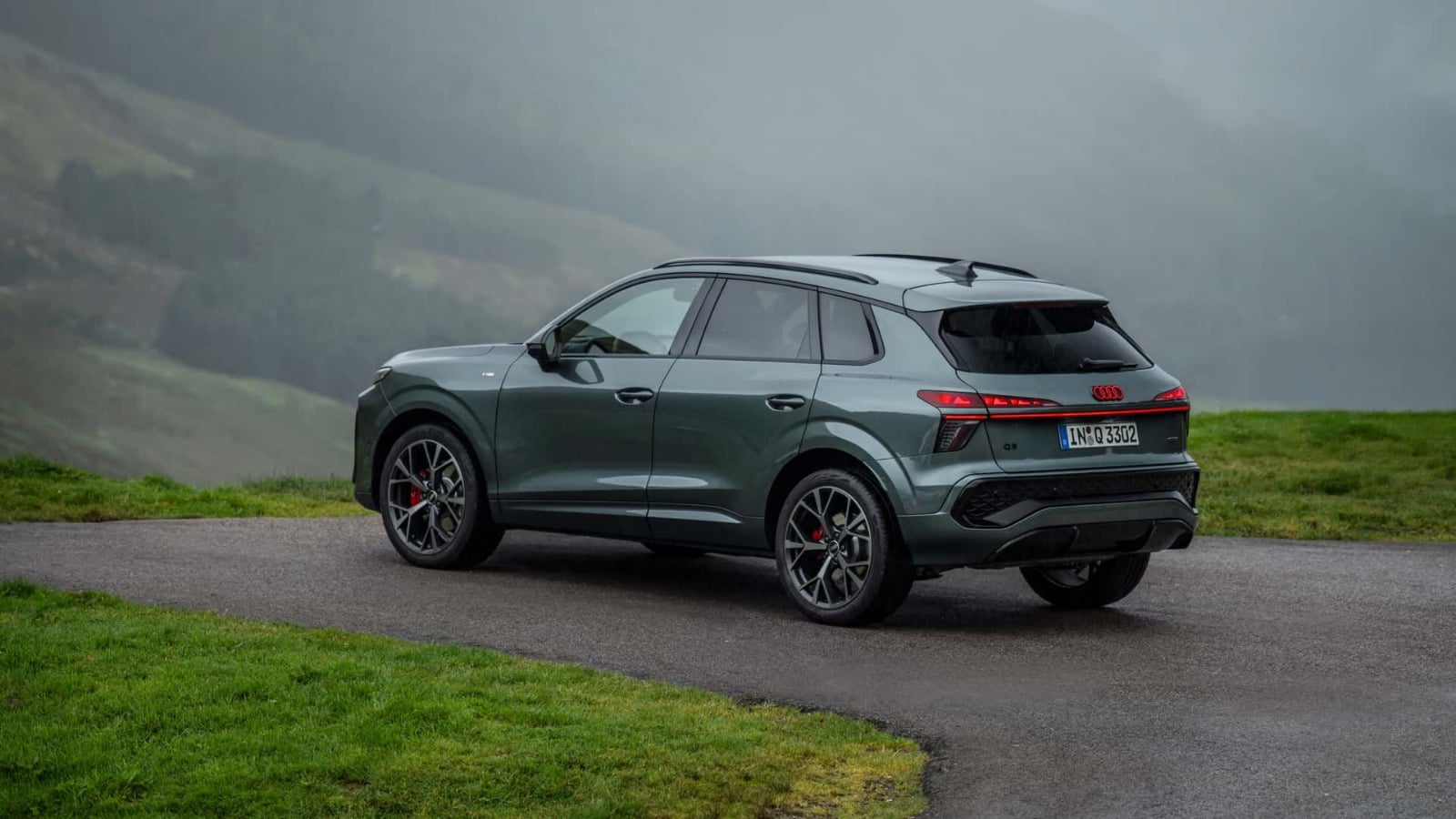
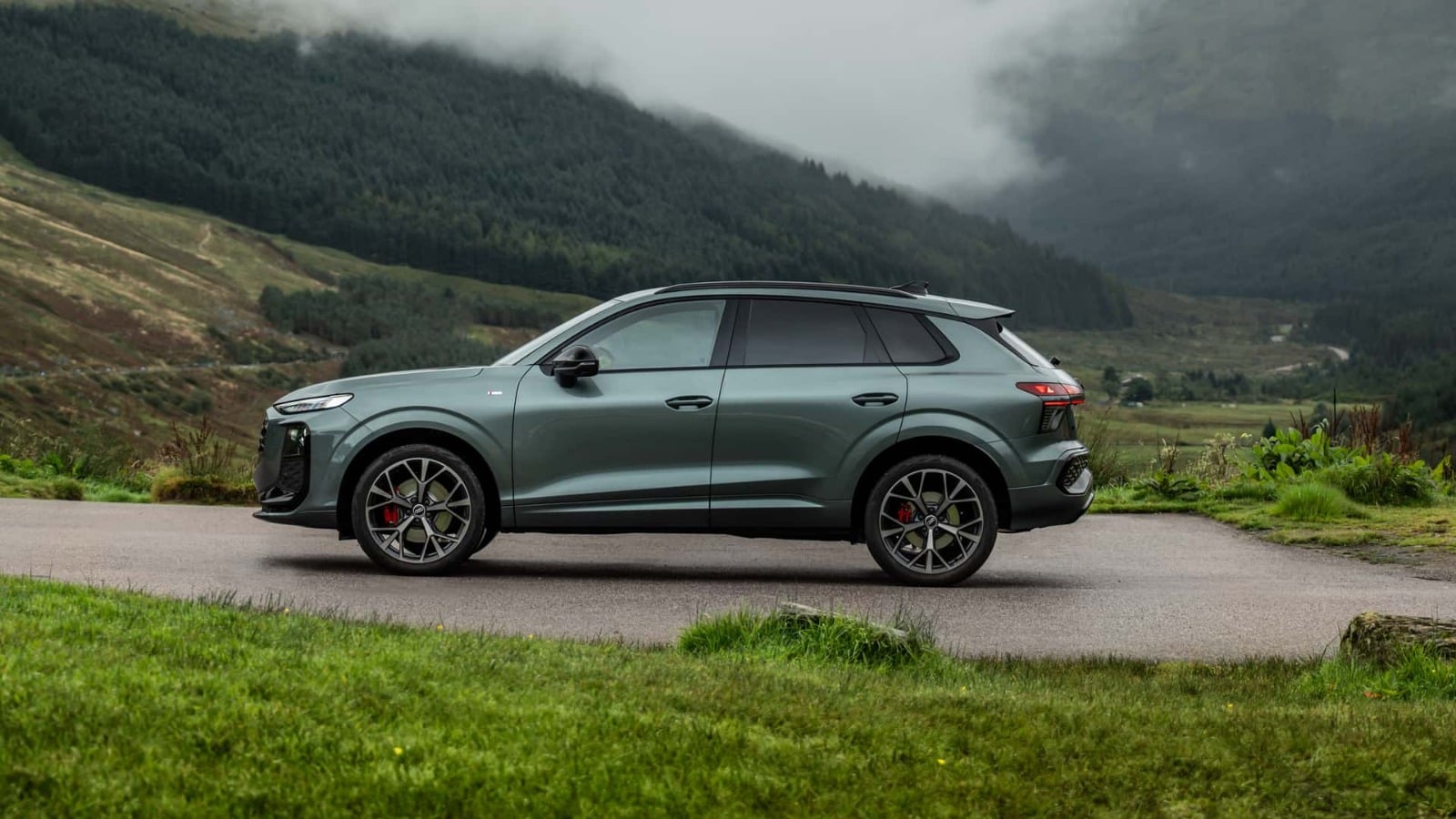
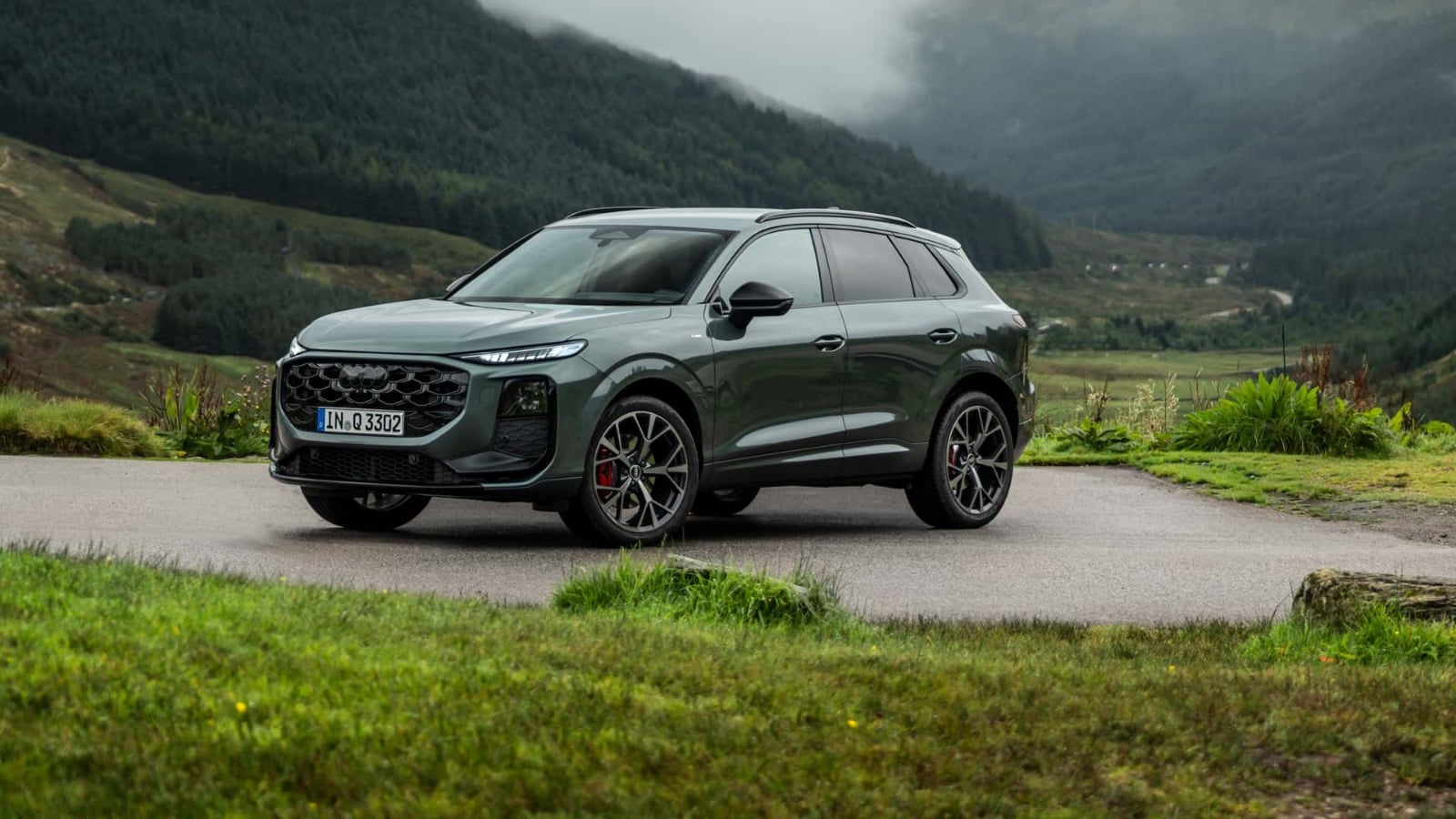
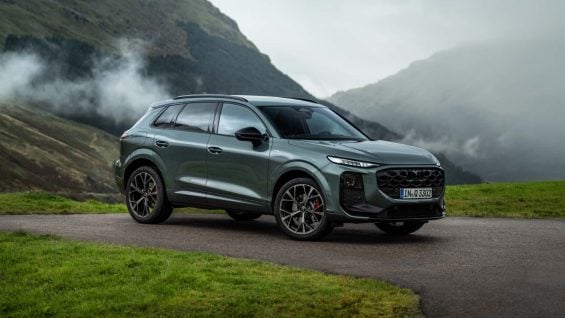
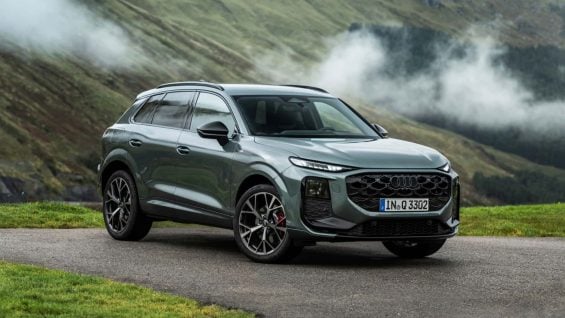
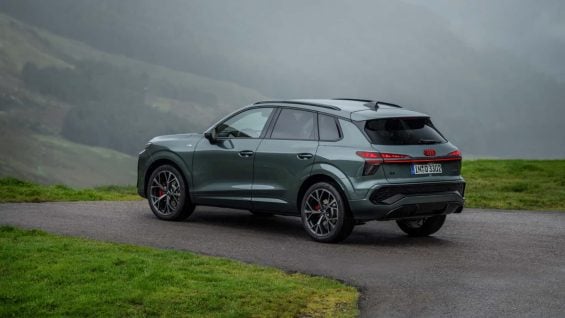
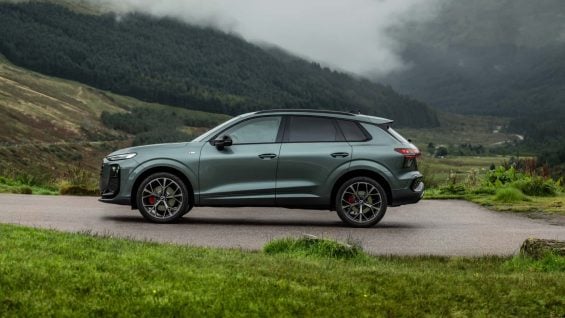
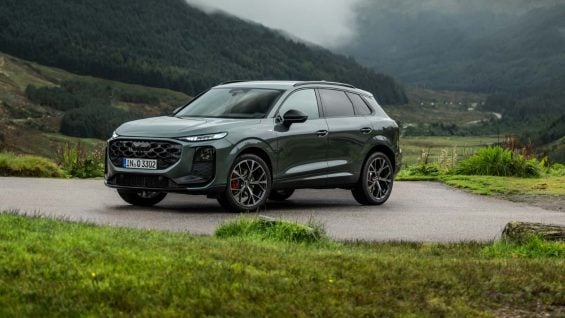
The main competitive advantage of the 2026 lineup is the quattro permanent all-wheel drive, which now has locally assembled components for the first time. Scheduled to debut in stores in the second half of May, the utility will be sold in the Prestige, Performance and Performance Black versions, reinforcing the brand’s strategy of nationalizing high-performance components.



