Discussion about vehicle taxation threatens to delay the Tax Reform and may make Brazilians pay more taxes on general consumption
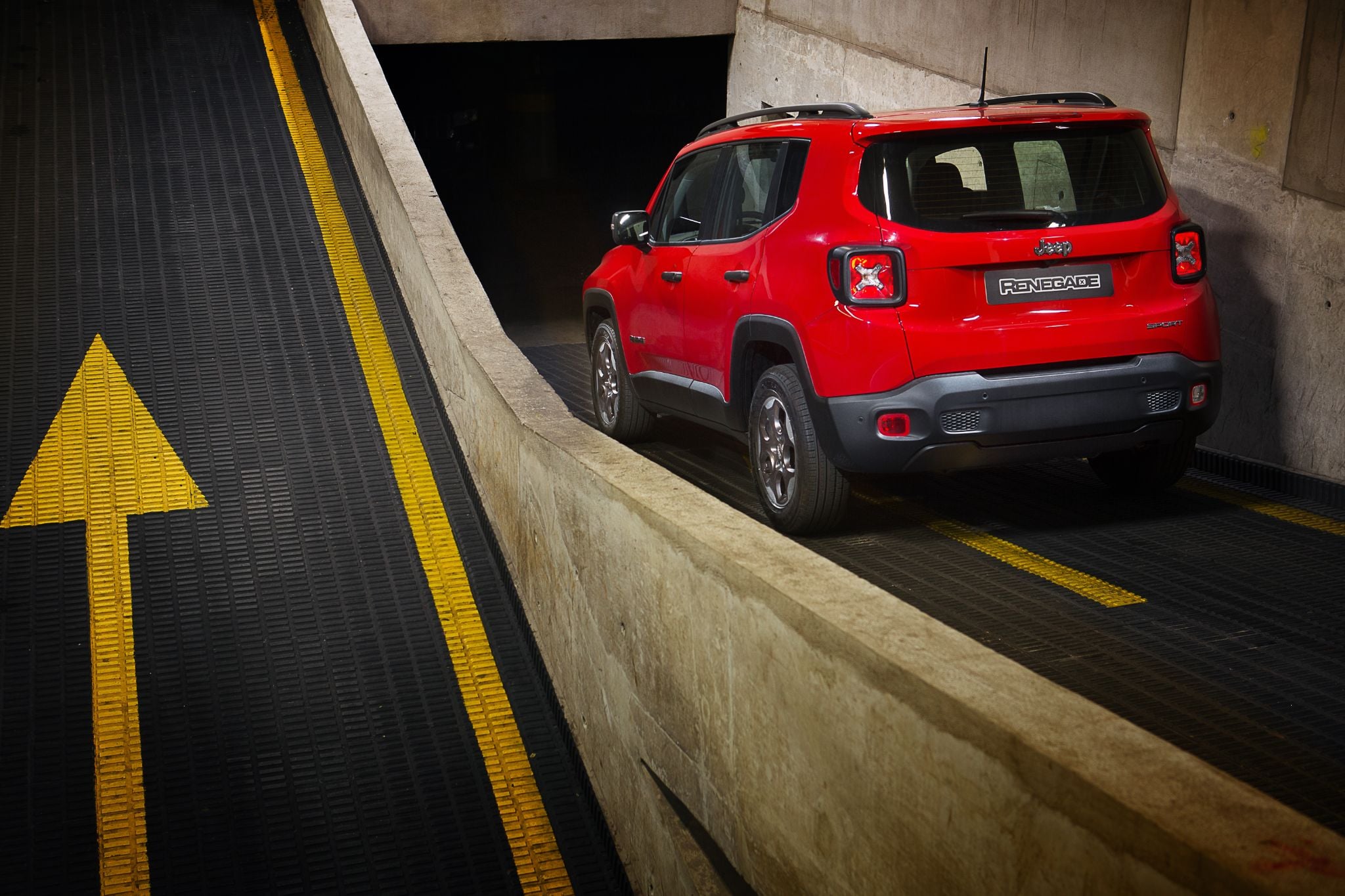
The uncertainty about the collection of the Selective Tax (IS) levied on vehicles has become the main technical obstacle to the advancement of the regulation of the Tax Reform, according to O Globo. Known as the “sin tax”, the tax aims to discourage the consumption of goods that are harmful to health and the environment.
However, the current debate exposes an arm wrestling within the federal government over the level of flexibility of these rates — which tend to be higher on vehicles that emit more pollutants, such as SUVs and diesel pickup trucks and sports vehicles.
On the one hand, the Ministry of Development, Industry, Commerce and Services (MDIC) and the automakers argue that the Executive has room to calibrate the rates over time, as is the case today with the Green IPI. On the other hand, technicians from the Ministry of Finance demand that the values be strictly set in law, ensuring rigidity and greater fiscal predictability.
A solution sewn behind the scenes proposes that the National Congress establish ranges with minimum and maximum rates. The measure would give the government a ceiling for any adjustments, preserving legal certainty and the decarbonization guidelines of the automotive sector in the long term.
SEE ALSO:
The technical urgency, however, comes up directly against the political calendar. The final proposal should be delivered in the coming weeks to President Luiz Inácio Lula da Silva, who will be responsible for dictating the timing of sending it to the Legislature. Behind the scenes, wings of the government advise postponing the discussion to the post-election period. The main fear is that, in an election year, parliamentarians in search of votes will reject the wear and tear of approving unpopular topics.
The regulation of the Selective Tax is treated as a key part of the new tax system, scheduled to come into force in 2027. In addition to vehicles, the tax will be levied on items such as alcoholic beverages, cigarettes, betting and mineral extractive activities. The economic team warns that the delay or emptying of the IS has a direct and bitter cost: without this collection, the standard rate of the Contribution on Goods and Services (CBS) will need to be raised to compensate for the losses, penalizing the consumer in a generalized way.



