New 400 hp electric hatch uses the same factory as the iPhone and may be called ASX GT-e; see details of what probably fastest Mitsubishi in history
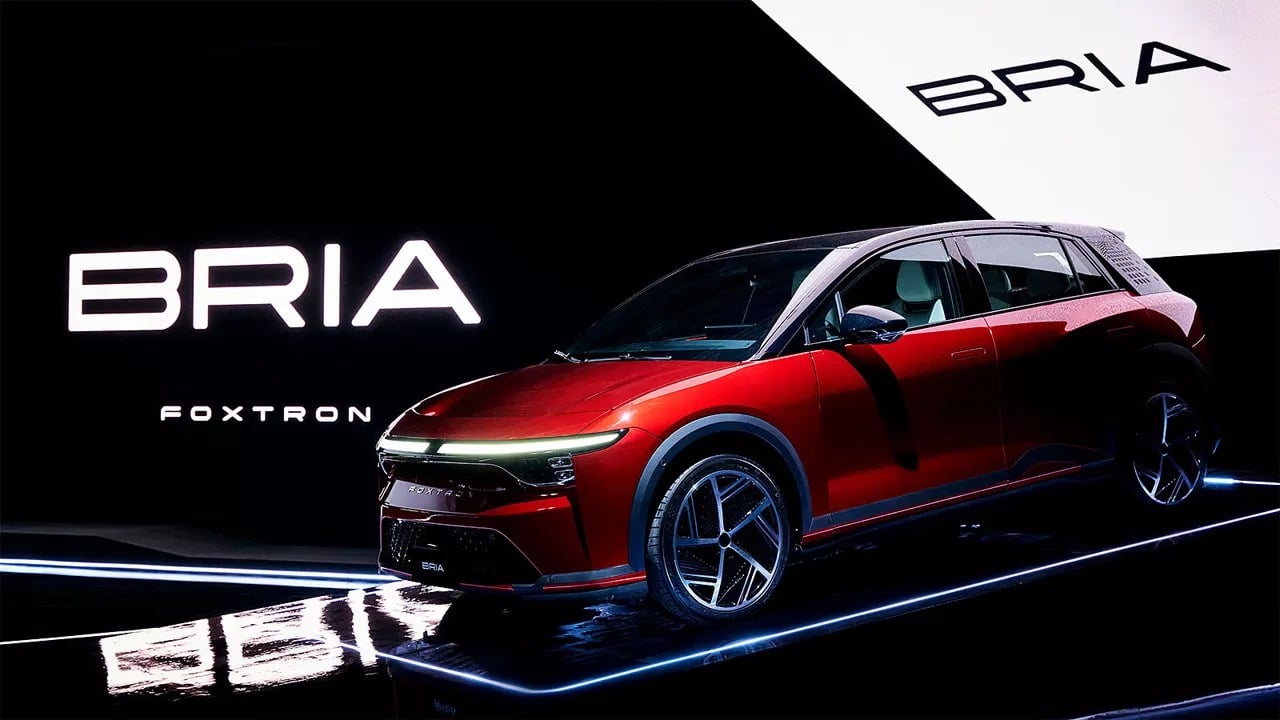
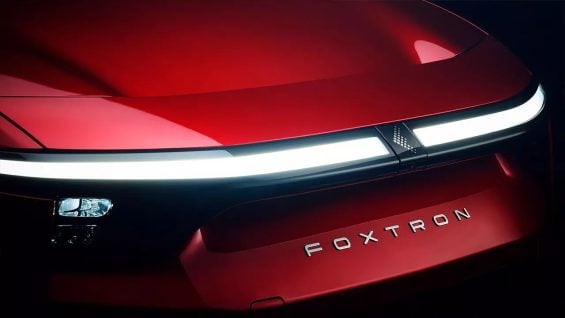
In search of agility to electrify its global portfolio, Mitsubishi entered into a strategic partnership with Foxconn, a Taiwanese giant known for assembling the iPhone. The agreement provides for the Japanese automaker to market its own version of the electric hatchback developed by Foxtron (Foxconn’s automotive division), whose design is signed by the Italian studio Pininfarina.
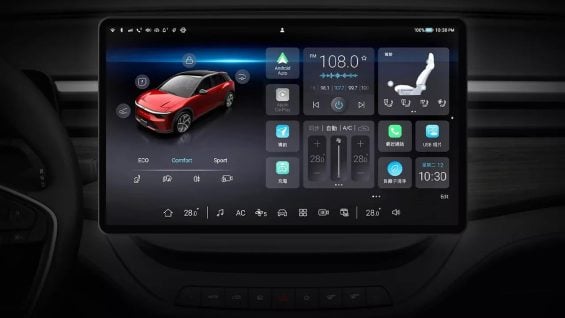
The model, which is already circulating in tests in Australia, uses the base of the Foxtron Model B and should fill the gap of performance electric vehicles in Mitsubishi’s lineup. The strategy of using a rebadge allows the brand to reduce development costs and accelerate the launch of new products.
SEE ALSO:
Although Mitsubishi maintains secrecy about the final technical sheet, the specifications should mirror the original Foxtron design. The hatch is powered by a 57.5 kWh lithium iron phosphate (LFP) battery. The entry-level version, with rear-wheel drive, delivers 229 hp and accelerates from 0 to 100 km/h in 6.8 seconds.
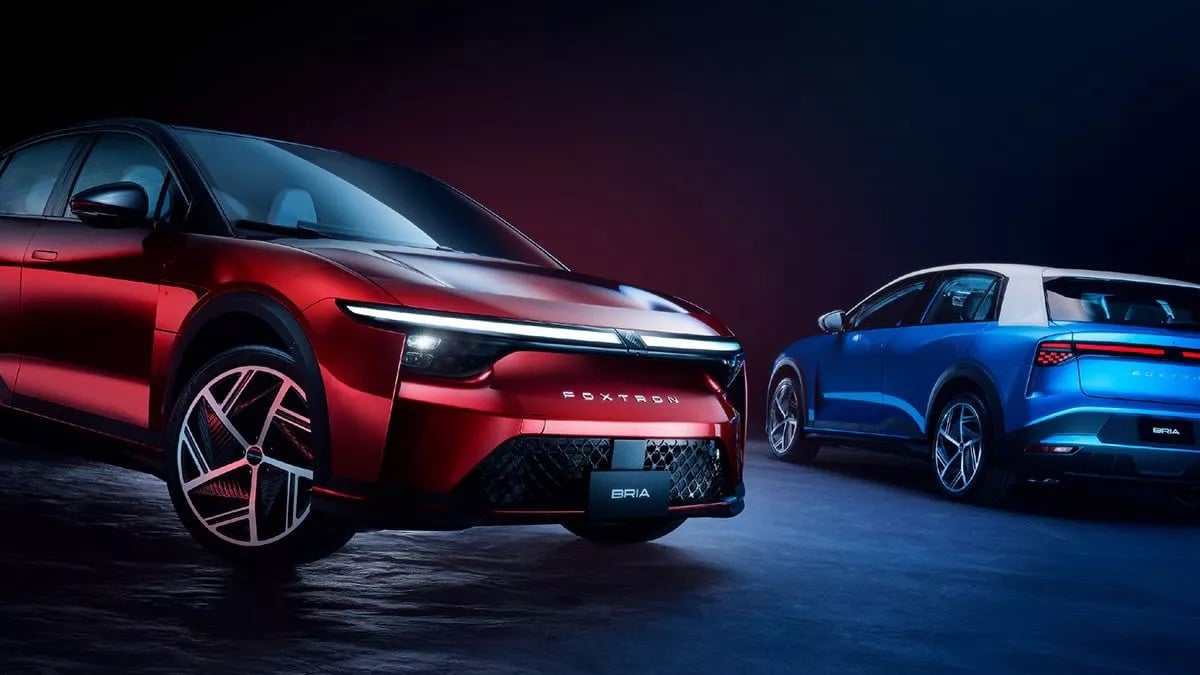
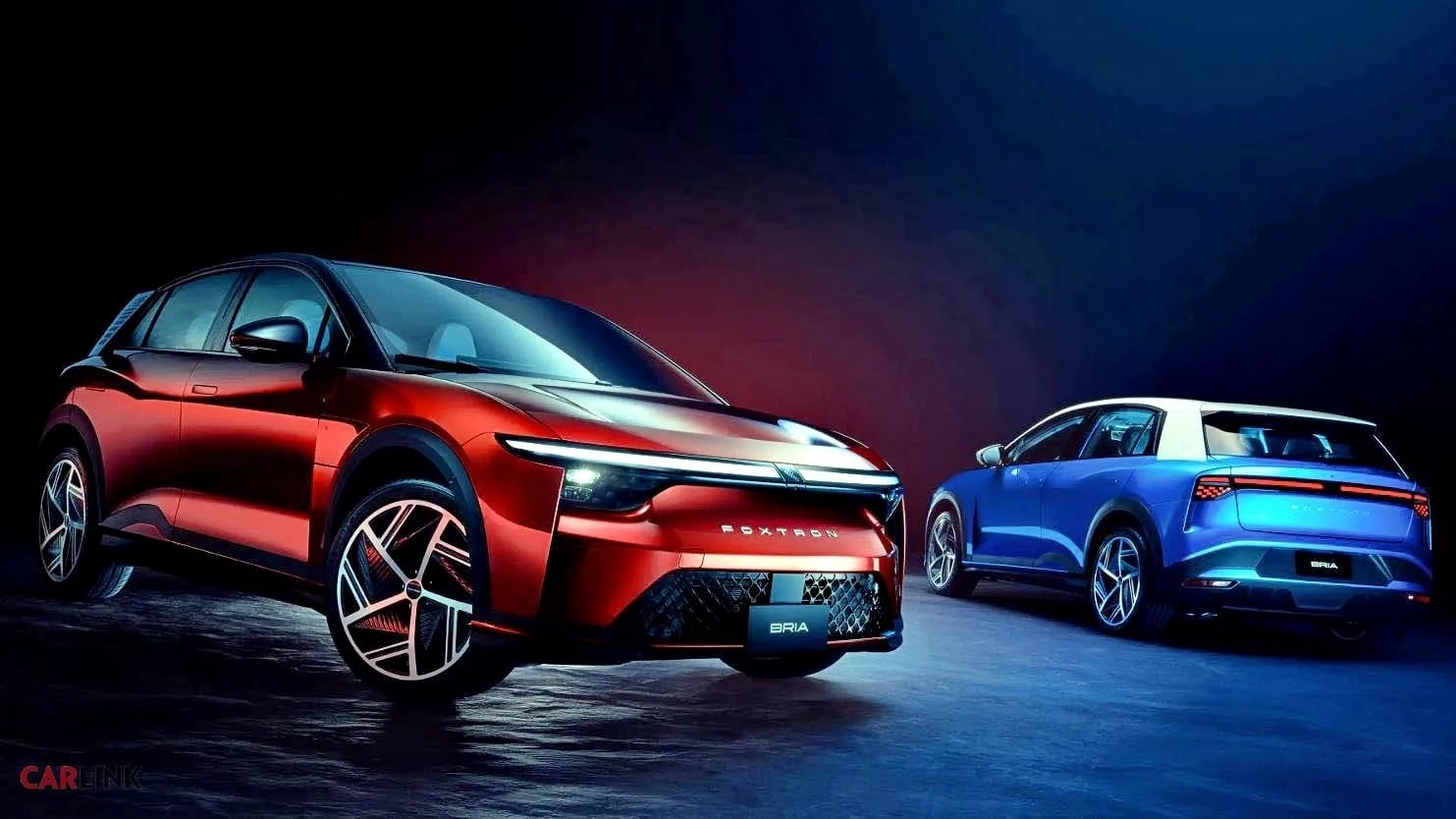
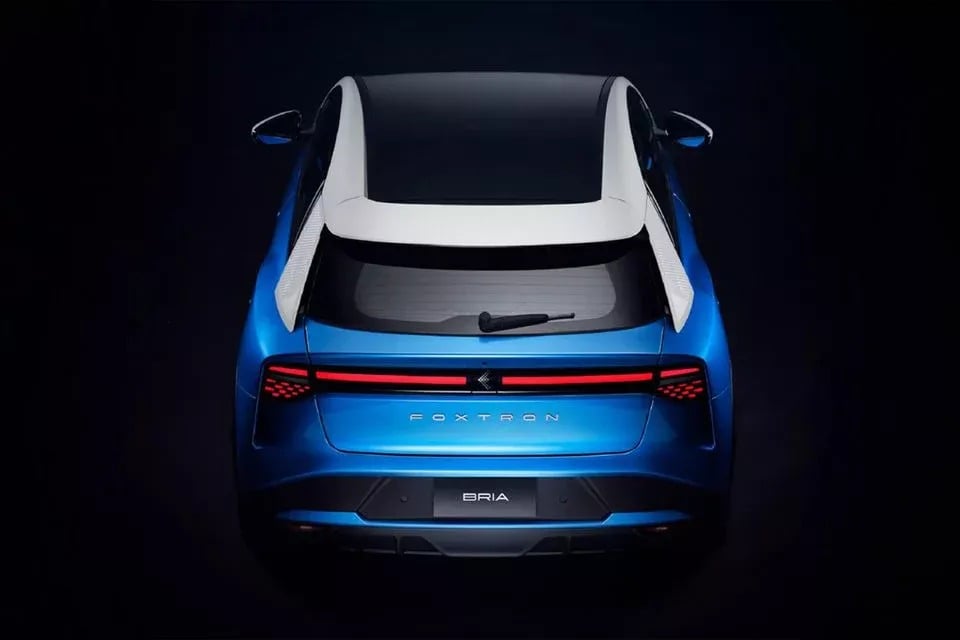
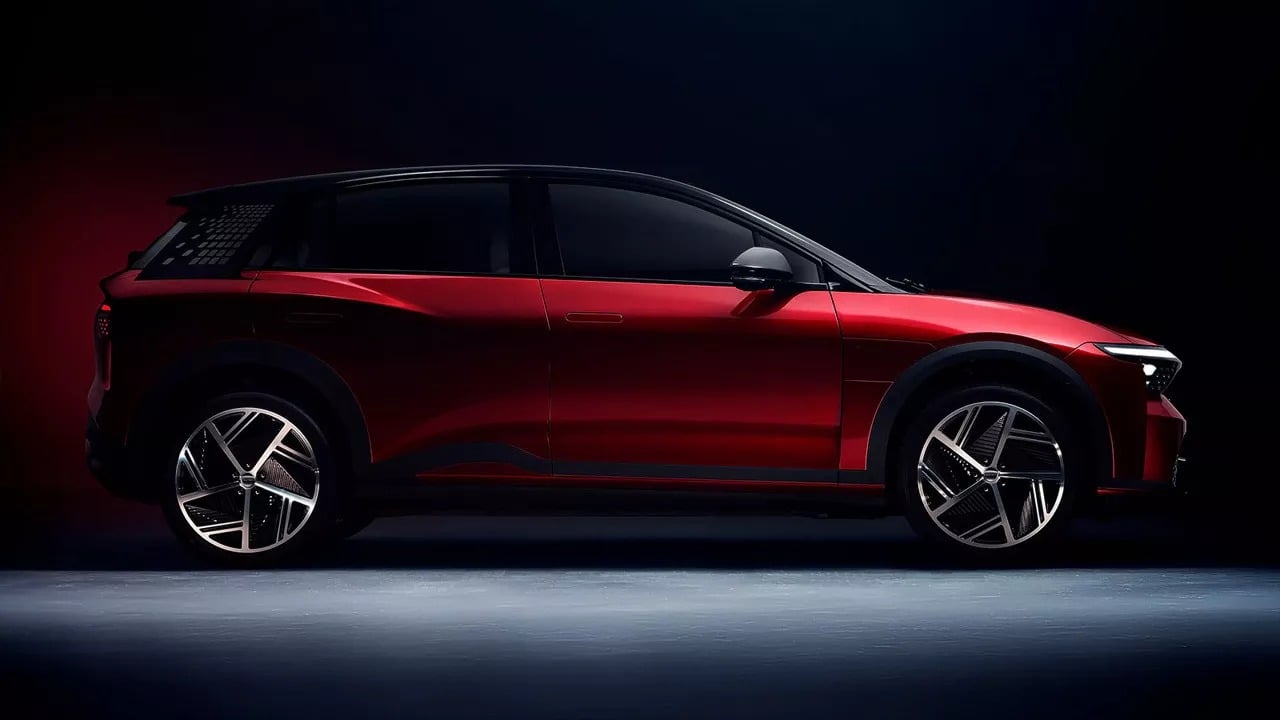
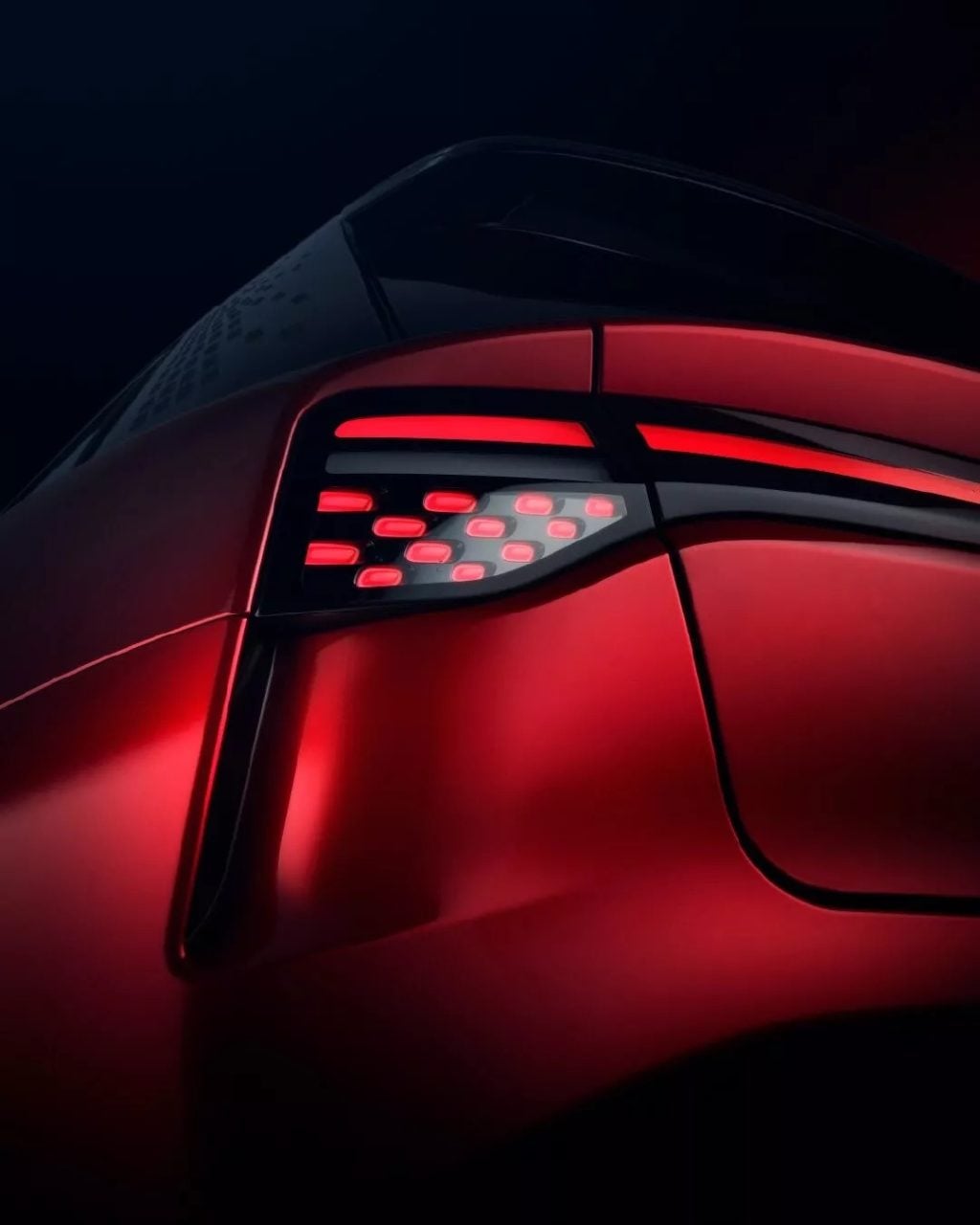
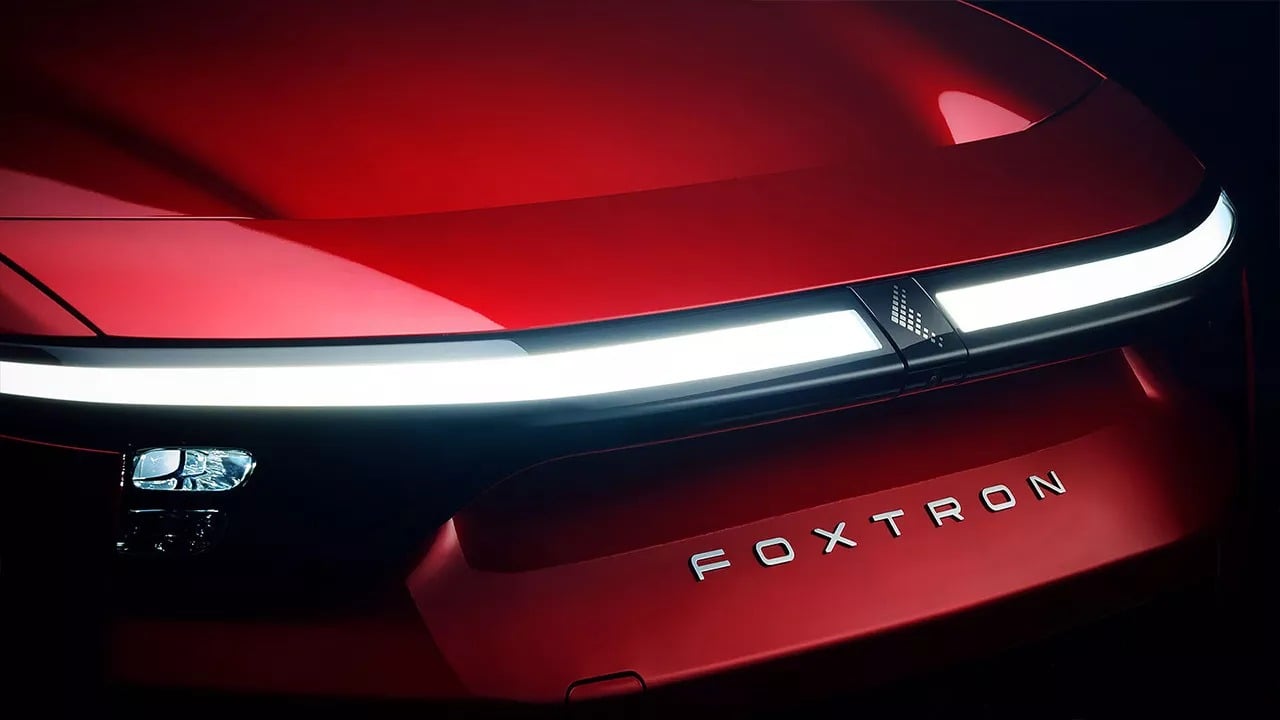
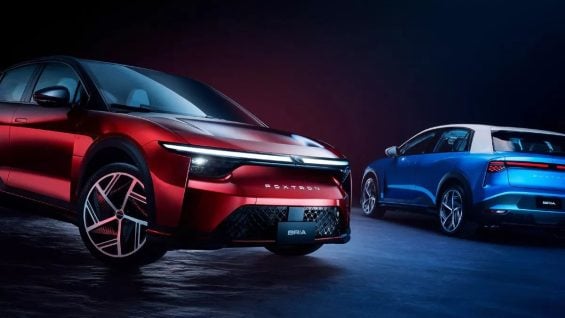
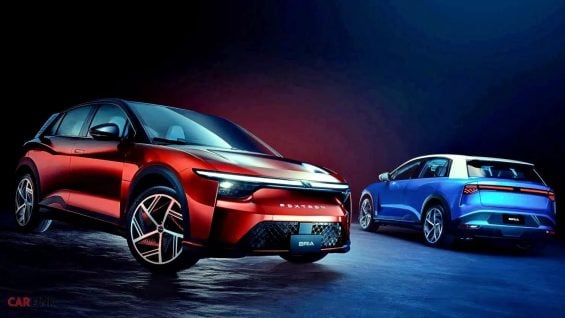
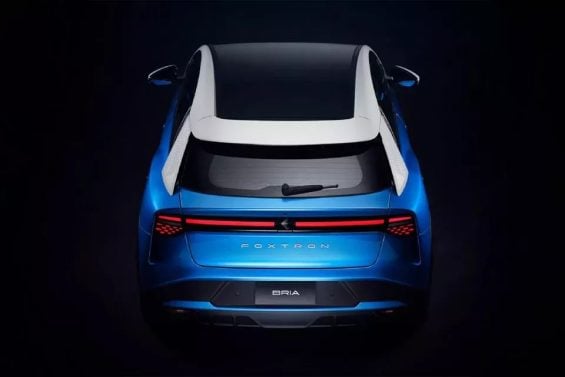
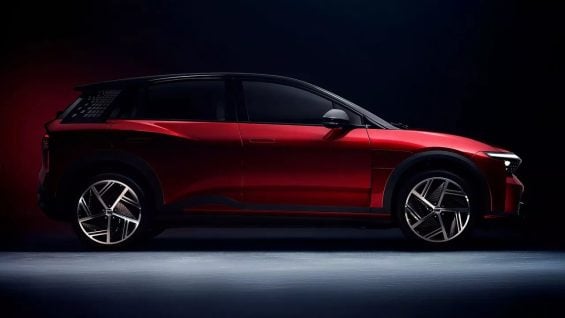

The highlight, however, is the top-of-the-line configuration. Equipped with two motors and all-wheel drive, it offers 400 hp of combined power. If confirmed, this variant will go from zero to 100 km/h in just 3.9 seconds — surpassing the brand’s combustion icons in acceleration, such as the extinct Lancer Evolution. In dimensions, the car has the size of a medium-compact SUV, with 4.31 m in length and 1.88 m in width.
The use of third-party platforms is nothing new for Mitsubishi, which already shares models with Renault in Europe. The initial focus of the new electric seems to be the Asia-Pacific region and Oceania. Patent filings in Australia indicate that the model may adopt nomenclatures such as ASX GT-e or ASX VR-e.

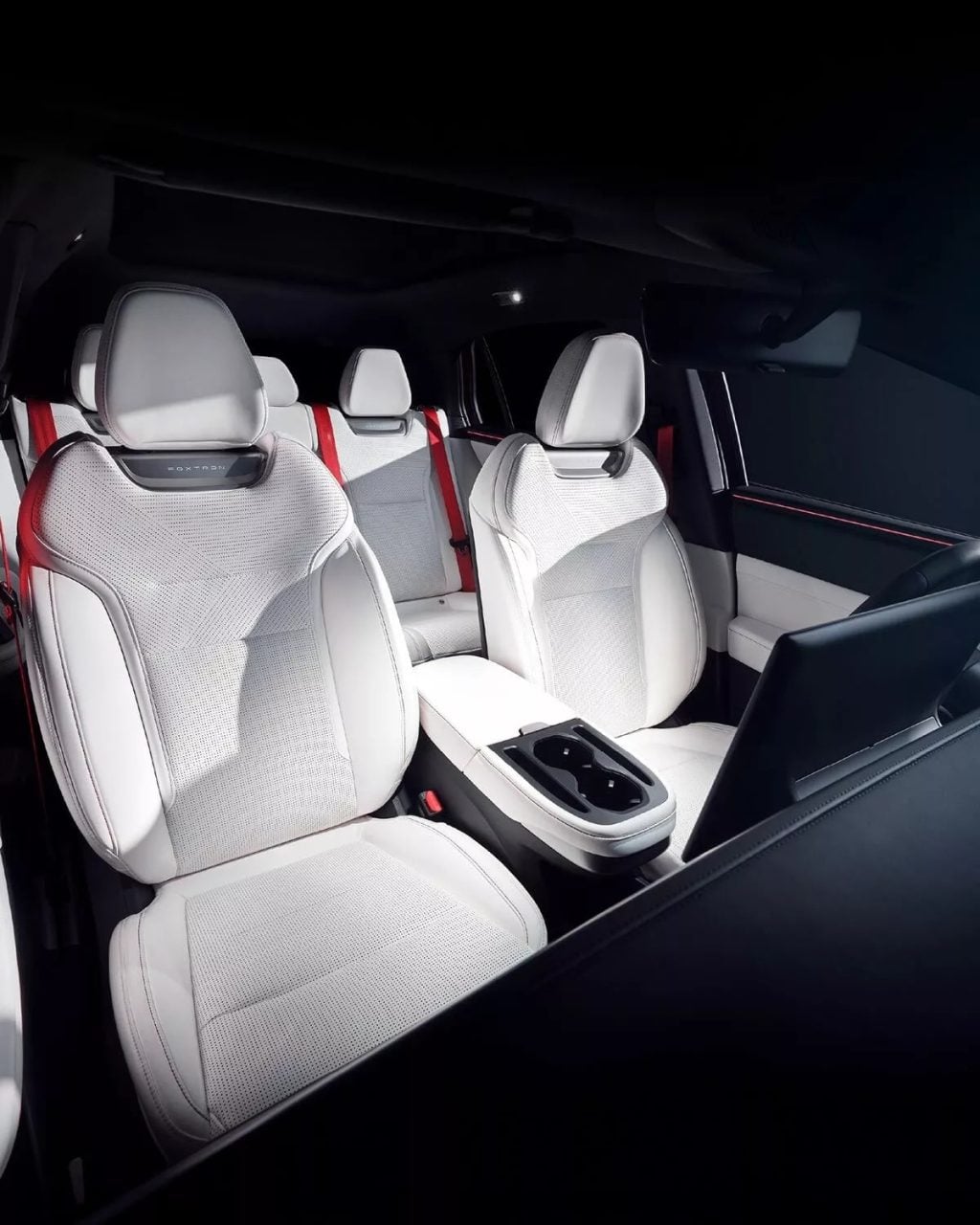
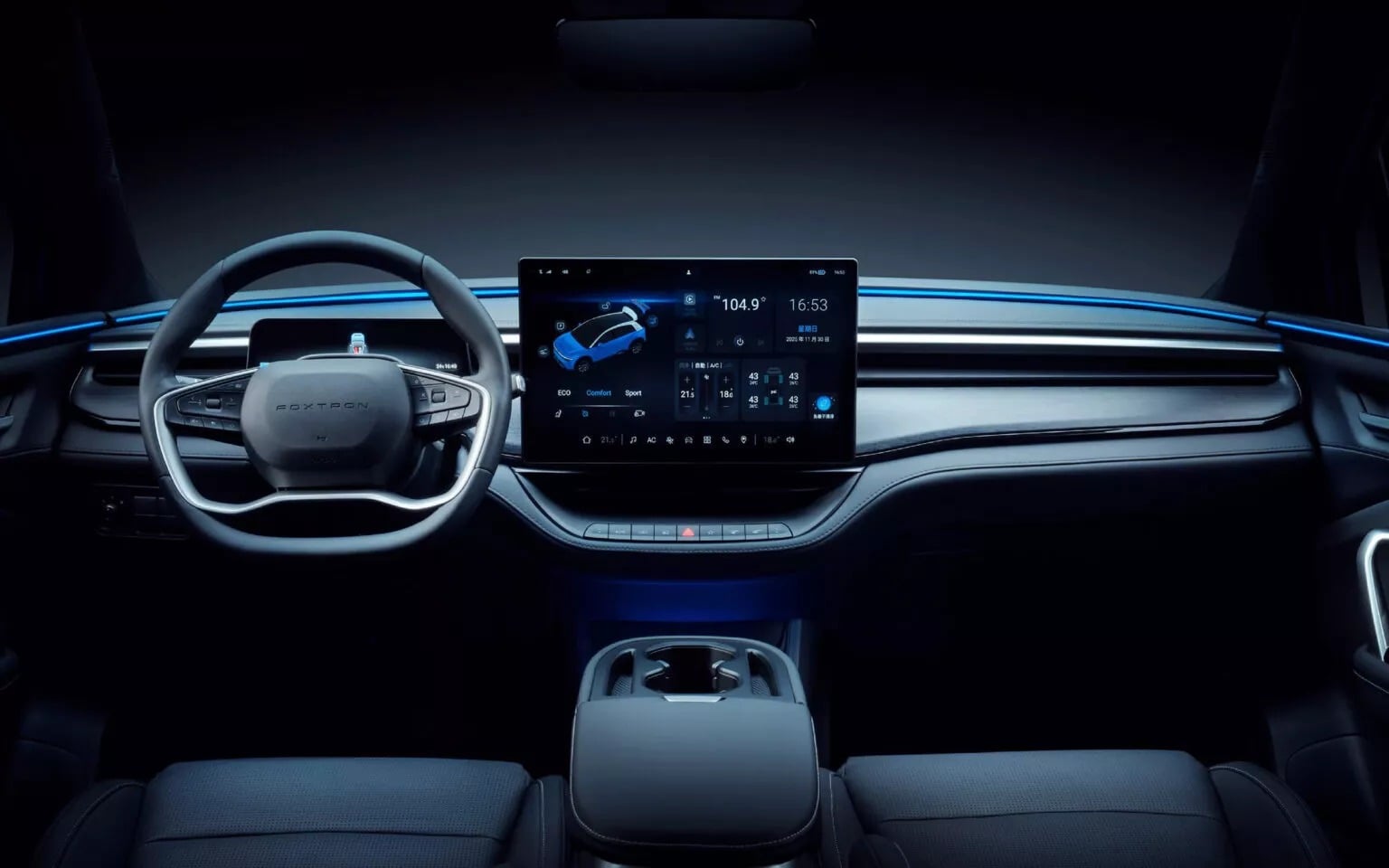
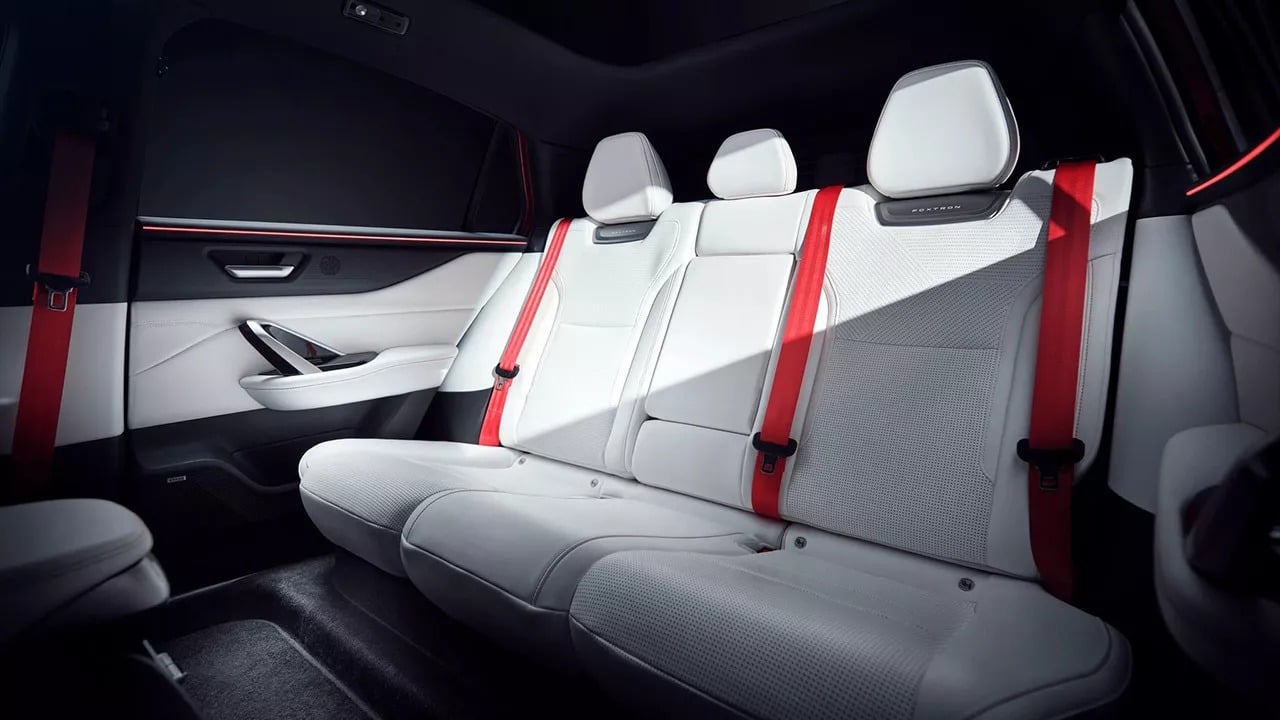
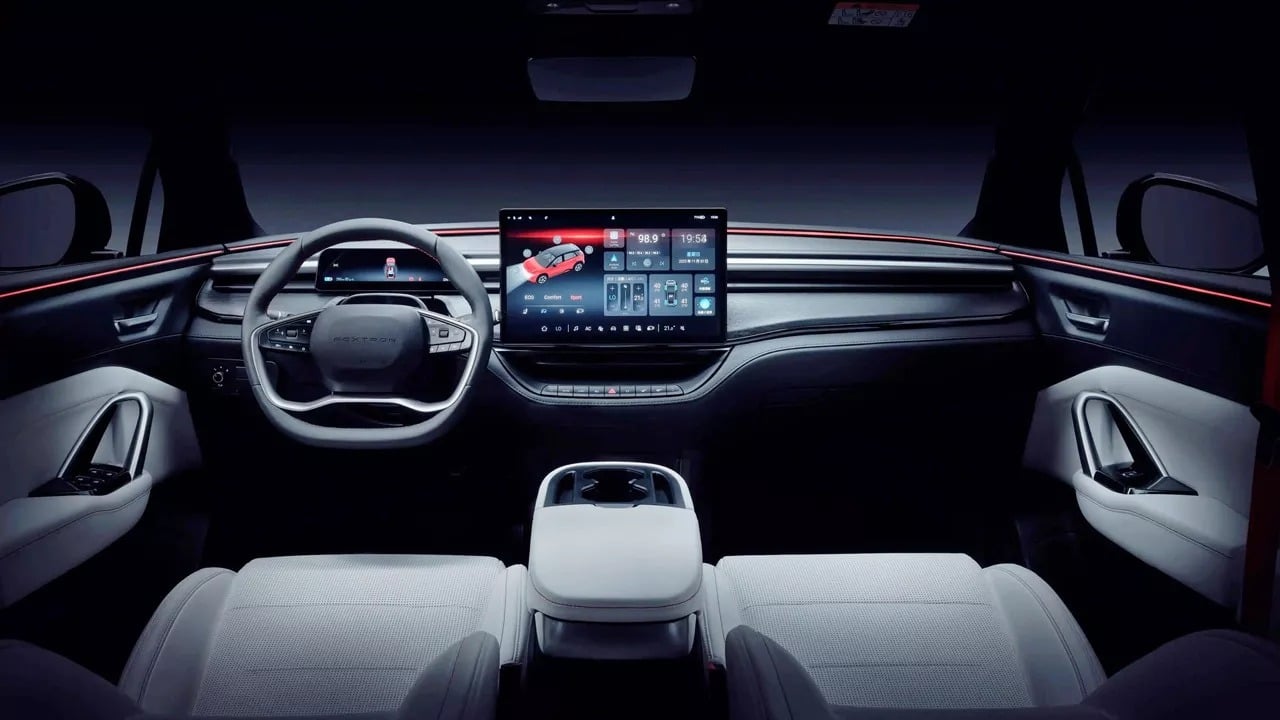
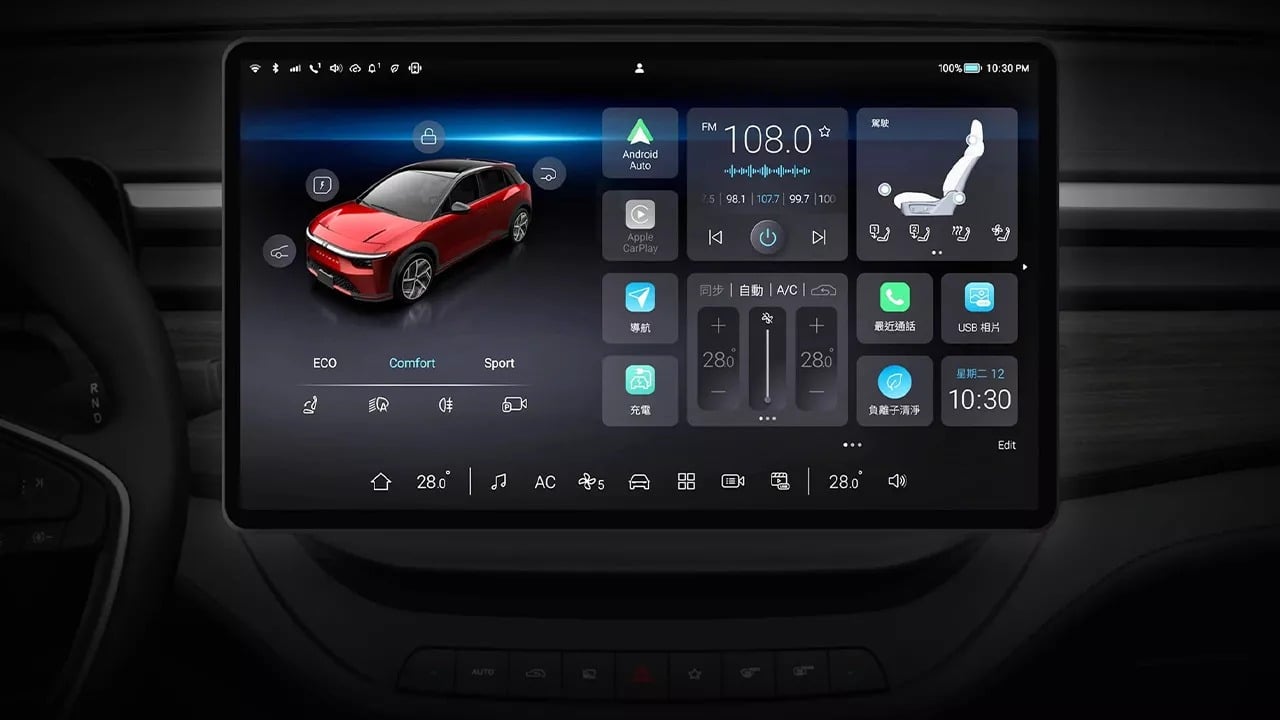


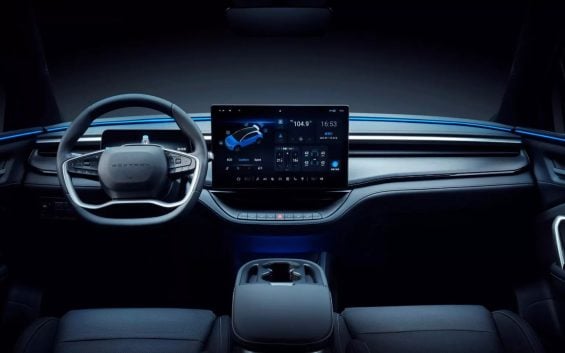
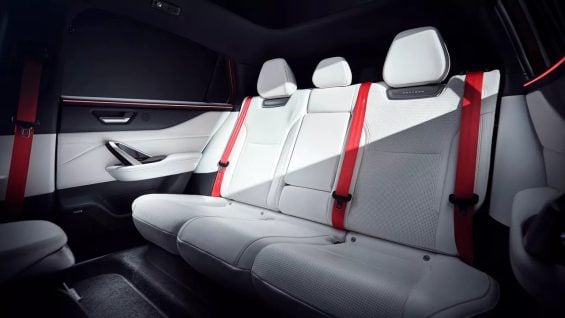
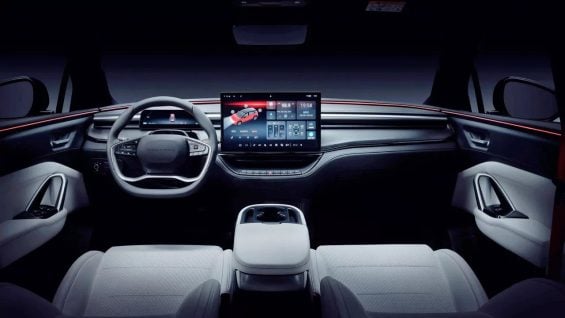
The production, leveraging Foxconn’s industrial capacity, positions Mitsubishi to compete in both the entry-level electric and high-performance segments, without the need to build a new architecture from scratch at this time.



