Understand how the use of microfiber towels in automotive detailing requires special care, especially in the application of ceramic coating
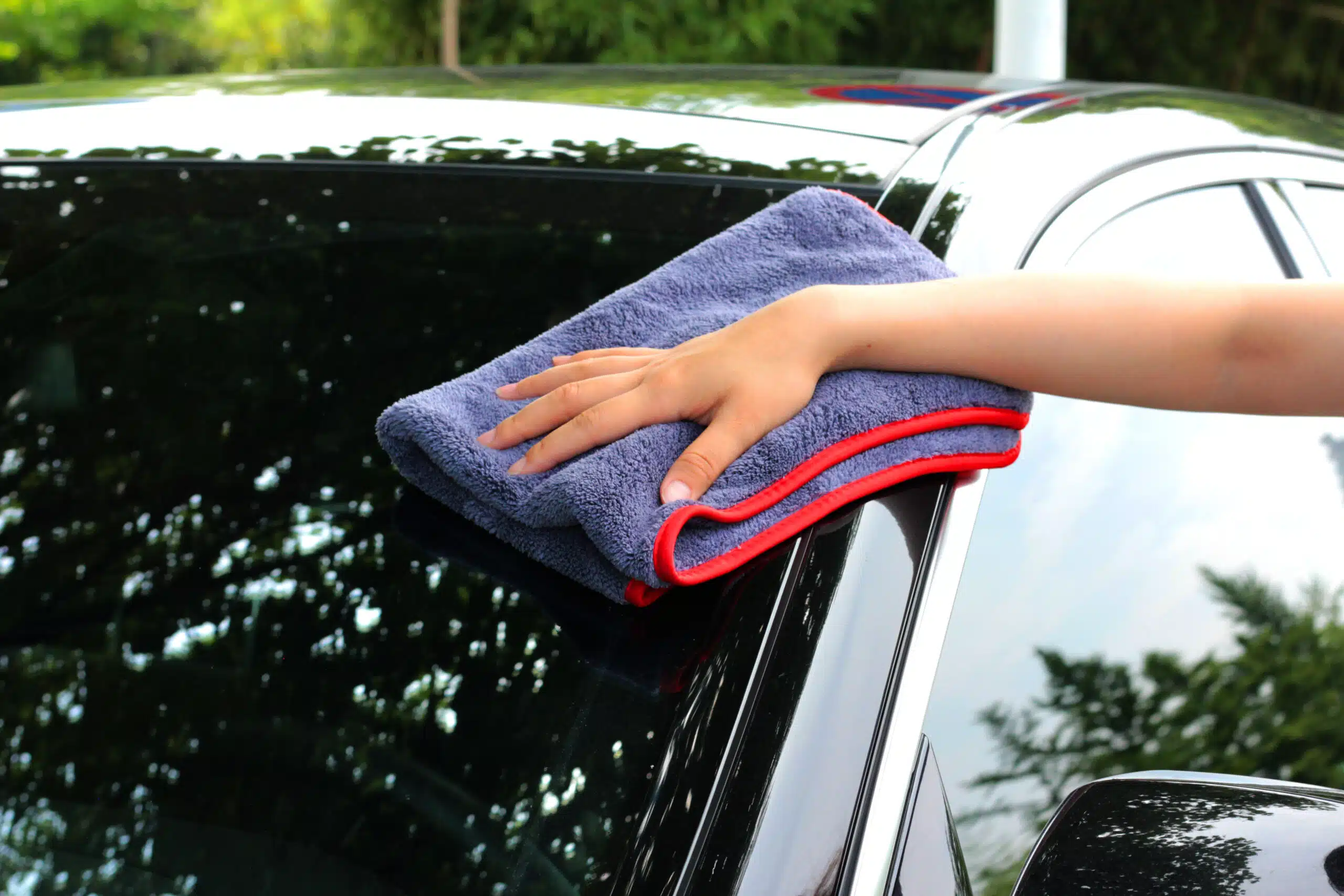
An essential tool in automotive aesthetics, the microfiber towel is valued for its softness and absorption capacity. However, when used in the application of ceramic coatings — also called glazing — it becomes a trap for painting. This is because, experts warn, after this specific procedure, the accessory must be discarded or permanently lowered for heavy tasks, at the risk of causing irreversible damage to the vehicle’s varnish.
The problem lies in the chemistry of the product. Ceramic coatings are composed of polymers that, during the curing process, crystallize. As the function of microfiber is precisely to absorb the excess product for leveling, these residues harden between the wefts of the fabric. The result is that the towel, previously soft, starts to carry microscopic rigid fragments, behaving like fine sandpaper in later uses.
SEE ALSO:
Even industrial washes hardly fully remove silica or quartz residues crystallized in synthetic polyester and polyamide fibers. By reusing this material in the bodywork, the owner or the washer may notice the appearance of circular marks and superficial scratches, nullifying the aesthetic benefit of the previous treatment. The same principle applies to accidental falls: if the towel touches the floor, it collects mineral particles that make it unsuitable for drying the paint.
Total disposal is not always necessary, but segregation is mandatory. Detailing professionals recommend a system of “lowering” the material. A towel used to remove ceramic or wax, after washing, should never touch the painting again. However, it can still be useful in less sensitive areas that do not require a mirror finish, such as cleaning the interior of wheel arches, exhaust tips, engine compartment or lower parts of the suspension.



