Patent from the German automaker describes innovative technology that can be controlled by cell phone to relieve muscle tension in those who drive
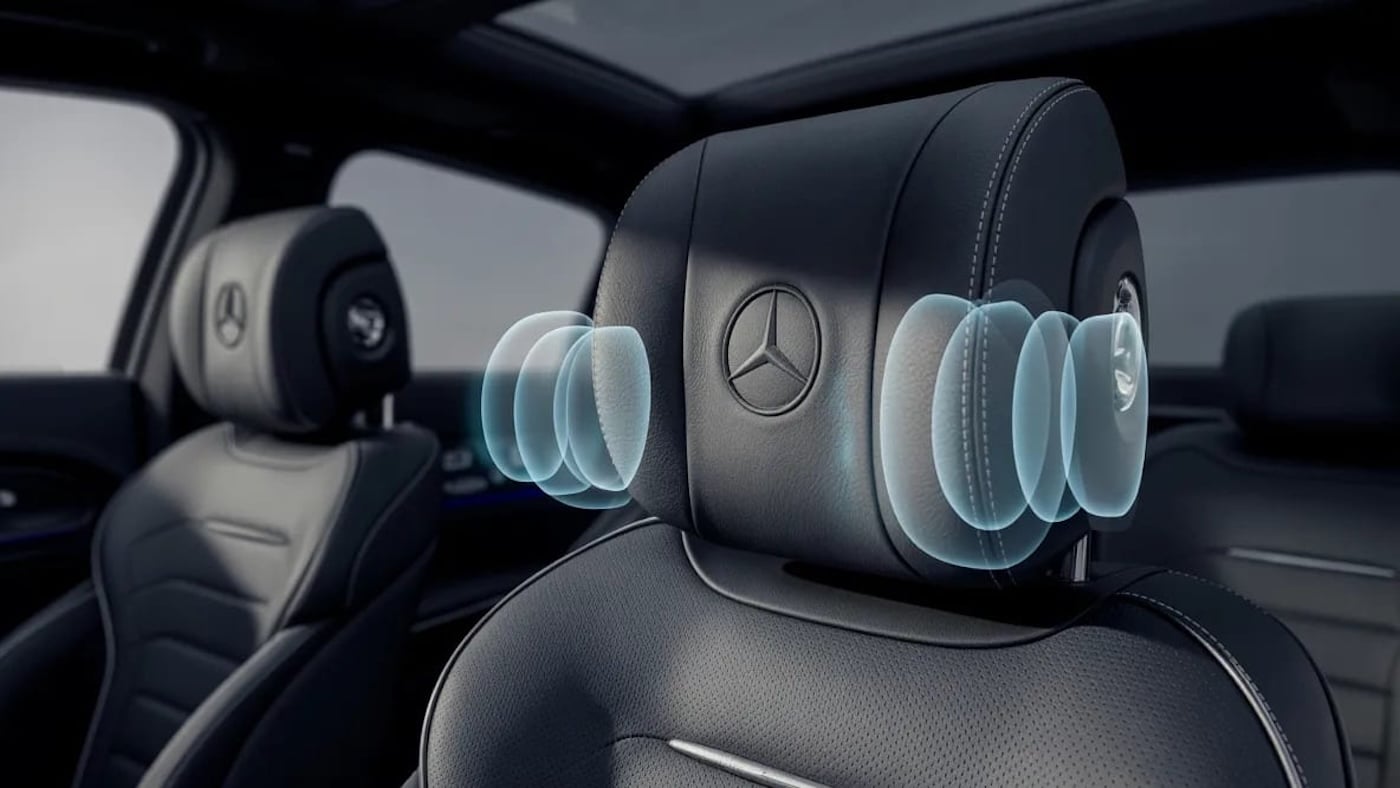
Mercedes-Benz has filed a patent for an unprecedented headrest, equipped with a massage function specifically aimed at the scalp of the occupants. In the official document, the German automaker justifies the innovation not only for luxury, but as a safety feature. That’s because technology promises to mitigate muscle tension, fatigue and headaches — factors that directly impact attention and driving quality.
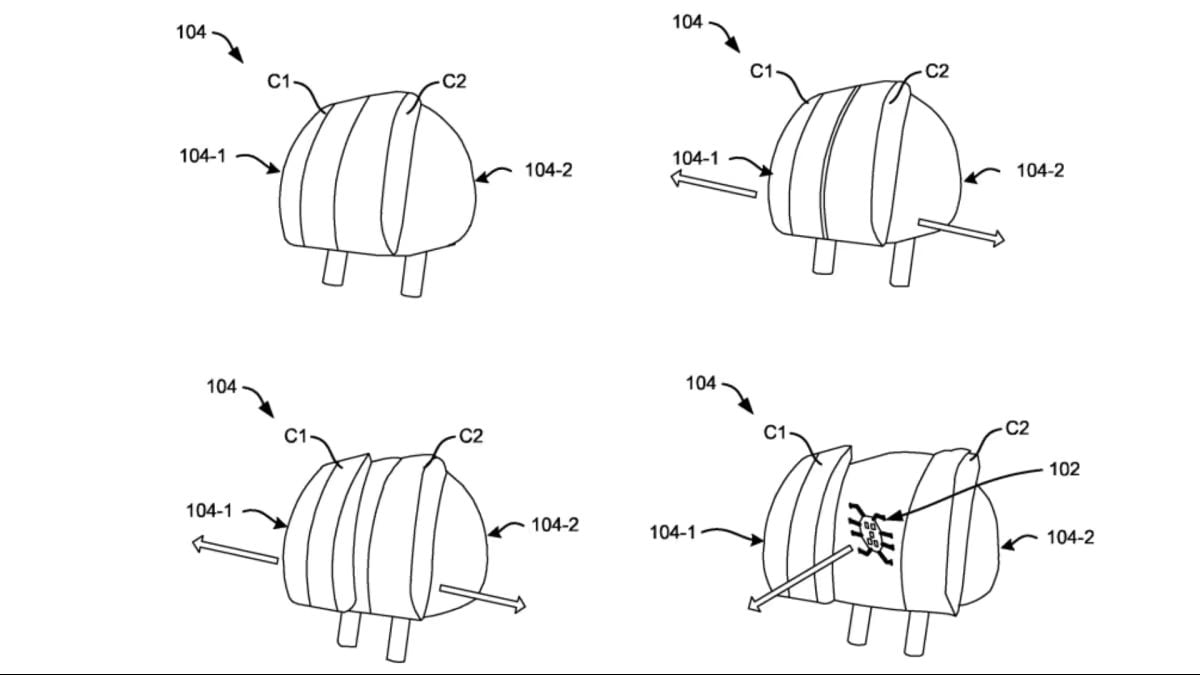
Originally identified by the CarBuzz portal and detailed by Autoblog, the project describes a compact mechanical unit discreetly integrated into the backrest. The system relies on small, automated movable arms, capable of rotating and vibrating synchronously to adjust to different areas of the head. To ensure effectiveness, built-in sensors detect the height and posture of the passenger or driver, adapting the operation in real time.
Driven by a silent electric motor, the mechanism can be controlled by the vehicle’s multimedia center, by physical buttons on the dashboard or via smartphone application. It is designed to operate independently or in sync with the complex body massage systems already in place on the brand’s benches.
SEE ALSO:
The new patent illustrates the escalation in the race for automotive luxury. The novelty adds to other recent initiatives by the manufacturer in its top-of-the-line models, such as the recently presented S-Class 2027 and the exclusive versions of the Mercedes-Maybach division, which already offer heated, ventilated seats and relaxation therapies.
Despite the detailed registration, there is no confirmation that the massage backrest will be applied to production vehicles in the short term. As is customary in the automotive industry, many patents are preventive in nature — a strategy by automakers to protect intellectual property before competitors explore the same idea.



