With a new battery and 800 V architecture, AWD Sports+ Special Edition configuration doubles the power of the model to challenge premium rivals
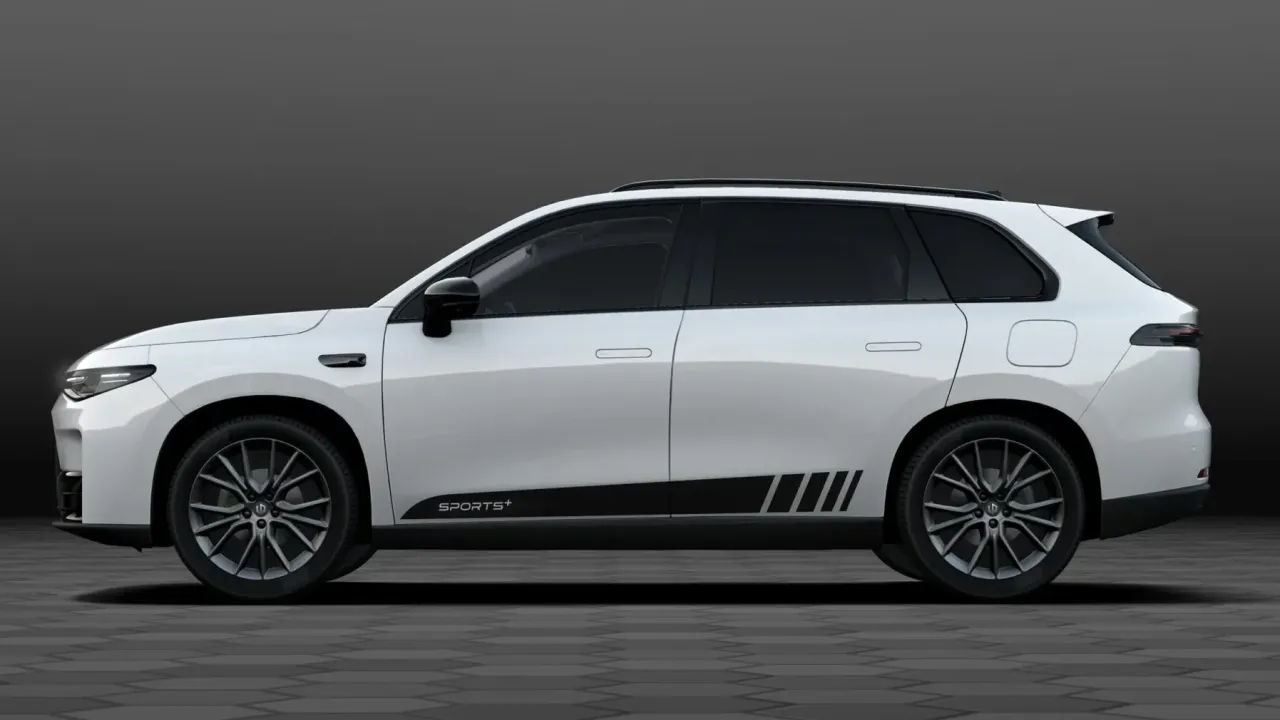
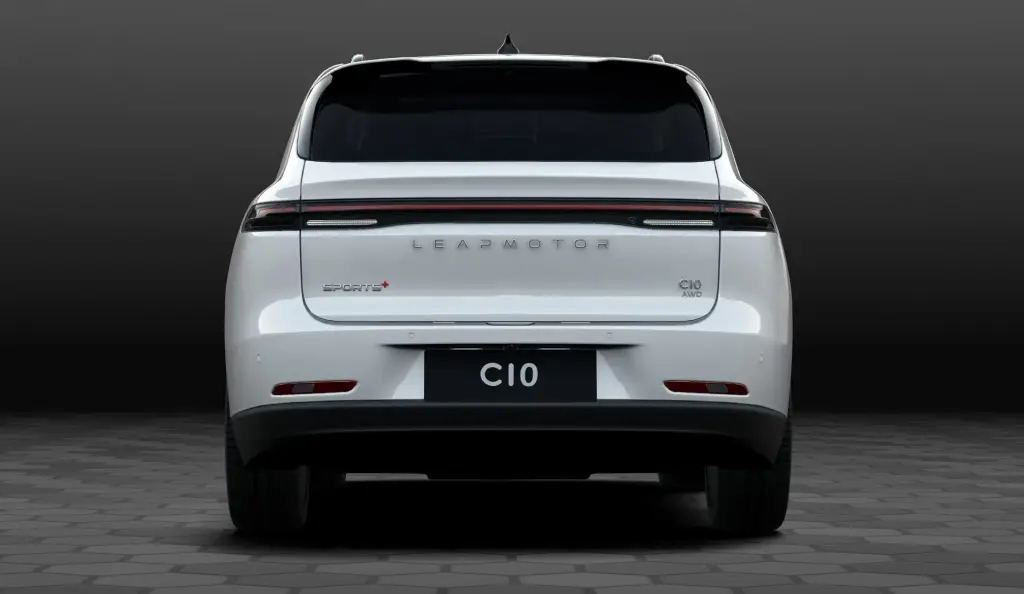
Known in the Brazilian market for its family appeal and focus on efficiency, the Leapmotor C10 SUV has just gained a variant that completely subverts its original positioning. The Chinese manufacturer unveiled in Australia the unprecedented C10 AWD Sports+ Special Edition configuration, which adds all-wheel drive and elevates the electric SUV to a high-performance level, rivaling premium models.
The great differential of the novelty is in the powertrain: while the BEV and REEV versions sold in Brazil prioritize rationality, the Sports+ is equipped with two electric motors that, combined, deliver 598 hp and 77,49 kgfm — a jump that more than doubles the strength compared to the conventional version. This extra breath allows the utility to accelerate from 0 to 100 km/h in a quick four seconds, entering the dynamic territory of super sports cars, while preserving the interior space for family use.
SEE ALSO:
To sustain the new performance without sacrificing usability, Leapmotor has adopted an 800 V electrical architecture and a new battery, now with 81.9 kWh and LFP chemistry. Despite the strong demand for energy generated by the two engines, the model guarantees a range of 437 km, measured in the rigorous WLTP cycle. The high-voltage system also optimizes fast recharging: the batteries go from 30% to 80% in just 22 minutes, a considerable time reduction compared to the standard model.
In the Australian market, the sports version has been priced aggressively: it will cost 53,888 Australian dollars (about R$ 195,000), which represents an increase of about 10,000 dollars compared to the base version, challenging competitors such as the Tesla Model Y and the BYD Sealion 7.
Despite the superlative figures, there is still an unknown about the drivability of the new C10. The Asian manufacturer did not detail whether it made the necessary adjustments to the brakes, steering calibration and suspension adjustment to deal with the radical increase in power. The response of the chassis to this mechanical stress will be the determining factor in confirming whether the model delivers in practice the same stability that it promises on paper.



