After public resistance, Italian automaker abandons all-battery vehicle plan and will focus on plug-in hybrids to meet EU rules
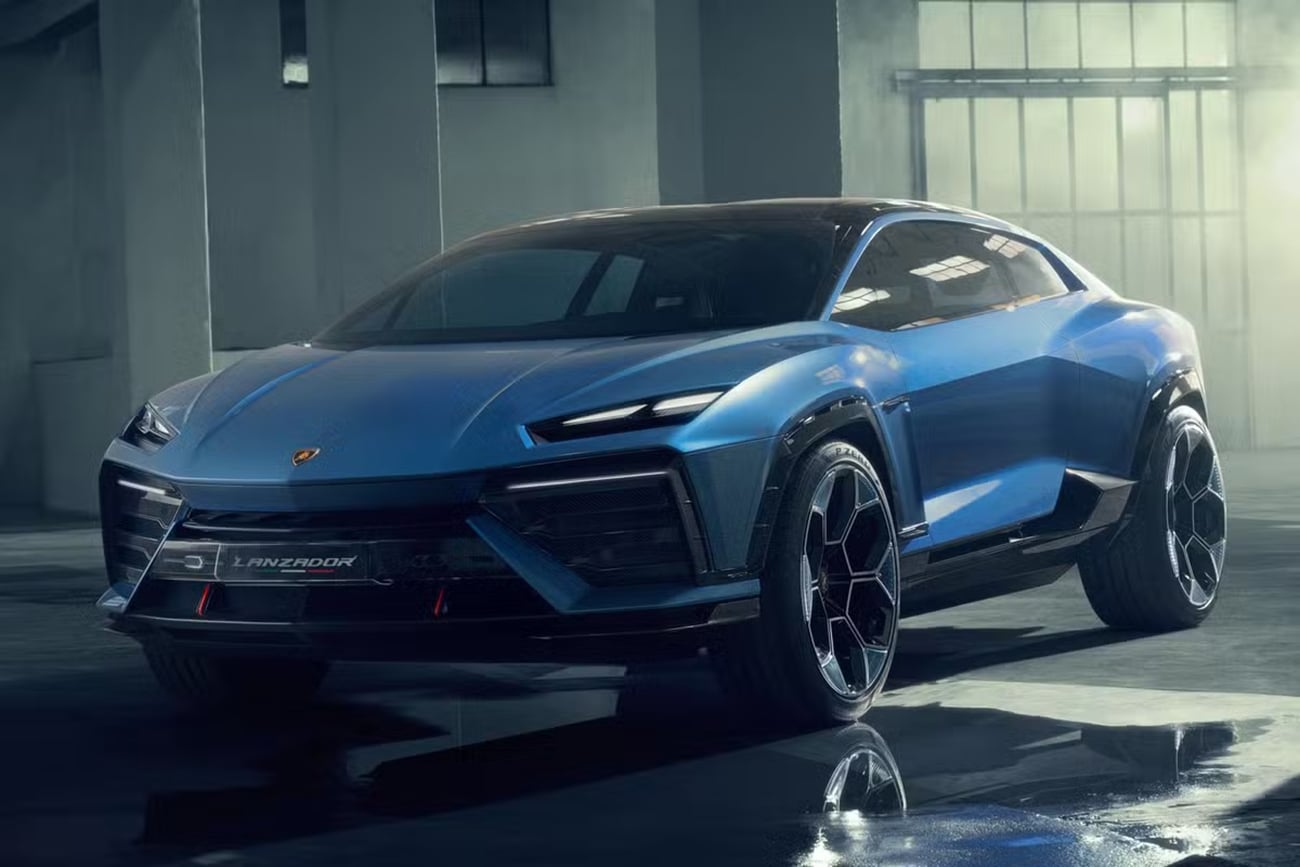
Lamborghini has decided to cancel the production of what would be its first 100% electric car. The model, derived from the Lanzador concept, was initially scheduled for launch in 2028. However, the strong resistance of the high-end consumer public led the company to review its total electrification strategy.
Announced almost three years ago, the project symbolized the entry of the traditional super sports car brand into the market of vehicles powered exclusively by battery. After a previous postponement to 2029, the automaker’s top management chose to discard the purely electric version. The central reason is the lack of affinity of the target audience with silent engines.
SEE ALSO:
In an interview with the British newspaper The Sunday Times, Lamborghini CEO Stephan Winkelmann was categorical in stating that customer interest in a “rabid bull” without the traditional roar of a V8 or V12 engine is practically nil. According to the executive, electric vehicles do not offer the emotional connection and raw essence that buyers of the brand demand.
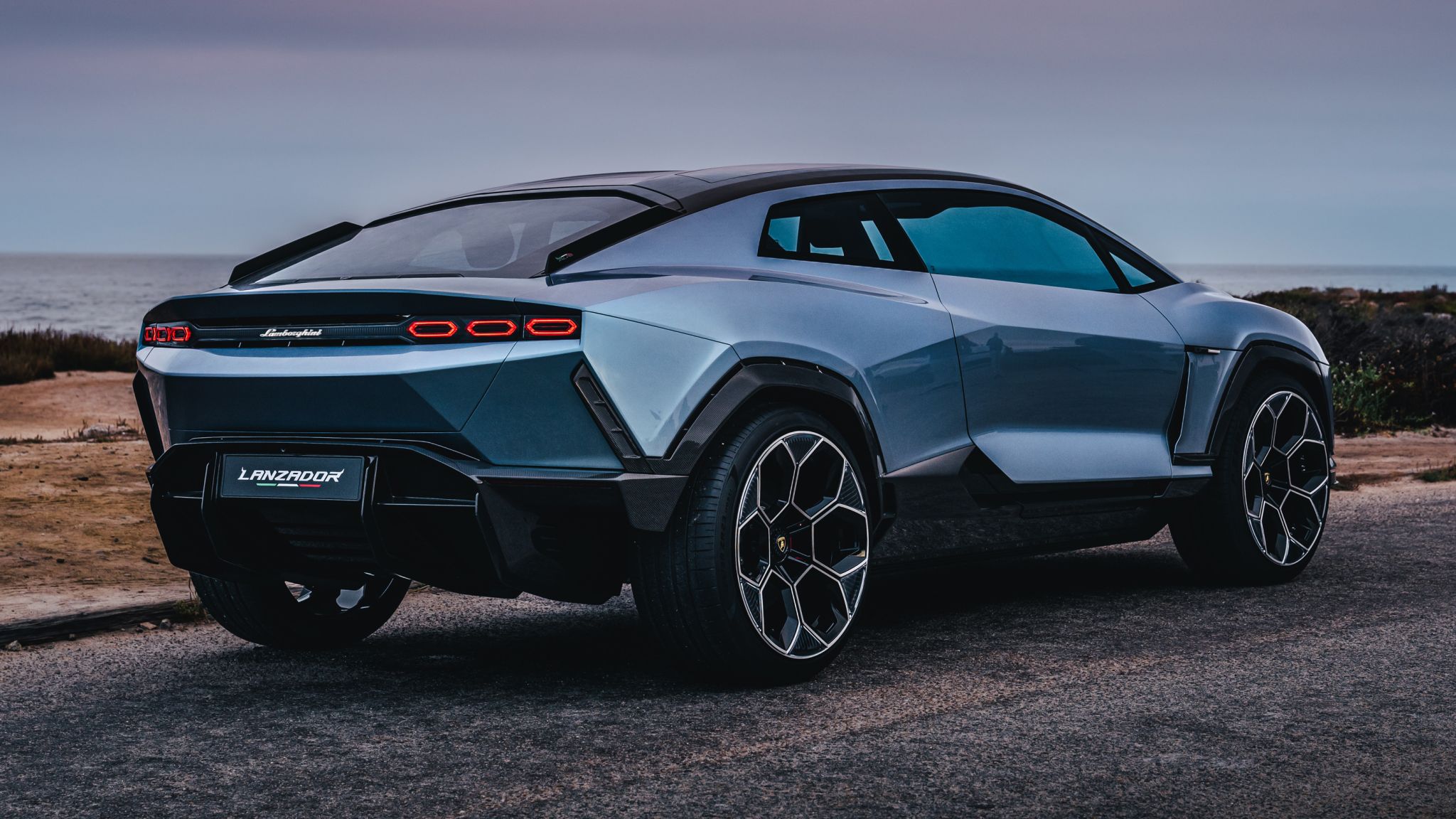
The definition of Lanzador’s future did not occur overnight. The decision required more than a year of internal evaluations and consultations with dealerships. For Winkelmann, betting on fully electric cars at this time would be an “expensive hobby” and financially irresponsible, since it requires high investment for a low and uncertain return.
Despite the setback, the Lanzador project was not shelved. Lamborghini plans to launch it as a plug-in hybrid vehicle by the end of the decade. The same logic will be applied to the next generation of the Urus, ensuring a pragmatic middle ground. In this way, the manufacturer seeks to balance the regulatory requirements of decarbonization of the European Union with the preservation of the identity that has consecrated it in the market.



