Final unit of the F-Pace SVR SUV leaves the Solihull plant straight to the brand's collection; automaker will take a productive hiatus until launching new electric line
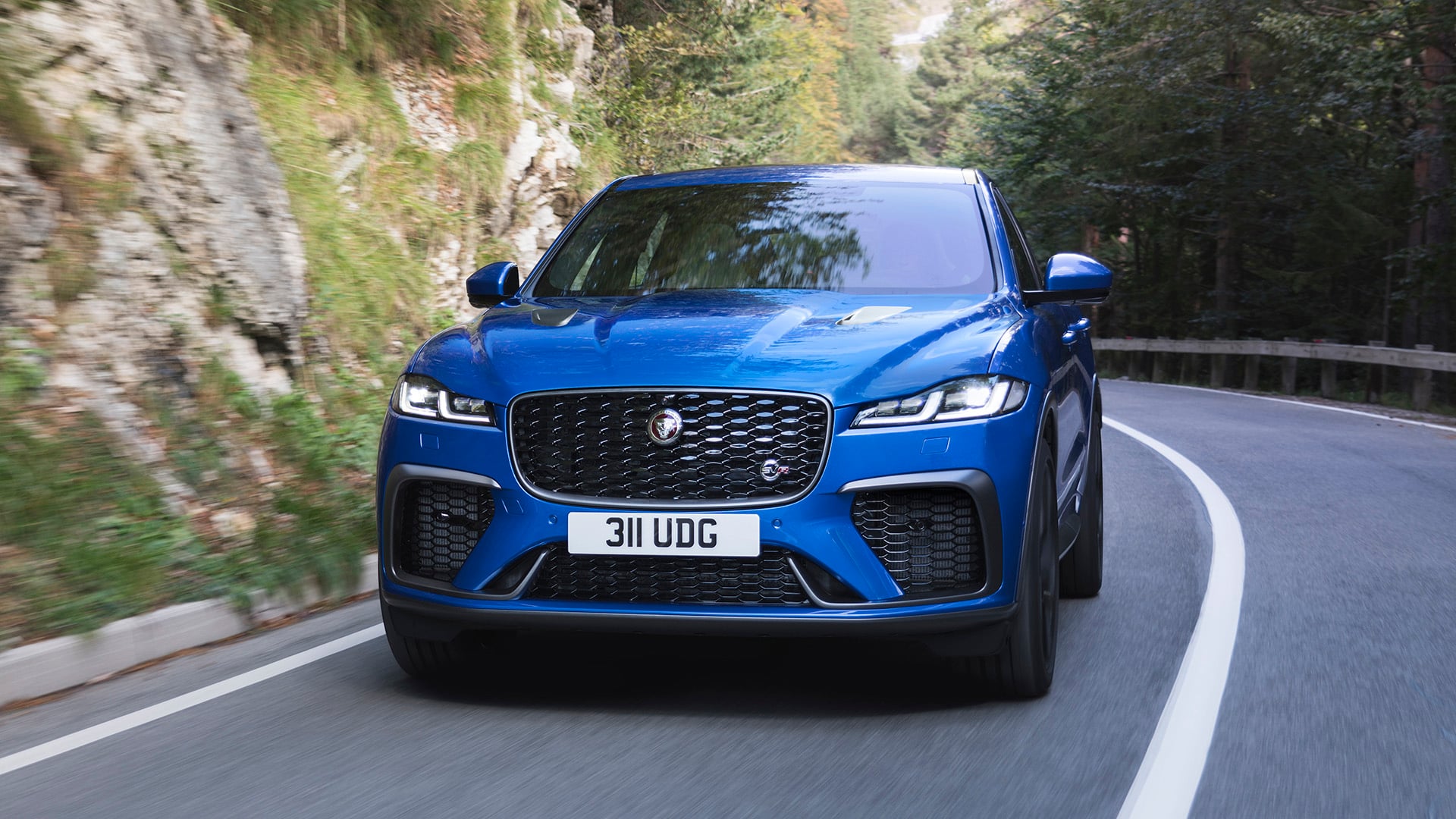
Jaguar this week ended a 90-year cycle of traditional automotive engineering. The Solihull plant in the United Kingdom has completed production of the brand’s last vehicle equipped with a strictly combustion engine. The milestone represents the British automaker’s definitive step towards a 100% electric future and repositioning in the ultra-luxury segment.
SEE ALSO:
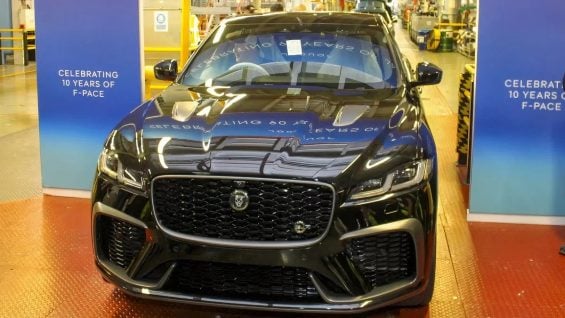
The model chosen to close the assembly lines was an F-Pace SVR 575 Edition, in the color Giola Green. Equipped with a 575 hp 5.0-liter supercharged V8 engine, the SUV symbolizes the pinnacle of the company’s thermal performance. Unlike the usual destination, this unit will not be sold: it was sent directly to the Jaguar Daimler Heritage Trust, where it will be preserved as a museum item alongside classics such as the E-Type.
The choice of the F-Pace for the closing is emblematic. The manufacturer’s first crossover, the model was responsible for sustaining the company’s cash flow during the last decade, financing the current technological transition. To mitigate the commercial impact of the end of production, Jaguar stocked gasoline and hybrid units, ensuring the supply of dealerships until the arrival of the new electric generation.
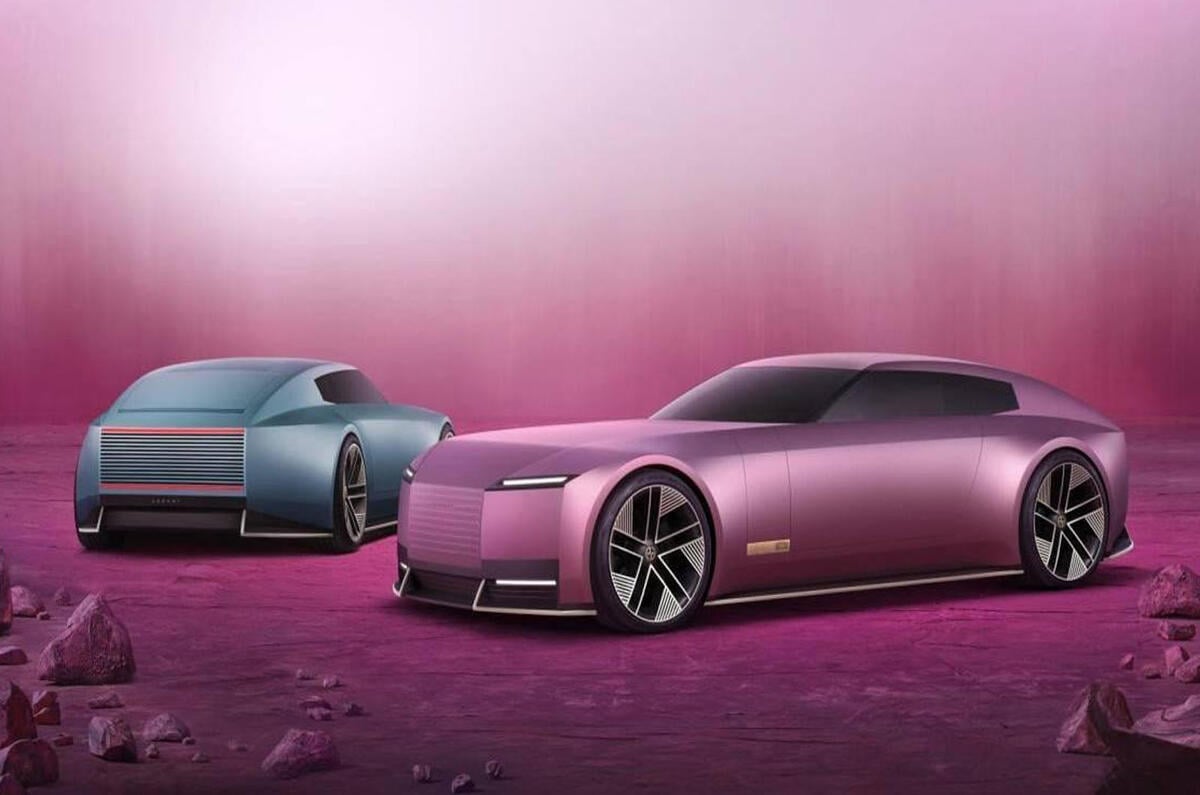
From now on, the focus turns fully to 2026, when the brand intends to launch an unprecedented line of electric vehicles to compete with Bentley and Porsche. The new visual identity, anticipated by the Type 00 concept, proposes a minimalist and disruptive design.
The radical change, however, faces skepticism. The mixed reception to the new logo and the decision to abandon the brand’s visual heritage generated criticism from purists and market analysts. Jaguar’s stakes are high: sacrificing current sales volume in exchange for higher profit margins and exclusivity in the electric future.



