Drip is common on cold days, but persistence of the symptom combined with white smoke may indicate a blown head gasket
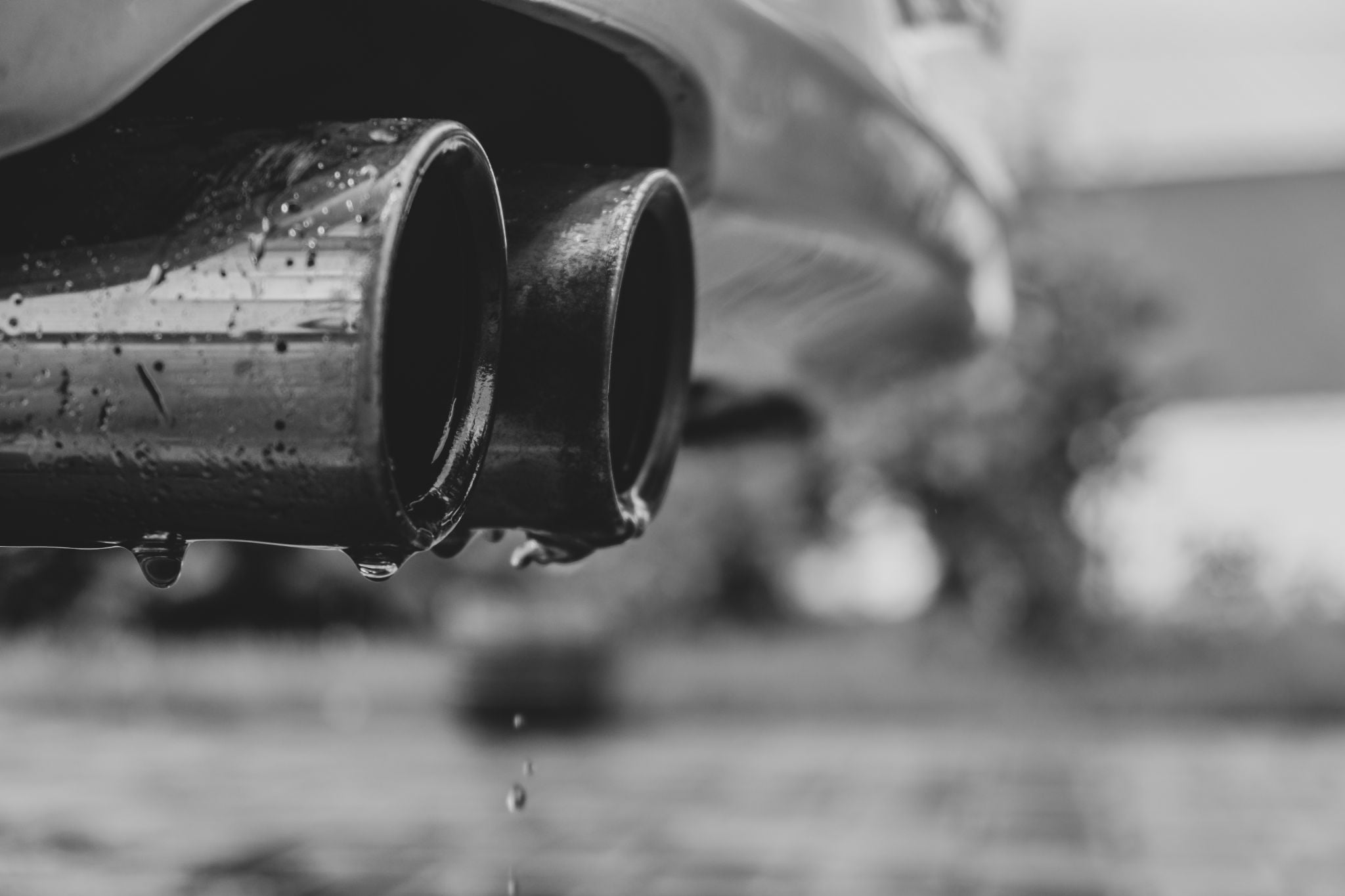
Seeing water dripping through the car’s exhaust is a scene that usually raises the alarm of many drivers, but it does not always indicate an imminent visit to the workshop. Under normal operating conditions, especially on cold days or when starting the vehicle in the morning, the phenomenon is the result of physics: condensation.
The internal combustion process generates natural byproducts, including water vapor and carbon dioxide. When the hot gases from the engine meet the cold exhaust system pipe, this vapor liquefies, generating the droplets visible on the tip. The catalyst, by converting harmful gases, also contributes to this chemical reaction. In such cases, the water should disappear as soon as the system reaches the optimal operating temperature.
SEE ALSO:

The scenario changes, however, when the drip persists even with the engine hot or occurs in excessive volumes. This behavior is the main indication of severe mechanical failures, such as cracks in the block, defects in the EGR valve cooler or the rupture of the cylinder head gasket.
The cylinder head gasket acts as a vital seal between the engine block and the cylinder head, ensuring the sealing of combustion and cooling channels. When this part fails, the coolant invades the combustion chamber and is expelled through the exhaust.
For the driver, the visual diagnosis is clear: in addition to the water, there is the emission of dense and persistent white smoke, often accompanied by a sweet odor characteristic of ethylene glycol (radiator additive). If the water reservoir level drops without visible external leaks, the problem is internal.
Ignoring these symptoms can be fatal to the vehicle. The mixture of water in the oil compromises lubrication, turning the fluid into a milky “sludge”, which leads to overheating and stalling of the engine. The loss is high: replacing the gasket, in addition to additional repairs, can cost more than R$ 15,000, while a new engine exceeds R$ 50,000.



