Iranian forces have classified companies such as Tesla, Apple and Microsoft as "legitimate targets" for alleged collaboration in intelligence operations
Iran’s Islamic Revolutionary Guard Corps has raised the tone of geopolitical tensions in the Middle East by directly threatening giant U.S. technology companies. In an official statement, the military organization said that companies accused of collaborating with American military intelligence and logistics operations could become targets of direct retaliation.
The list of companies classified as “legitimate targets” by the Iranian regime includes names such as Tesla, Microsoft, Apple, Google, Meta, Intel, IBM, Nvidia and aircraft manufacturer Boeing. According to the IRGC, the attack would be a response to the death of Iranian military leaders in recent clashes in the region, intensifying the rhetoric of war against American civilian assets.
SEE ALSO:
Reports released by the US portal The Hill indicate that security officials have already directed the immediate withdrawal of employees of these companies from critical facilities located in the Middle East. The alert extends to civilians who live or work in areas close to data centers and offices of these corporations, with the recommendation to seek safe shelters in the face of imminent attacks.
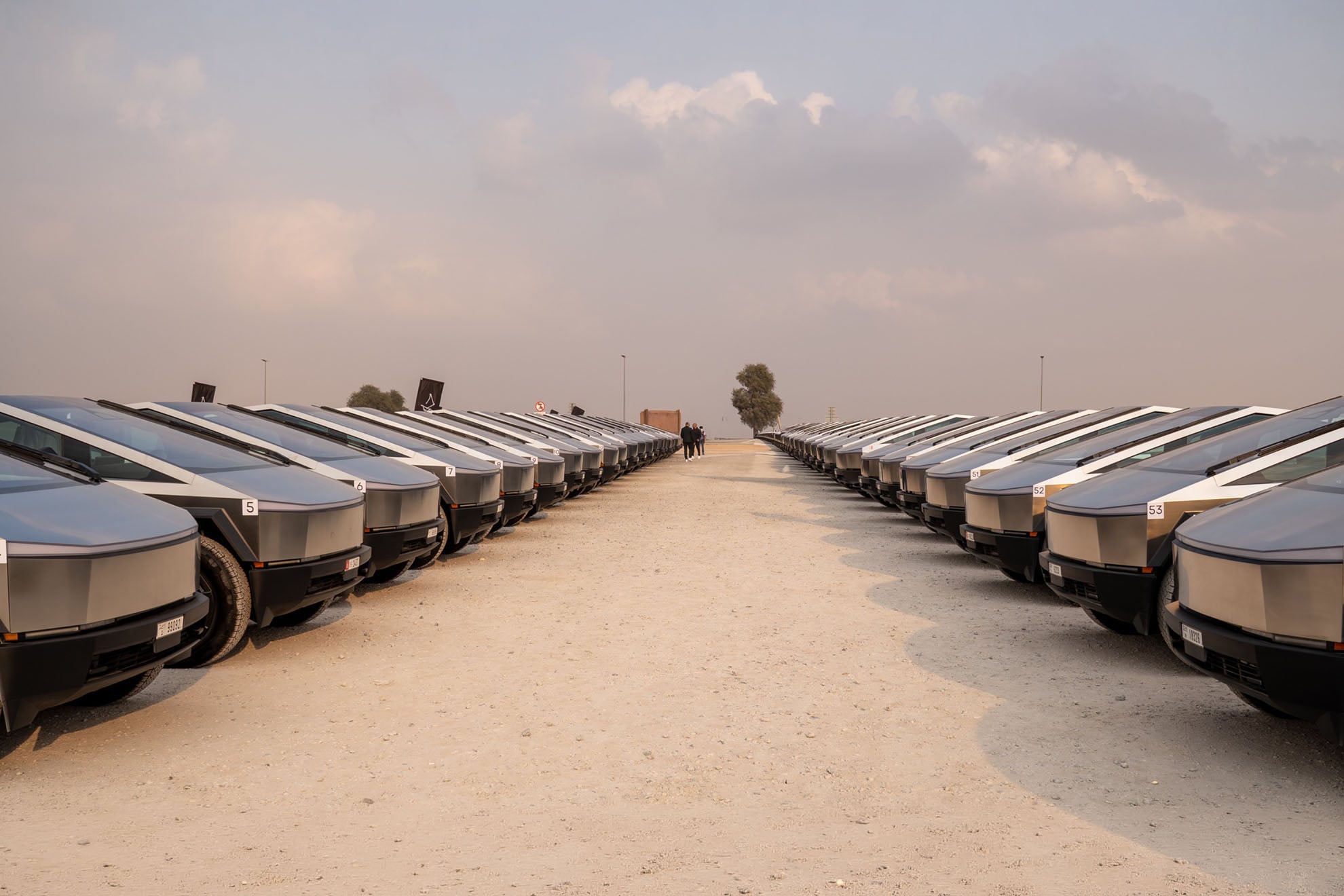
In the automotive sector, the threat falls specifically on Tesla. Although it maintains its headquarters in the US, Elon Musk’s automaker has been expanding its charging infrastructure and distribution centers in strategic markets such as the United Arab Emirates, Saudi Arabia and Qatar. The inclusion of the brand on the list reflects the Iranian perception that connectivity technologies and satellites linked to the company’s ecosystem have dual military use.
International analysts warn that carrying out offensives against civilian corporate infrastructure would represent a breach of protocol in modern conflicts, with the potential to trigger massive counterattacks by Washington. The crisis puts the security of global business operations in check and may impact the supply of essential technological components.



