Phantom Arabesque, ordered by Dubai customer, required five years of development to apply technological art technique to the bodywork
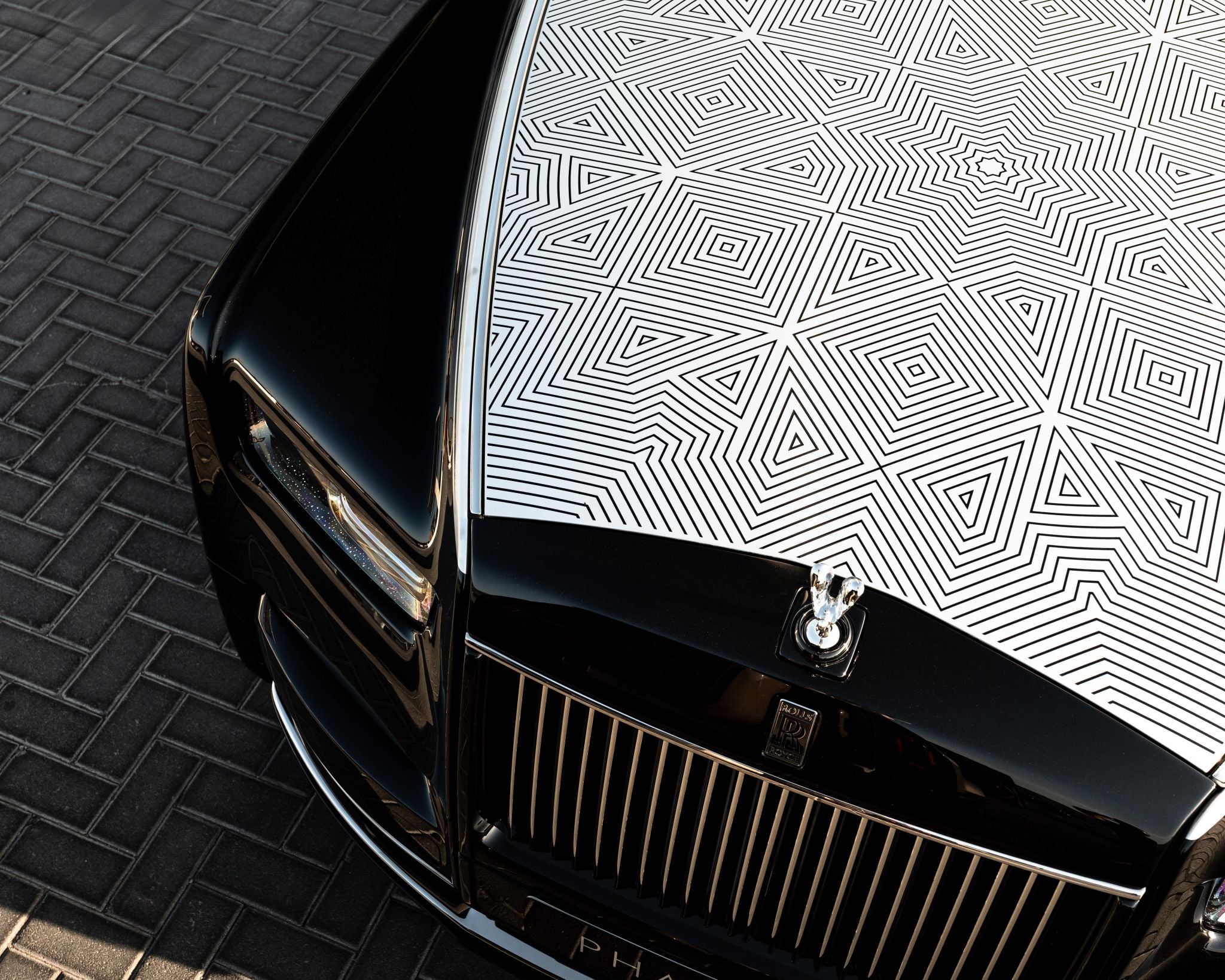
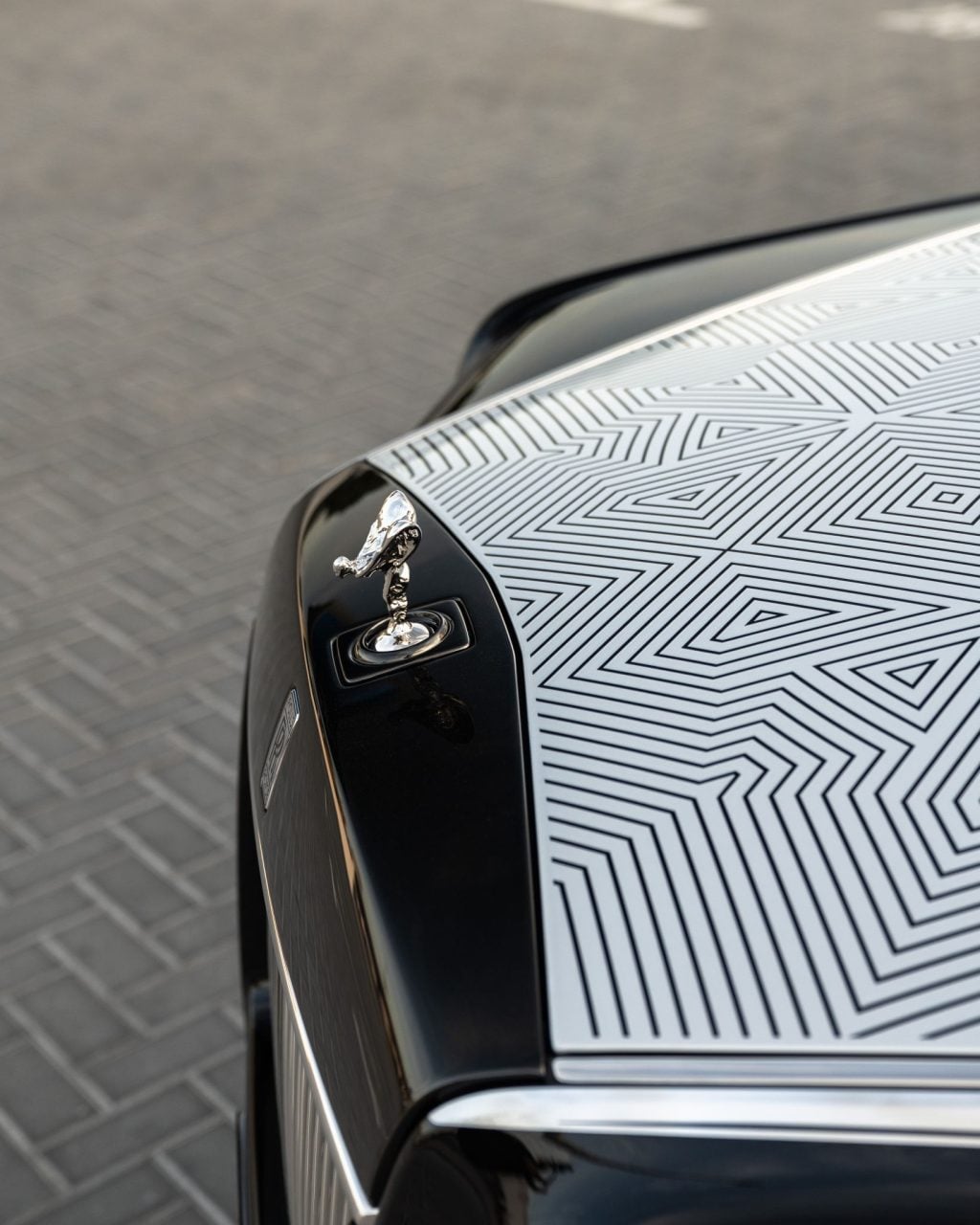
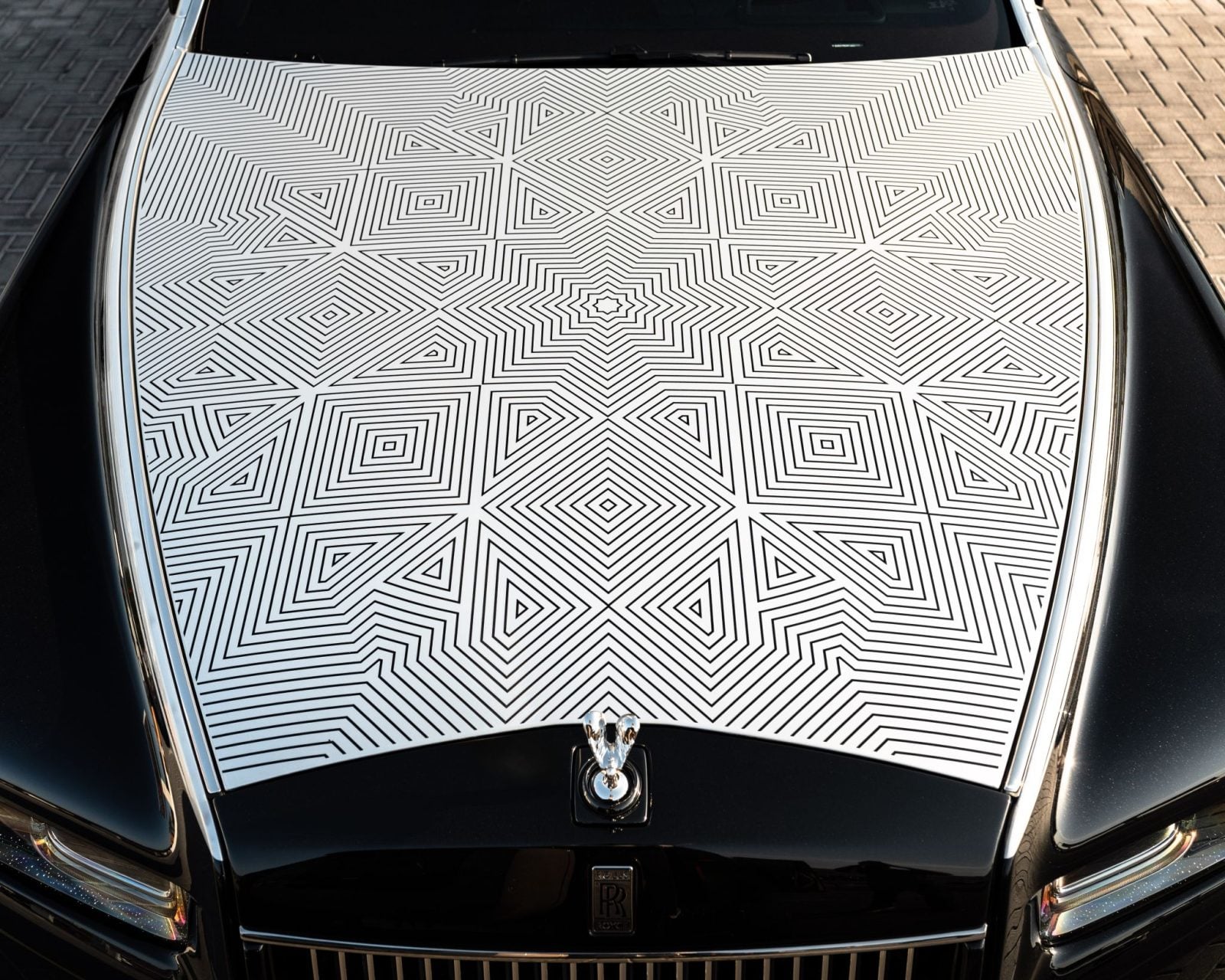
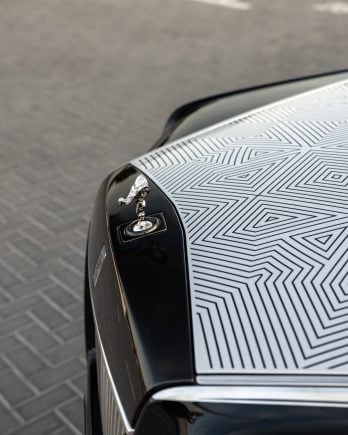
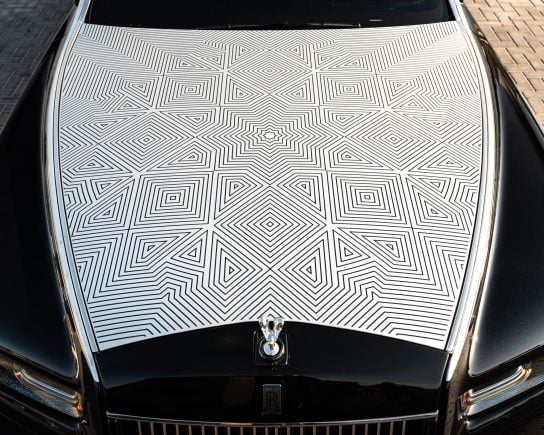
Rolls-Royce has unveiled the Phantom Arabesque, a one-of-a-kind model commissioned by the brand’s private office in Dubai, which marks a technical precedent in the luxury industry. The vehicle pays homage to the architectural heritage of the Middle East by introducing a global innovation: it is the first car in the world to feature a hood with laser engraving directly on the paint. The project required five years of development by the British manufacturer’s Exterior Surfaces Center to enable craftsmanship on metal without compromising the integrity of the bodywork.
SEE ALSO:
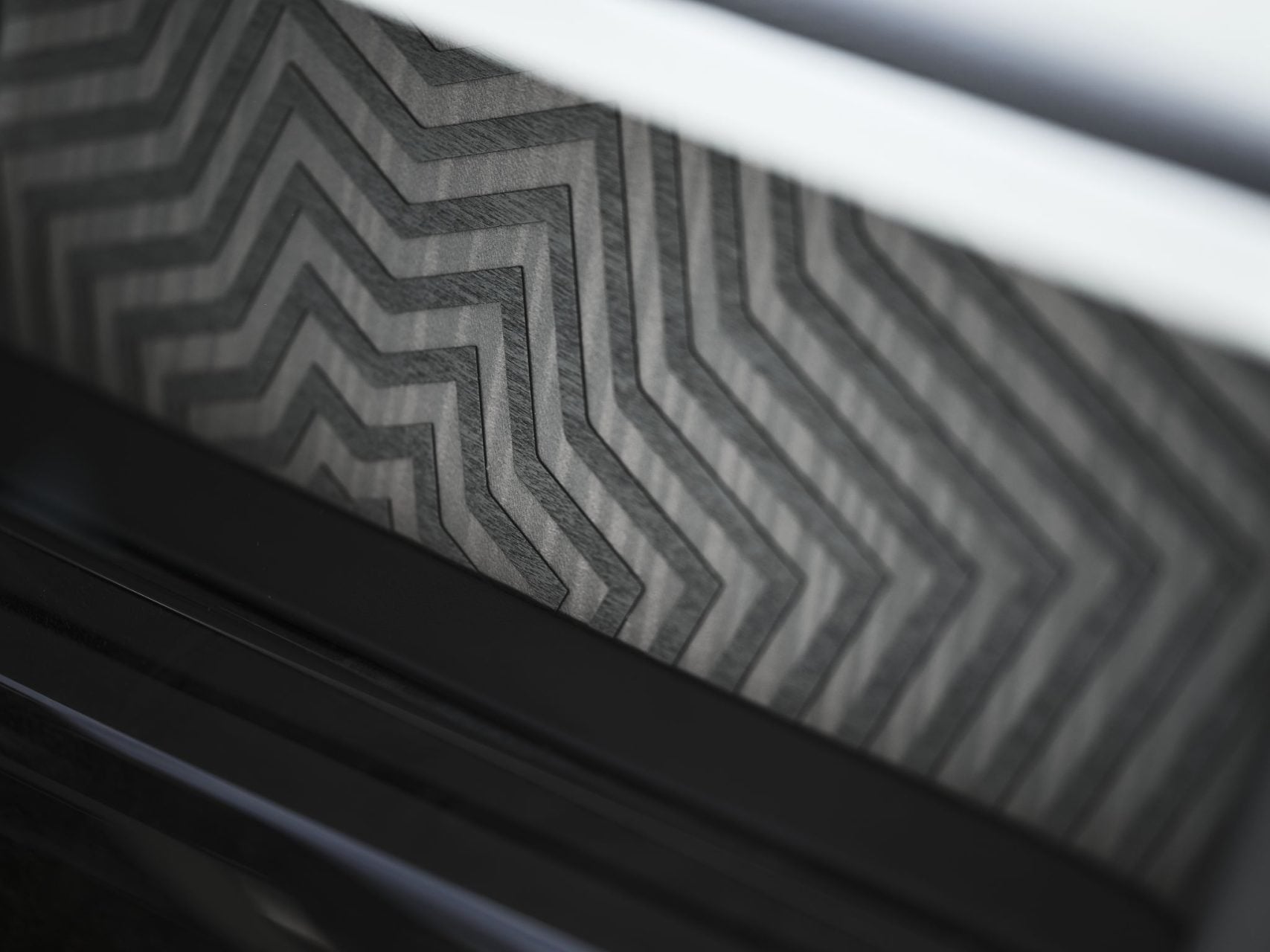
The complexity of the project lies in the adaptation of the classical art technique known as sgraffito — historically used in ceramics and architecture — which consists of removing surface layers to reveal contrasting colors. On the Phantom, the process is surgical: on a two-tone paint in shades of black, a thick layer of varnish formulated specifically for this purpose is applied.
Then, a high-precision laser selectively removes the varnish and some of the paint to create a three-dimensional geometric pattern. The technical challenge was to calibrate the laser to reach the exact depth without burning the adjacent paint. The result is a tactile relief that is then manually polished to ensure visual uniformity and protection from the elements.
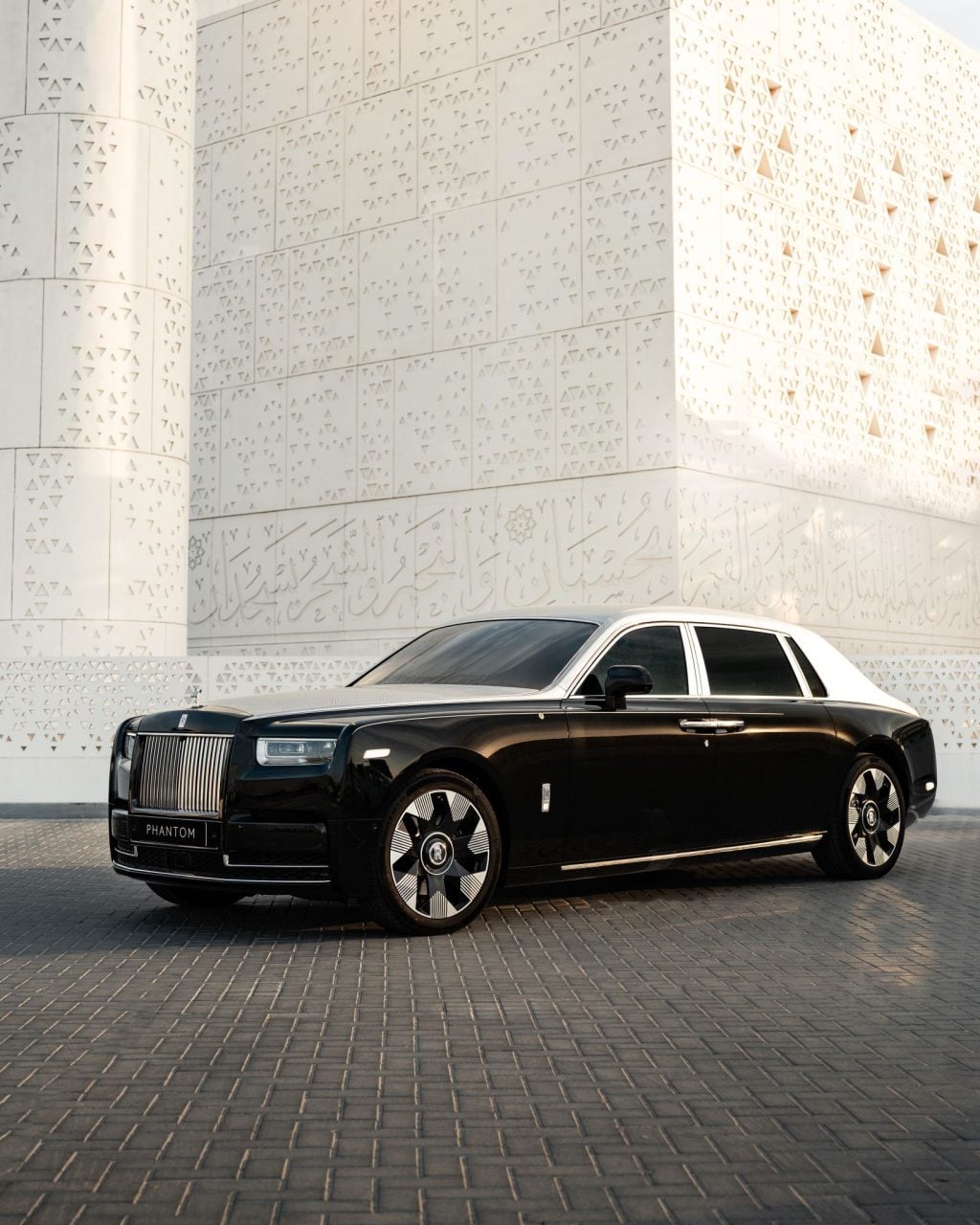
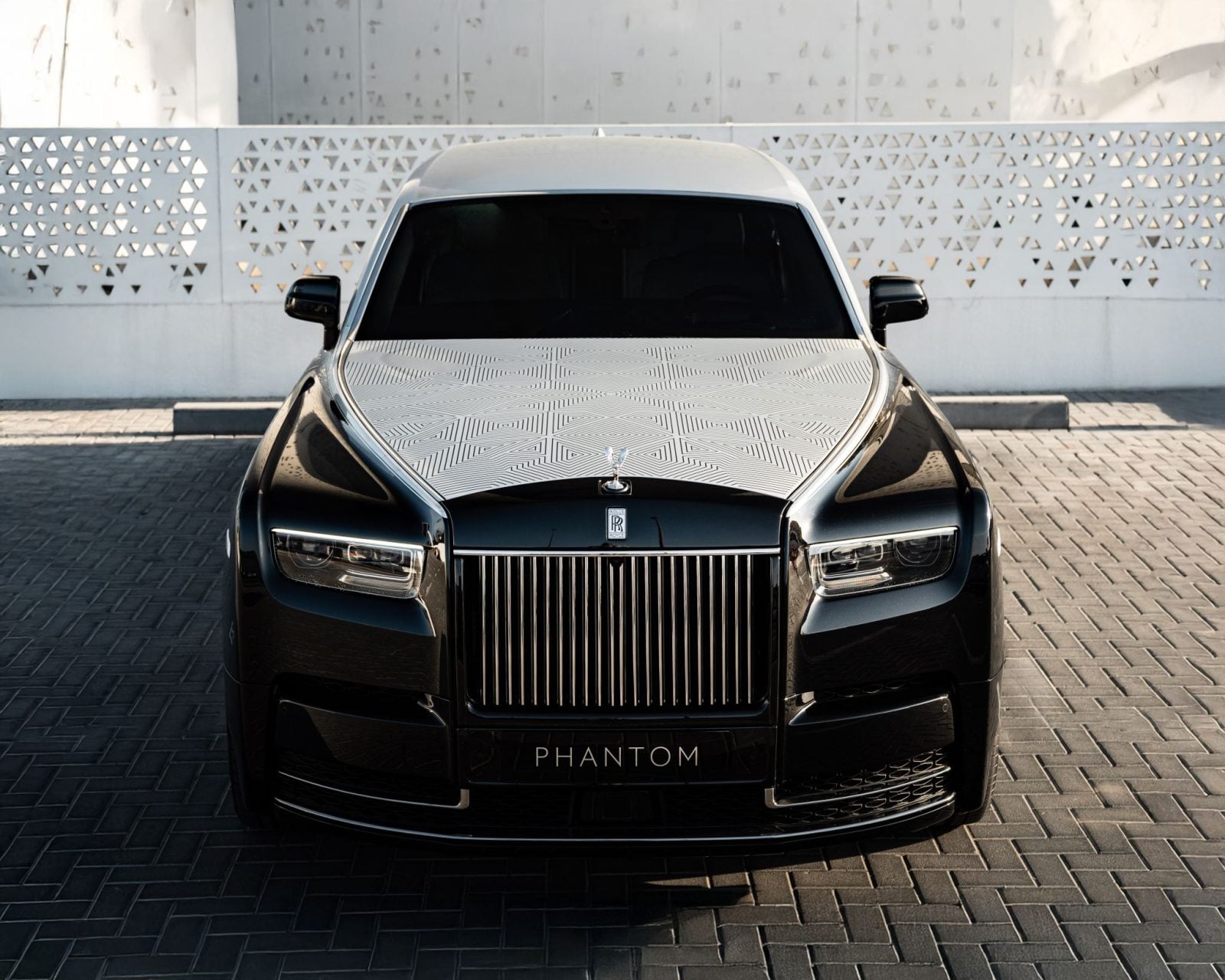
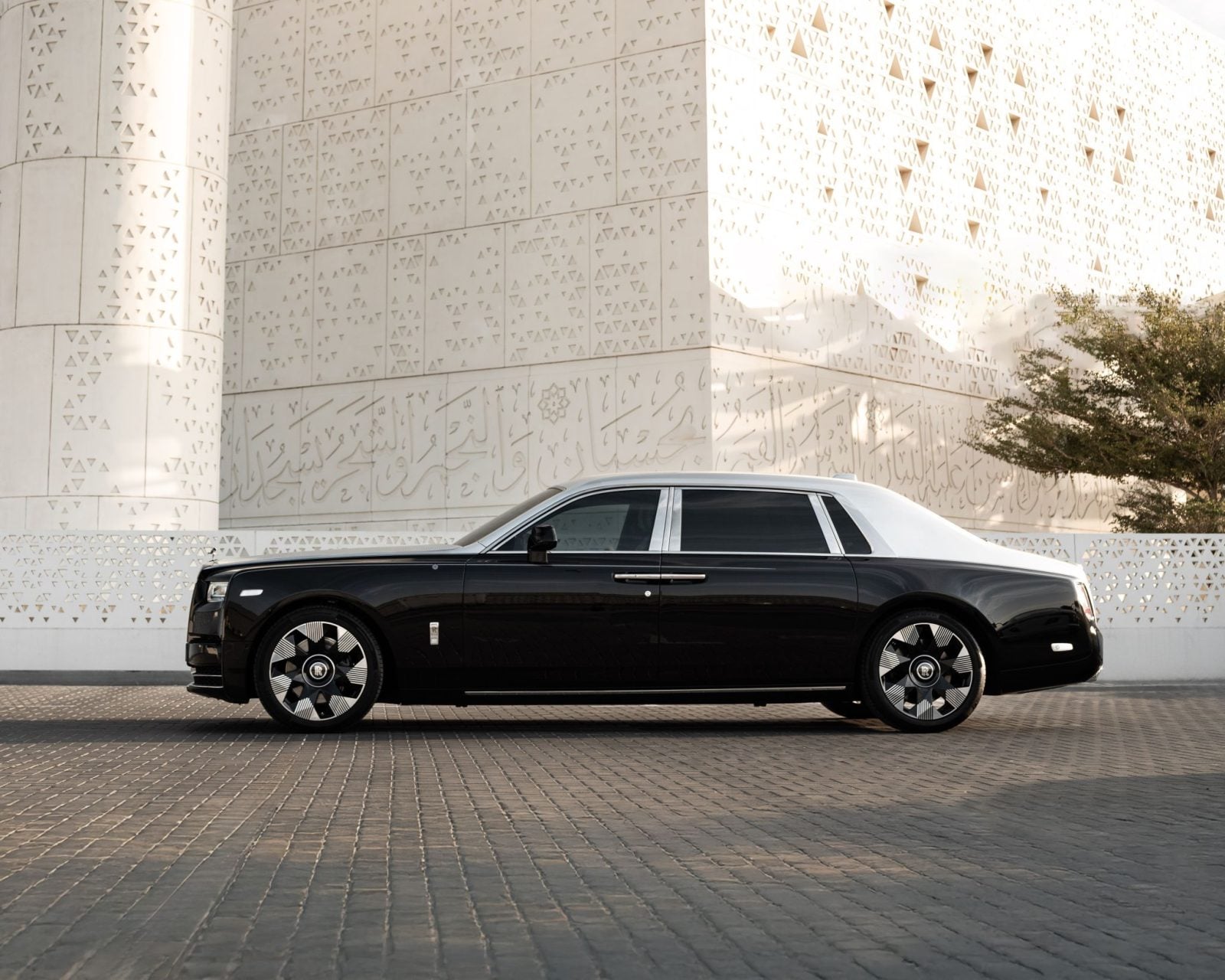
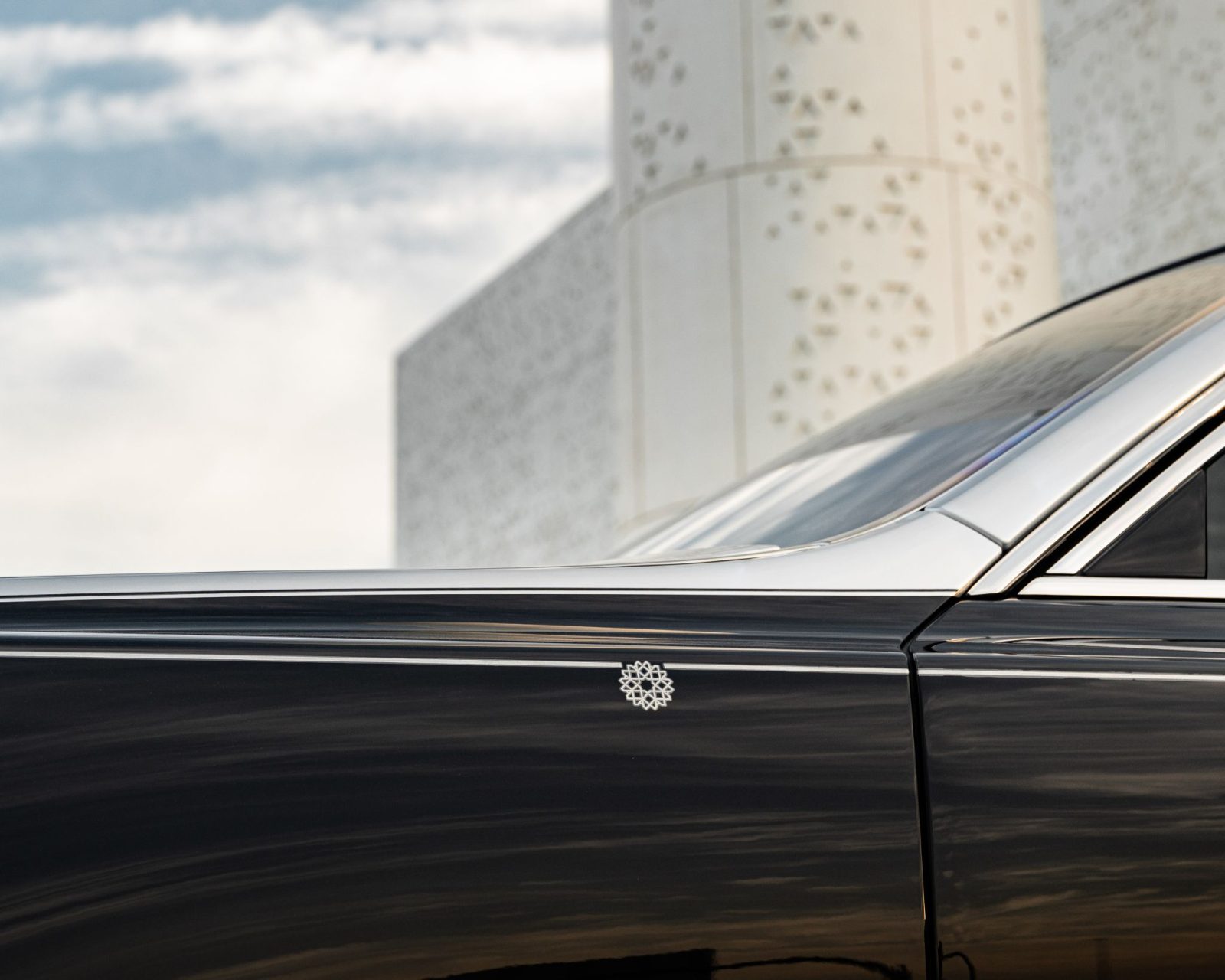
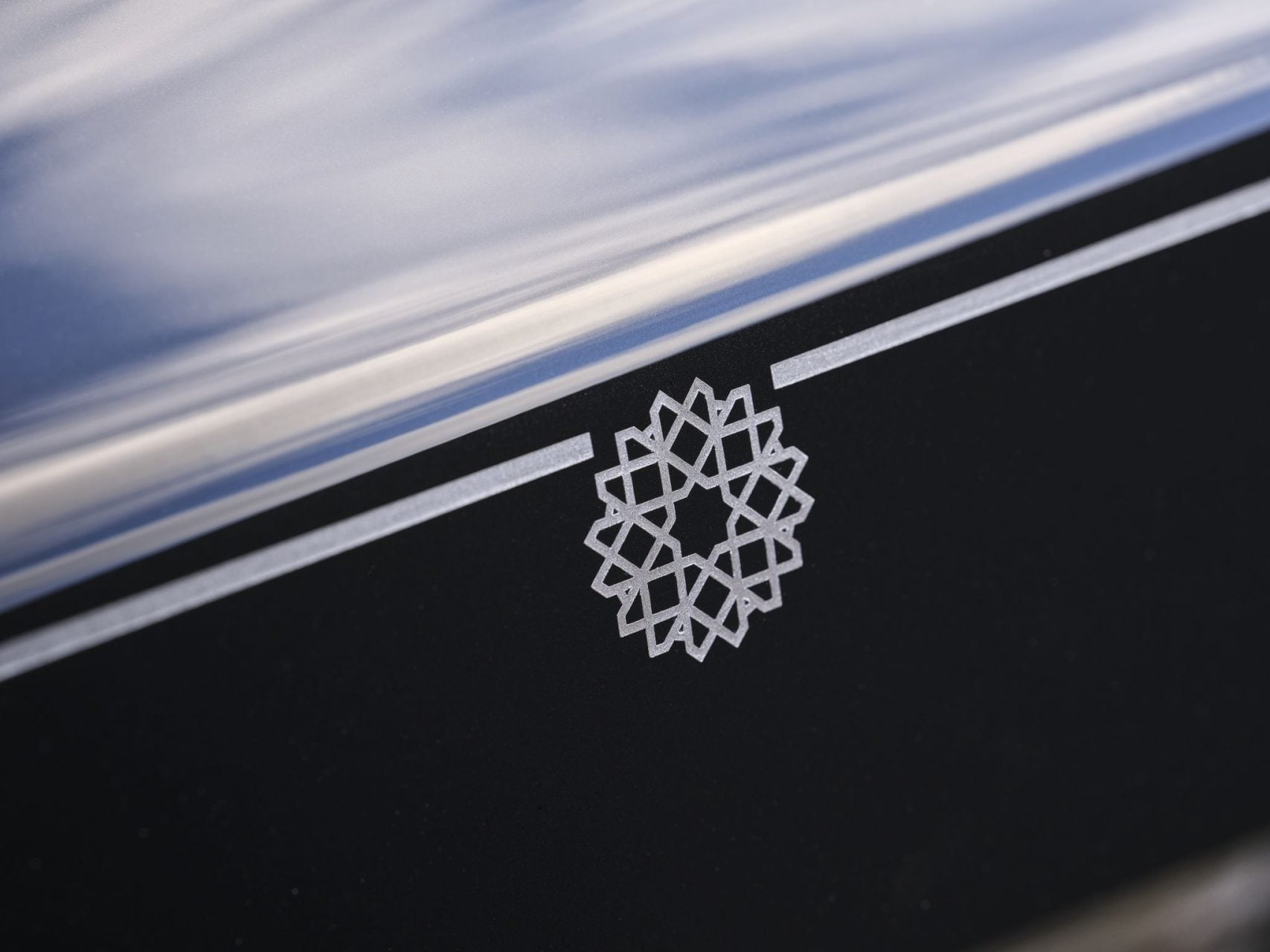
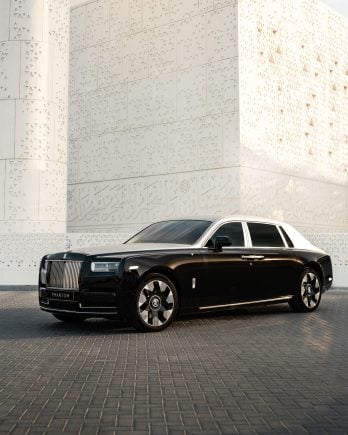
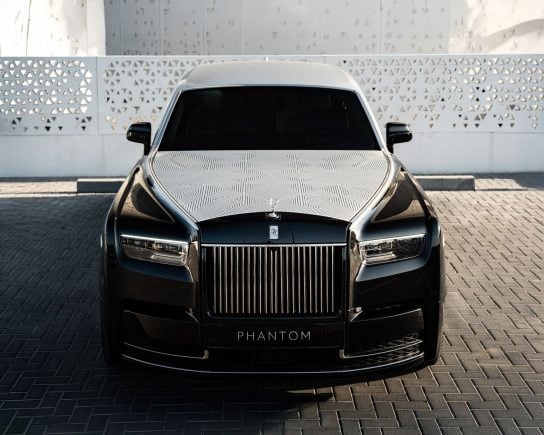
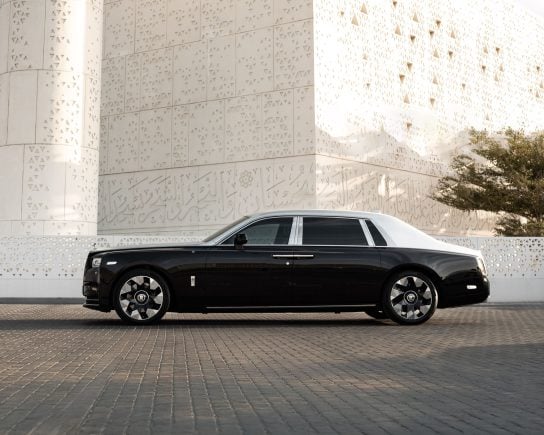
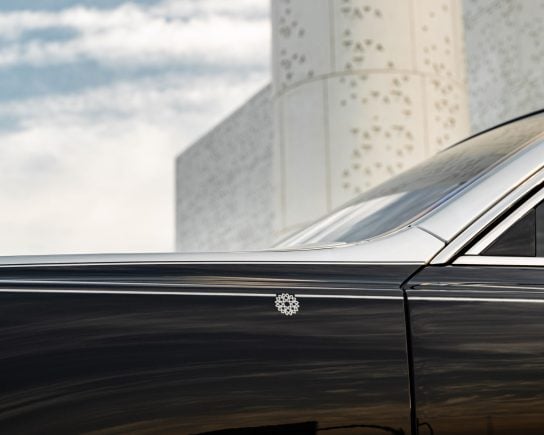
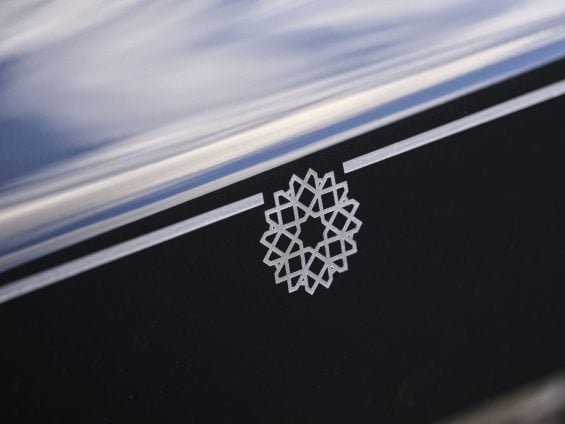
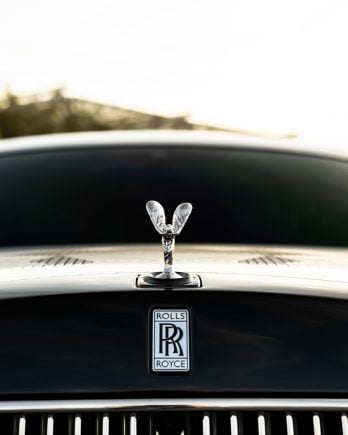
The engraved design refers directly to the mashrabiya, the traditional wooden trusses that adorn windows and balconies in Arabic architecture. Historically, these structures have served to cool environments and ensure privacy — allowing you to see the outside without being seen.
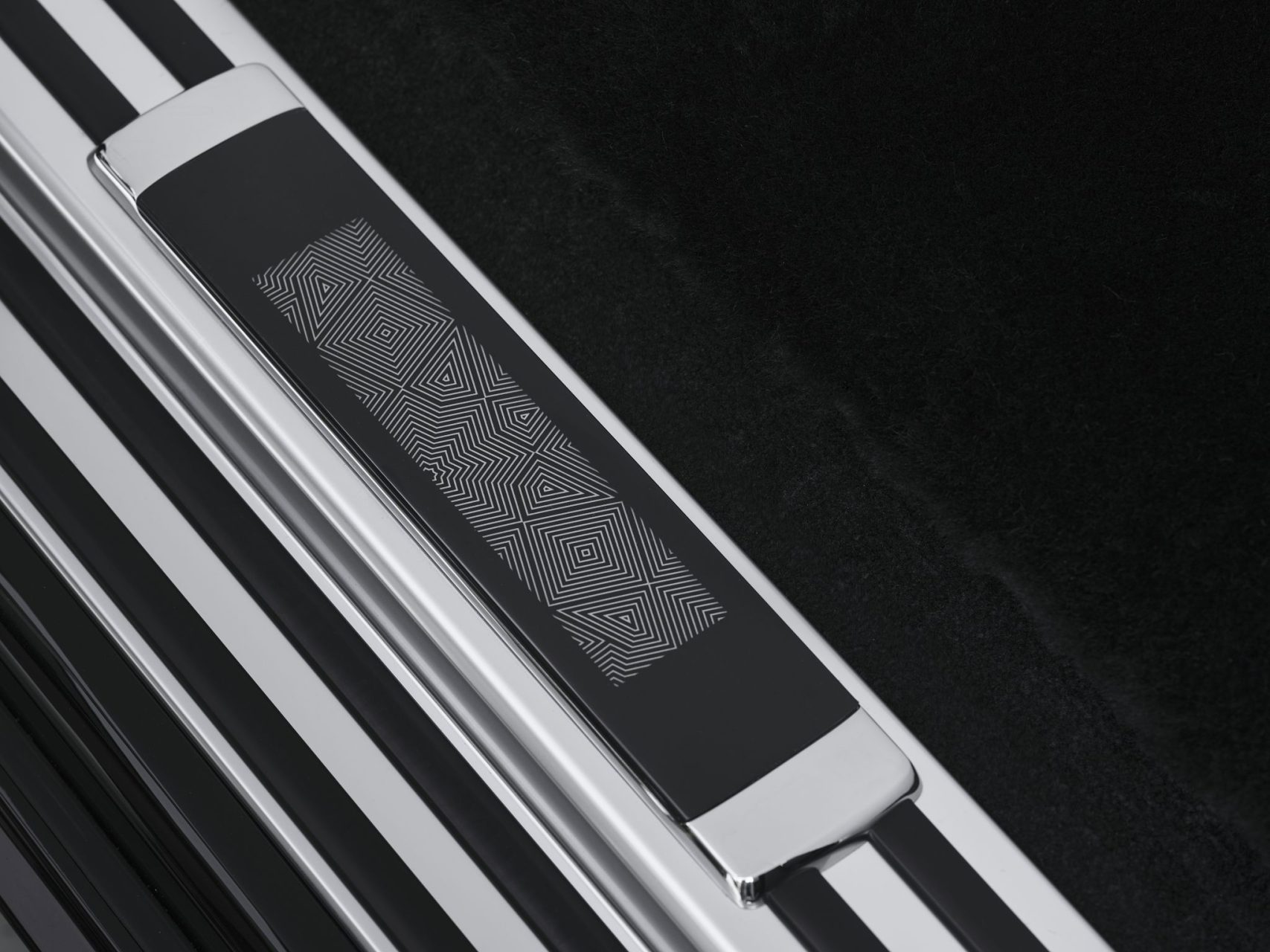
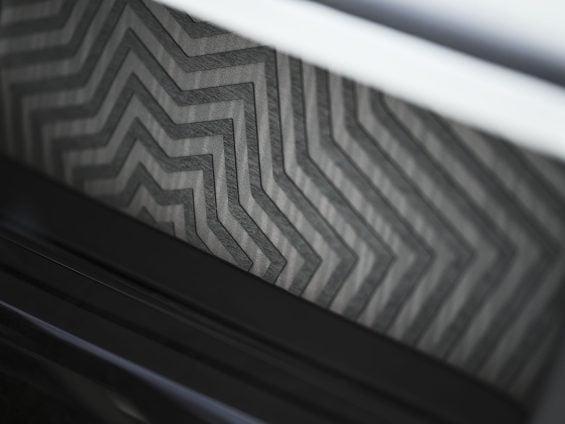
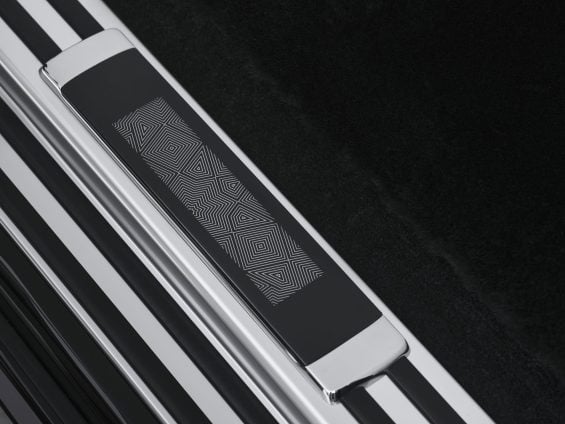
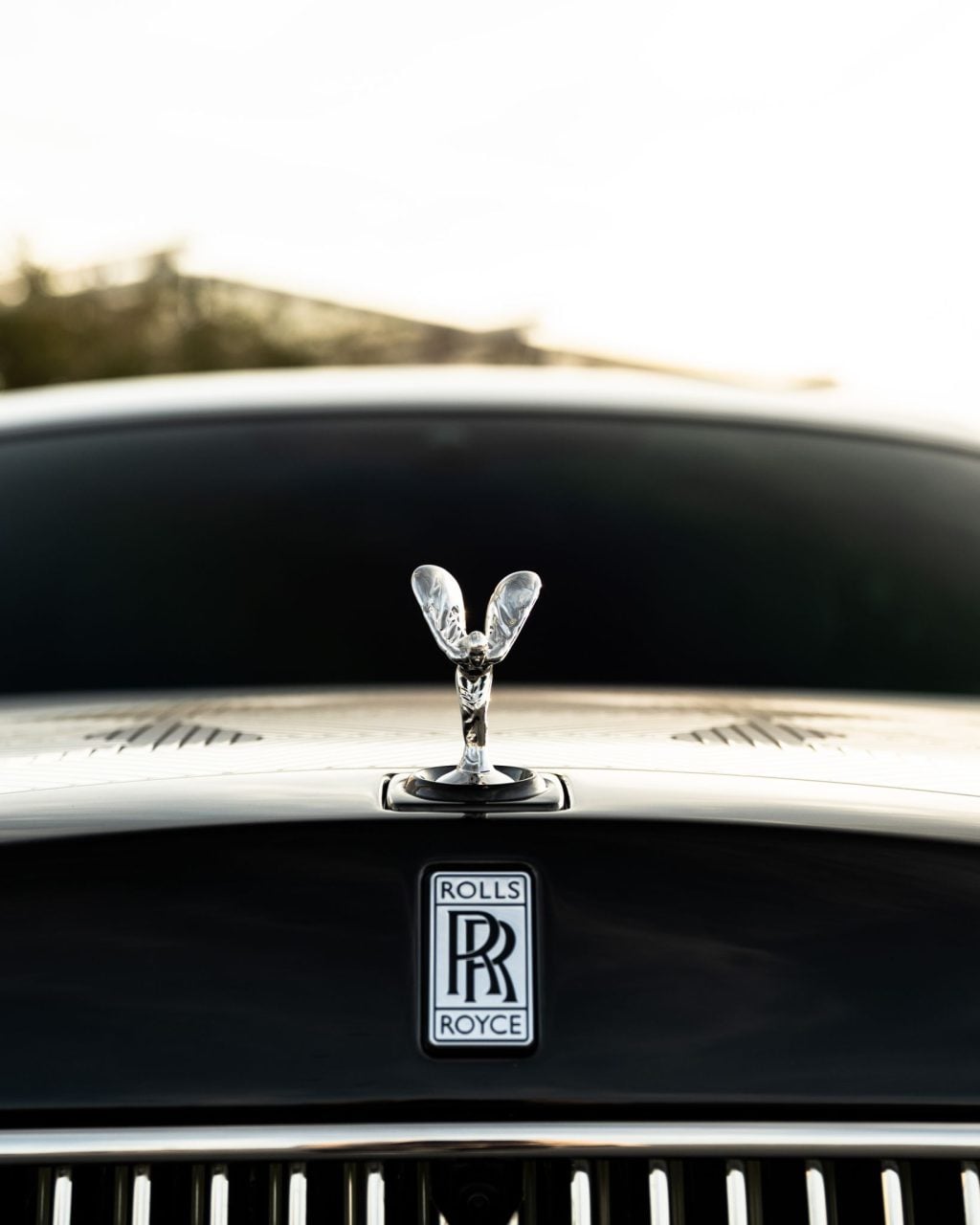
Rolls-Royce has replicated this philosophy of “functional art” in the interior: the geometric pattern is repeated in the marquetry of the dashboard, in the embroidery of the headrests and even in the famous stellar roof of the brand. The Bespoke model (custom-made) also has a hand-painted waistline with the Arabic motif and the illuminated Spirit of Ecstasy statuette, consolidating the vehicle not only as a means of transport, but as a collector’s piece.